
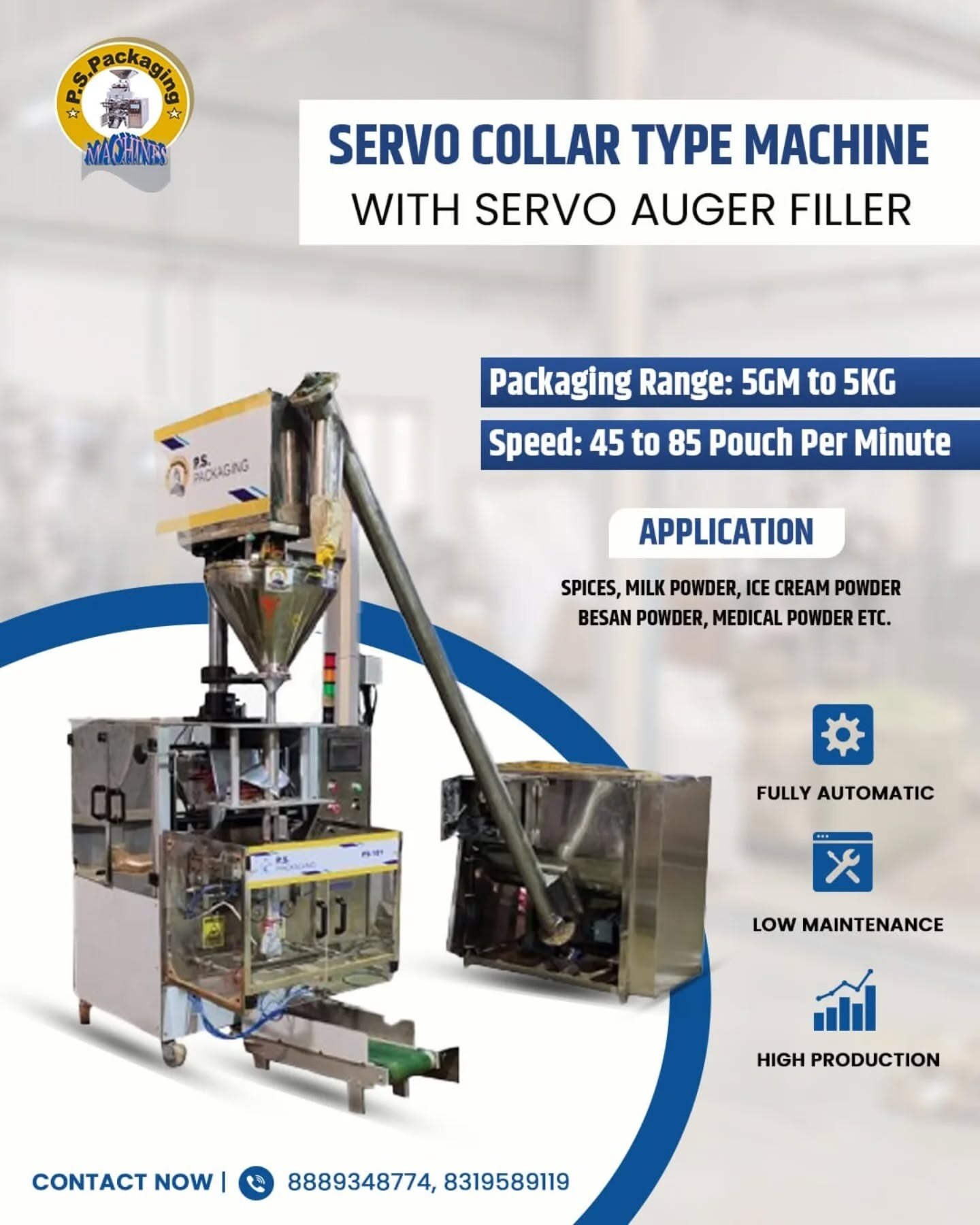
A pouch line must match the product’s viscosity, particles, powder flow, film structure, cleaning method and required net weight—not just a supplier’s speed claim. By the end, you will be able to define the right filling and sealing workflow, specify acceptance tests, and compare Indore suppliers using your actual dairy or cosmetic product.
Key takeaways
- Confirm roll-film or premade-pouch operation before comparing machines.
- Match auger, pump, or multihead dosing to your product’s texture and viscosity.
- Measure usable output after changeovers, rejects, cleaning, and refill time.
- Run your own dairy or cosmetic product during a supplier trial.
Start with the pouch workflow and film specification
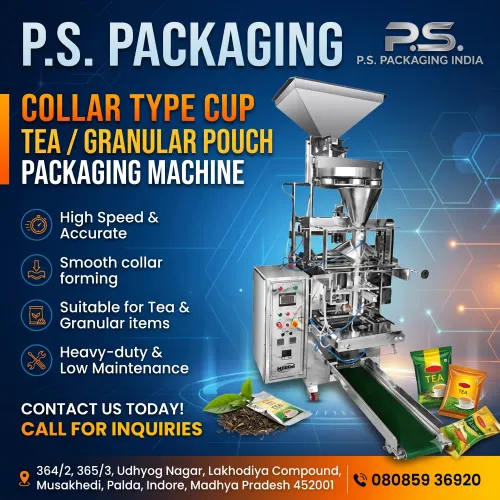
A pouch machine either forms and seals pouches from roll film, fills premade pouches, or fills containers only. Confirm the workflow before comparing speed: a container filler cannot create a pouch, and a premade-pouch machine needs purchased bags with compatible dimensions and opening geometry.
| Workflow | What the machine does | What you must confirm |
|---|---|---|
| Form-fill-seal | Draws web film, forms the pouch, doses the product, then heat-seals it | Film structure, web width, pouch dimensions, sealing temperature and seal-jaw format |
| Premade-pouch filling | Opens supplied pouches, fills them and seals or closes them | Pouch material, zipper or spout design, opening size and pouch handling method |
| Container filling | Doses into bottles, cups or jars | This is not pouch packing; verify container indexing and closure equipment |
For an automatic pouch packing machine in indore for dairy and cosmetics, specify the film rather than accepting “heat-sealable film.” State whether the product uses polyethylene, polypropylene, a laminated structure or a foil laminate, then obtain the approved thickness range, maximum web width and sealing-temperature range.
Film stiffness, slip, coating and laminate layers affect tracking, seal strength and leakage.
- Pouch length and width, fill range and target weight
- Film thickness, web width and sealing temperature
- Seal-leak results, code space and readable batch and date marks
- Output in pouches per minute under the stated pouch size, fill volume and product conditions
A small milk pouch made on roll film does not prove performance with viscous lotion or a premade cosmetic pouch.
Match the dosing mechanism to the dairy or cosmetic product
Plain milk needs a hygienic volumetric or servo-piston filler, not a multihead weigher. The correct mechanism depends on viscosity, foaming, temperature, particles and trapped air; a filler calibrated for milk can produce poor weights and messy seals on curd or cream.
| Product | Recommended dosing mechanism | Consistency risk to test |
|---|---|---|
| Milk | Volumetric or servo-piston filler | Foaming and temperature changes can alter fill volume |
| Curd | Piston filler with wide, gentle product path | Shearing can damage texture; fruit pieces can block narrow nozzles |
| Lassi or flavoured milk | Piston or flowmeter filler with anti-drip nozzle | Foam and spice or fruit particles can cause underfill |
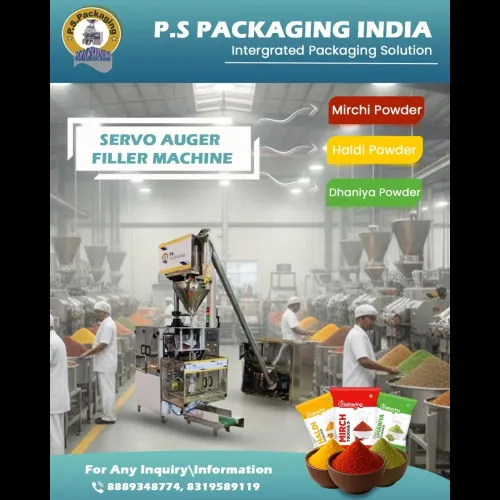
| Dairy powders | Auger filler with agitator | Bridging, dust and uneven bulk density affect weight |
| Creams | Servo-piston, lobe-pump or gear-pump filler | Air retention and stringing can leave variable fills and dirty seals |
| Gels | Servo-piston or lobe-pump filler with shutoff nozzle | High viscosity can create tails unless the nozzle cuts cleanly |
| Lotions | Gear-pump, lobe-pump or piston filler | Fragrance, oil and surfactants must not attack seals or hoses |
For powders, specify the auger diameter, hopper agitation and target weight range. For liquids, ask for a trial using your actual product at its filling temperature, including the longest planned run.
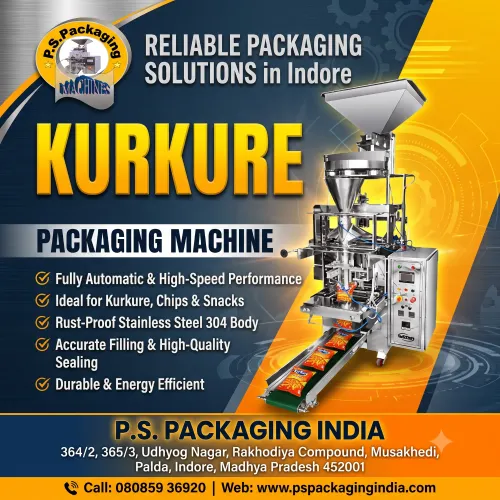
A dairy pouch packing machine india specification is incomplete if it says only “multihead.” Ask for the number of heads, individual-head volume, accuracy at your dose, and the separate VFFS or pouch-sealing arrangement. Multihead weighers suit free-flowing solids, not milk, lotion or gel.
Specify hygienic construction and changeover controls
A stainless-steel outer body does not make a pouch machine hygienic. Crevices, rough welds, hollow frames, trapped product and inaccessible valves can leave milk or cream behind, allowing contamination during the next batch.
Specify a product-contact path built from food-grade stainless steel, preferably 316L where the product and cleaning chemicals demand it. Ask for polished, sanitary welds; drainable, dead-leg-free piping where practical; hygienic gaskets; and no exposed threaded connections inside the product zone.
- Use removable or clean-in-place filling parts with visible access to the hopper, pump, valves, hoses and nozzles.
- Provide positive drainage so rinse water and milk residue cannot collect in low points.
- Protect electrical cabinets, sensors and drives with an enclosure rating suitable for the planned washdown method.
- Keep nozzles, guides and seal jaws positioned so product cannot splash into the longitudinal or transverse seal area.
- Require anti-drip or suck-back control for milk, lassi, creams and gels.
- Record cleaning chemicals, temperatures, contact times and inspection results, then validate the cleaning procedure.
A cosmetic packaging machine supplier must also test compatibility between the formula, elastomers, hoses, pump parts, coatings and film’s inner layer. Fragrances, alcohols, essential oils, surfactants, pigments and abrasive powders can swell seals, embrittle hoses or accelerate wear.
Use recipe-controlled changeover, tool-free dismantling, line-clearance checks and separate utensils for dairy, fragrance and pigmented products. Reserve space for batch number, date and net-quantity coding under FSSAI, Cosmetics Rules, 2020 and Legal Metrology requirements.
Turn speed claims into measurable production requirements
A quoted “120 pouches per minute” means little without the pouch dimensions, product, film, fill weight and operator conditions behind it. Record those variables in the purchase specification, then test the complete line rather than approving a headline speed.
1. Define the pouch: state width, length, gusset, material, film thickness and roll or premade-pouch format. Include the smallest and largest pouch, plus the minimum and maximum fill weight.
2. Define dosing performance: specify target weight, permitted deviation, minimum batch weight and maximum batch weight. For a multi head packing machine supplier in indore, ask for the number of heads, each head’s volume range and the separate VFFS, premade-pouch or sealing system.
3. Define real output: require a sustained pouches-per-minute figure using your product, actual film and largest pouch. Record startup waste, rejected pouches, cleaning interruptions and recovery time after film or product stoppage.
4. Define sealing performance: approve the required seal width, temperature range, dwell time and pressure, then test seal integrity with a documented leak or burst method. Check seals after cooling, not only as they leave the jaws.
5. Define compliance and coding: reserve space for batch number, manufacturing or packing date, expiry date and net quantity. Check FSSAI requirements for dairy, the Cosmetics Rules, 2020, and the Legal Metrology (Packaged Commodities) Rules, 2011 before signing.
Make acceptance depend on fill-weight results, reject rate, seal-leak results, code readability and changeover time from an actual product trial. A substitute product proves very little.
Use a product trial to choose an Indore machine supplier
Do not approve a machine after watching a five-minute run with water or an empty pouch. Ask an automatic packaging machine manufacturer in Indore to run your actual dairy or cosmetic product in your actual film, then issue a signed trial report with the operating settings and results.
Request these records:
- Mean, minimum and maximum fill weight, standard deviation, and rejected-pouch percentage
- Sustained pouches-per-minute output, startup waste, and recovery time after film or product interruption
- Seal-leak test results, seal temperature, dwell time, pressure, and photographs of seal surfaces
- Changeover duration, cleaning steps, and inspection of product-contact parts
- Code readability for batch number, manufacturing date, expiry date and net quantity
- Compatibility confirmation for hoses, elastomers, pump parts, hopper coatings and film inner layers
Ask PS PACKAGING to identify the dosing principle, head count or filler volume, and separate pouch-forming or sealing equipment used in the trial. “Multihead” alone is not a specification.
| Evidence | Acceptable proof | Warning sign |
|---|---|---|
| Actual product | Your product, viscosity, temperature and solids | Water or substitute material |
| Actual film | Your film structure, width and thickness | Supplier-stock film only |
| Sealing | Leak results after contamination challenge and normal running | Heater temperature alone |
| Compliance | Coding space checked against FSSAI, Cosmetics Rules, 2020 and Legal Metrology (Packaged Commodities) Rules, 2011 | Coding treated as an add-on |
Related products
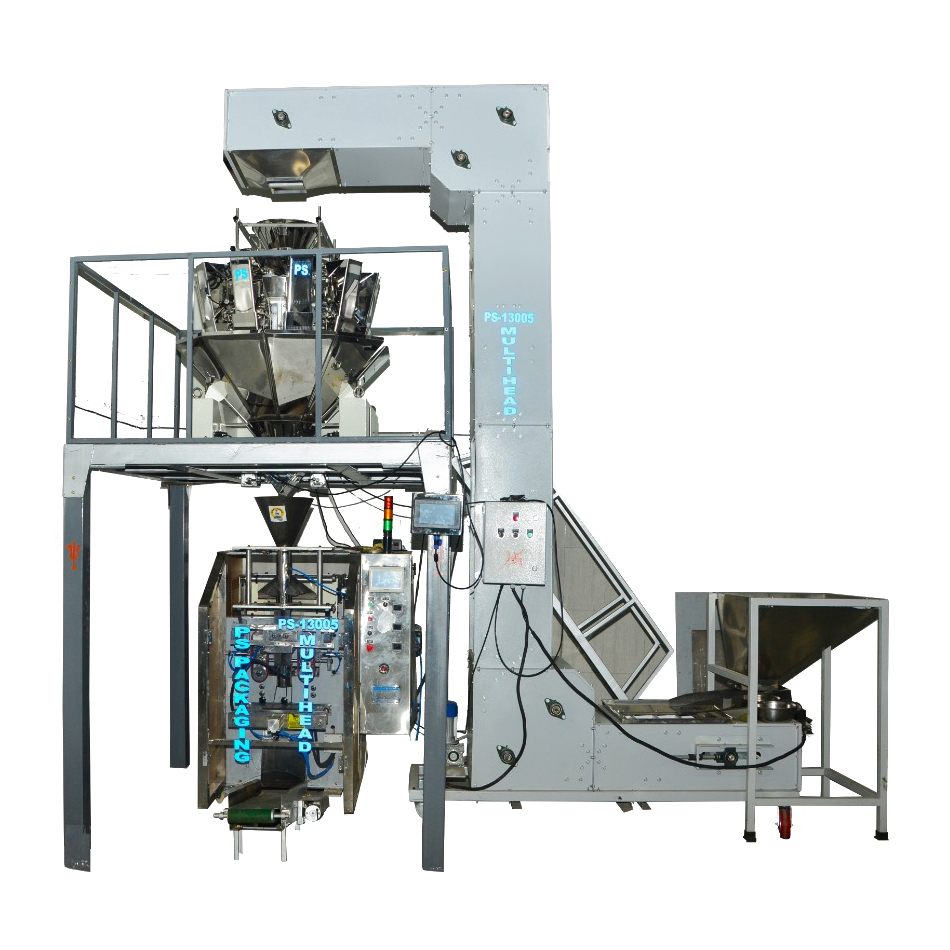 | Multihead Head Packing Machine Multihead Packing Machine The Multihead Packing Machine is a fully automatic, high-speed packaging solution designed for precise weighing, filling,... View product → |
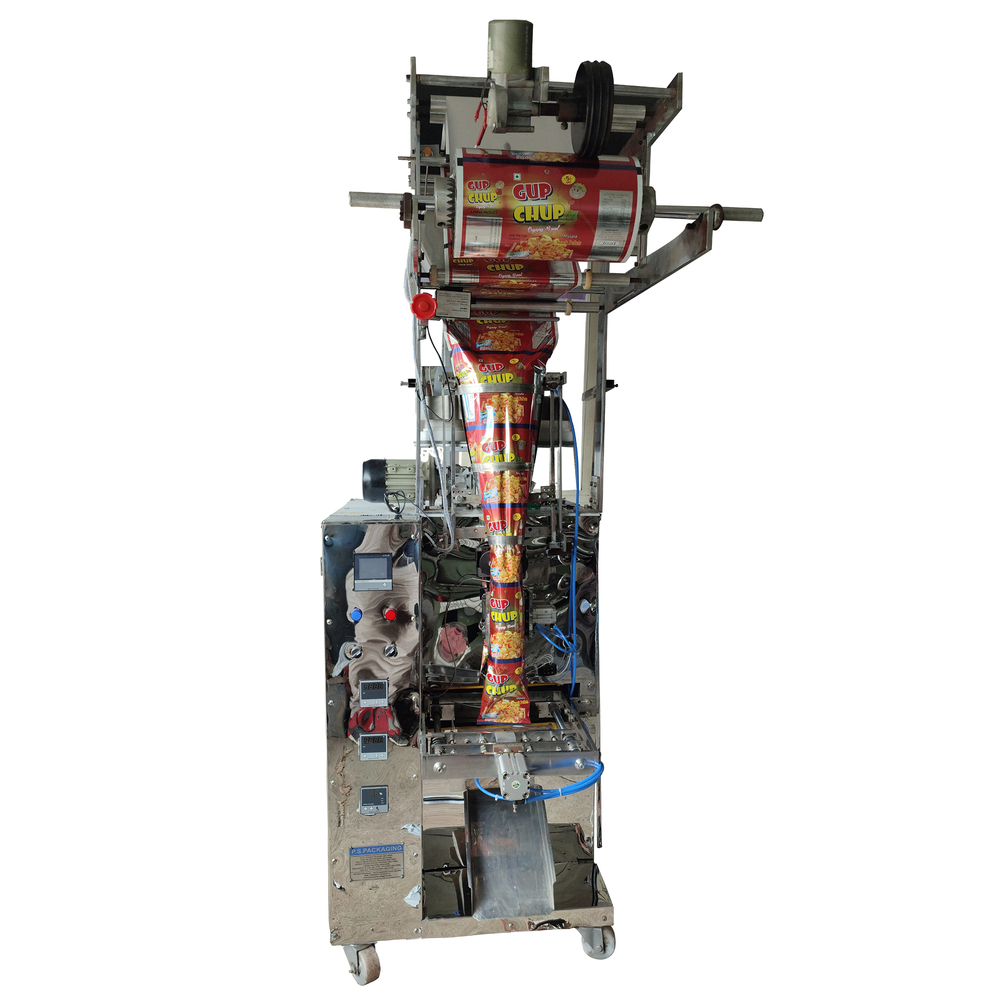 | Industrial Packaging Machine Pneumatic Cup Filler Packing Machine Manufacturer & Supplier in Indore | Patna | Nagpur -PS Packaging The Pnematic Cup Filler Packing Machine from PS Packaging, Indore, Madhya Pradesh is... View product → |
Frequently asked questions
What should you confirm before comparing automatic pouch machines?
Confirm whether the machine forms pouches from roll film or fills premade pouches. Then specify pouch width, length, seal pattern, film structure, thickness, and product fill range.
Which dosing system suits dairy and cosmetic products?
Use a liquid pump for milk, shampoo, or lotion; an auger for powders; and a multihead weigher for free-flowing solids. Test thick, foamy, sticky, or particulate products before selection.
What hygienic features should a dairy or cosmetic pouch machine have?
Specify stainless-steel product-contact parts, cleanable product paths, accessible sealing jaws, drainable surfaces, guards, and documented cleaning and changeover procedures.
How should you evaluate a machine’s speed claim?
Convert cycles per minute into saleable pouches per hour after accounting for fill accuracy, film changes, product refills, cleaning, stoppages, and rejected seals.
What should you test during a supplier trial in Indore?
Run your product and film at the intended fill weight and pouch size. Record output, weight variation, seal integrity, rejects, changeover time, cleaning effort, and operator steps.
Related products
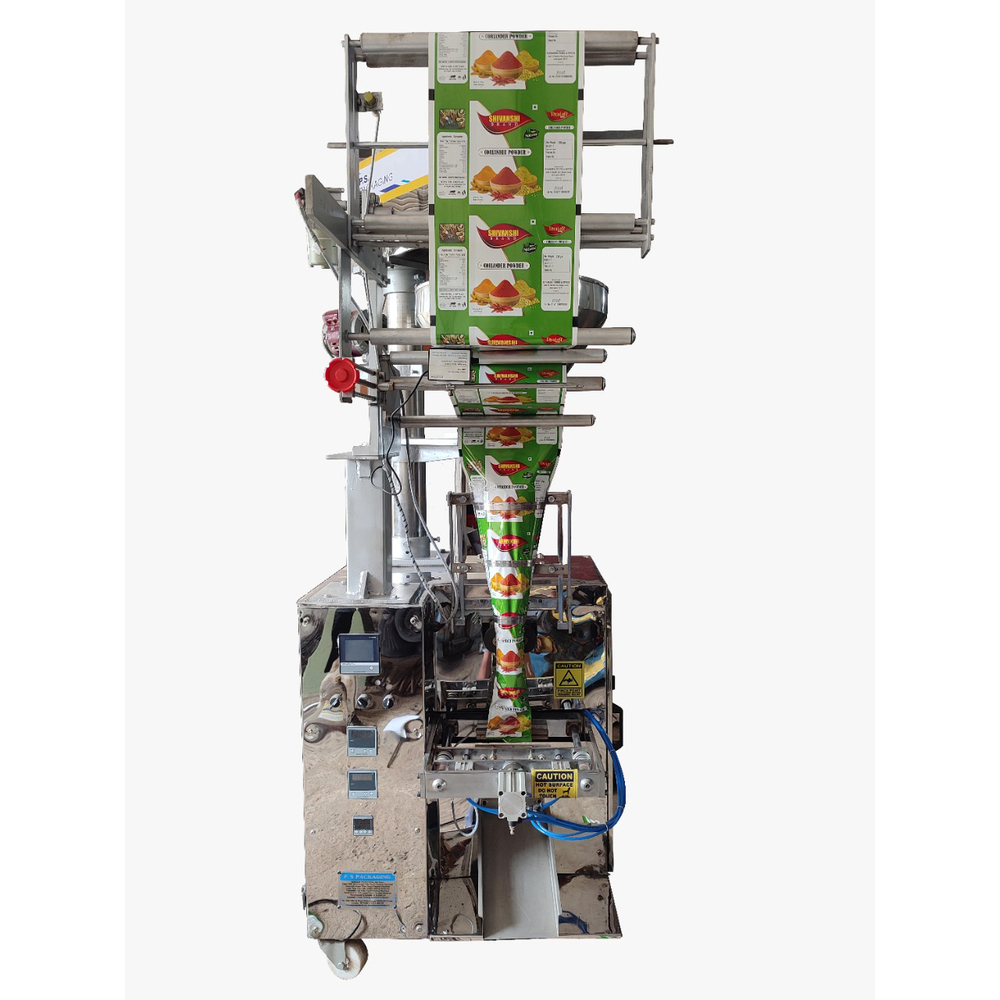 | Industrial Packaging Machine Pneumatic Auger Filler Packing Machine Manufacturer & Supplier in Indore | PS Packaging The Pneumatic Auger Filler Packing Machine from PS Packaging, Indore, Madhya Pradesh is a reliable... View product → |
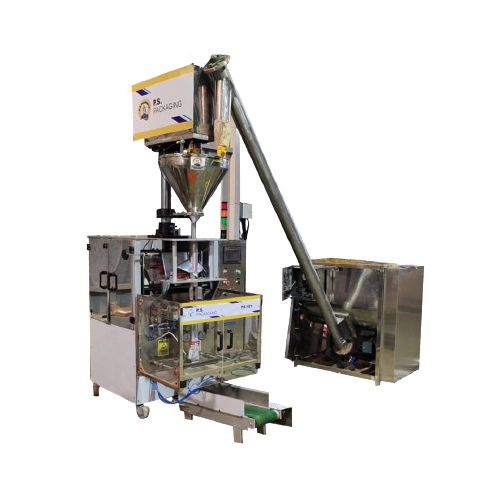 | Servo Auger Filler Packing Machine Collar Type Servo Auger Filler Packing Machine Collar Type Servo Auger Filler Packing Machine The Collar Type Servo Auger Filler Packing Machine is a high-performance packaging solution designed... View product → |
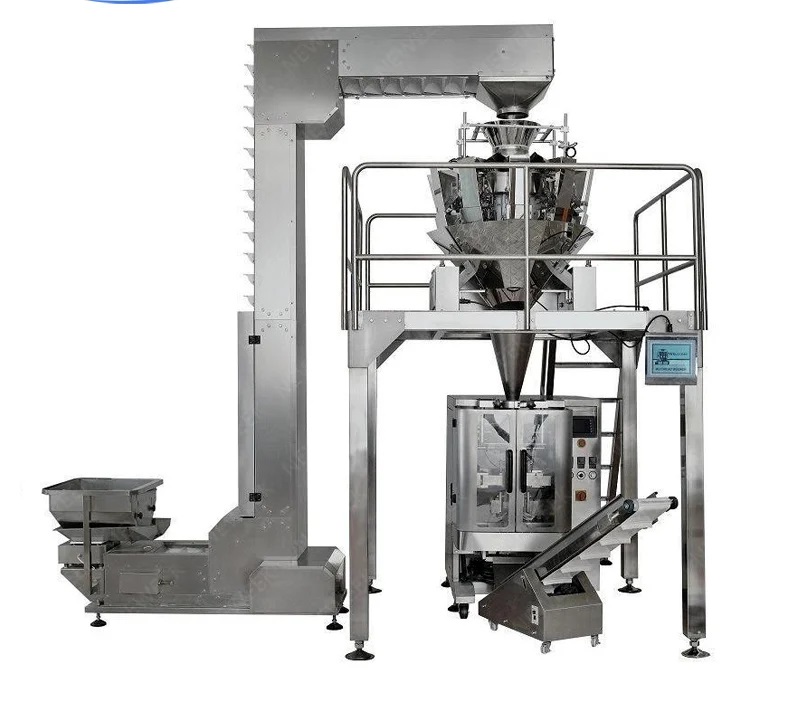 | Multihead Head Packing Machine Multi Head 10 Head Packing Machine Manufacturer & Supplier in Indore | PS Packaging Price: Get Best Price / Request a Quote MOQ: 1 Unit The Multi Head 10 Head Packing Machine from PS... View product → |
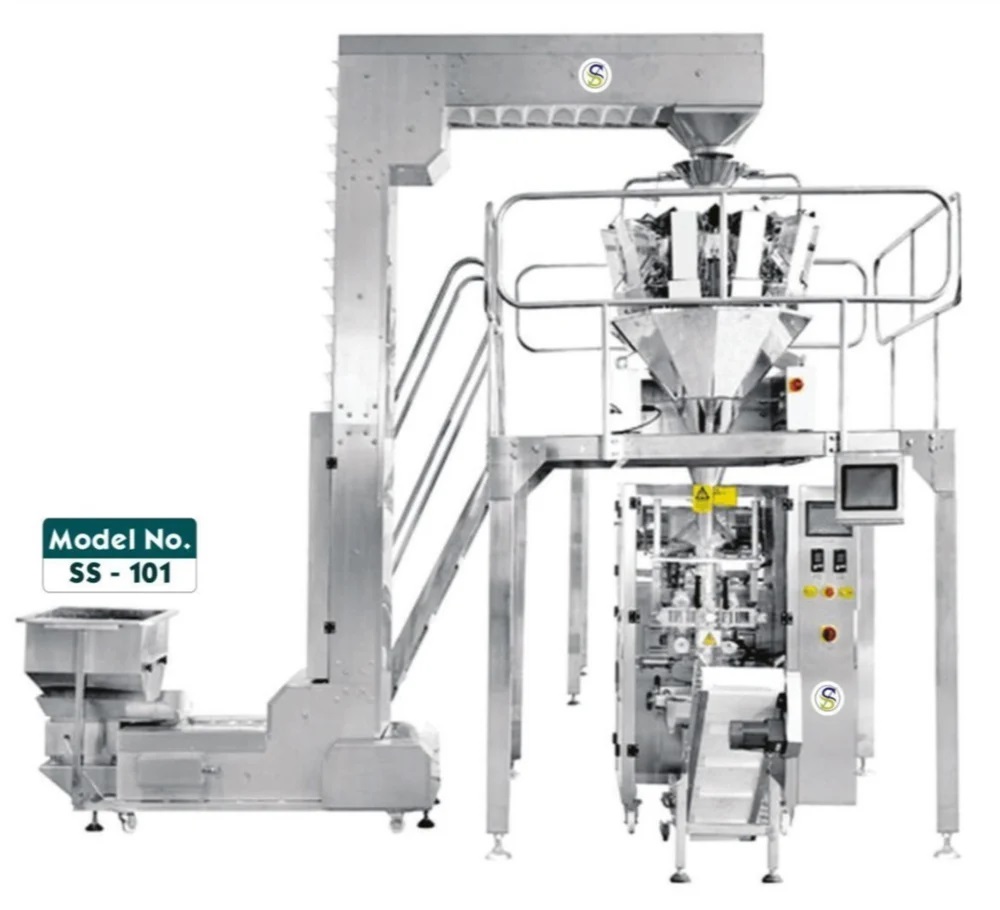 | Multihead Head Packing Machine Multi Head 14 Head Packing Machine Manufacturer & Supplier in Indore | PS Packaging Price: Get Best Price / Request a Quote MOQ: 1 Unit The Multi Head 14 Head Packing Machine from PS... View product → |