
Besan creates a harder packing problem than its appearance suggests: fine dust, changing bulk density, moisture absorption and hopper bridging can produce inconsistent weights and weak seals. By the end, you will be able to match the filling method, machine scale, film format and quality checks to your product, output and budget.
Key takeaways
- Use auger filling for cohesive besan powder and volumetric or weigh filling for tea.
- Choose a single-head line for lower output and frequent product changes.
- Test fill accuracy, dust control, seal strength and pouch performance before purchase.
Why besan needs a different packing approach from tea
Besan is a cohesive, dusty powder, not a free-flowing tea product. Its packing behaviour changes with:
- Fine particle size, which creates dust around the auger outlet and sealing area.
- Moisture absorption, which causes caking and inconsistent flow.
- Variable bulk density after milling, aeration or settling.
- Compaction or bridging inside the hopper, interrupting the feed.
A tea-packing setup can therefore produce unstable besan weights, even when its published speed looks suitable. Tea leaves or granules often discharge cleanly through a cup or volumetric filler; besan can cling to surfaces, form a bridge above the dosing point or compress into a different volume during the run.
A simple cup filler then becomes more vulnerable to underweight and overweight packs.
The machine also needs a matched film roll, former, auger outlet and sealing jaws. Dust trapped in the seal causes leaks, while excessive film friction or poor tracking creates skewed pouches and misplaced seals. A packaging machine for food industry use should provide accessible, corrosion-resistant product-contact parts and a cleaning procedure suited to fine powder.
Request a timed trial with your own besan and film: long auger fills, cleaning, weight checks and stoppages reduce real output below the headline speed.
Which filling method suits your besan packs?
For most besan packs, choose a servo auger: it gives controlled screw rotation, adjustable speed and repeatable dosing across small and medium pack sizes.
Match the auger diameter, pitch, flight shape, agitator and fill speed to the powder’s flow; moving from 100 g to 1 kg may require a different auger set, not only a software change.
| Option | Best fit | Main limitation |
|---|---|---|
| Servo auger | Multiple pack sizes, tighter weight control and frequent recipe changes | Higher purchase cost and more controls |
| Pneumatic auger | Short runs, fewer sizes and a lower-cost powder filling machine | Less precise speed control and greater risk of variation |
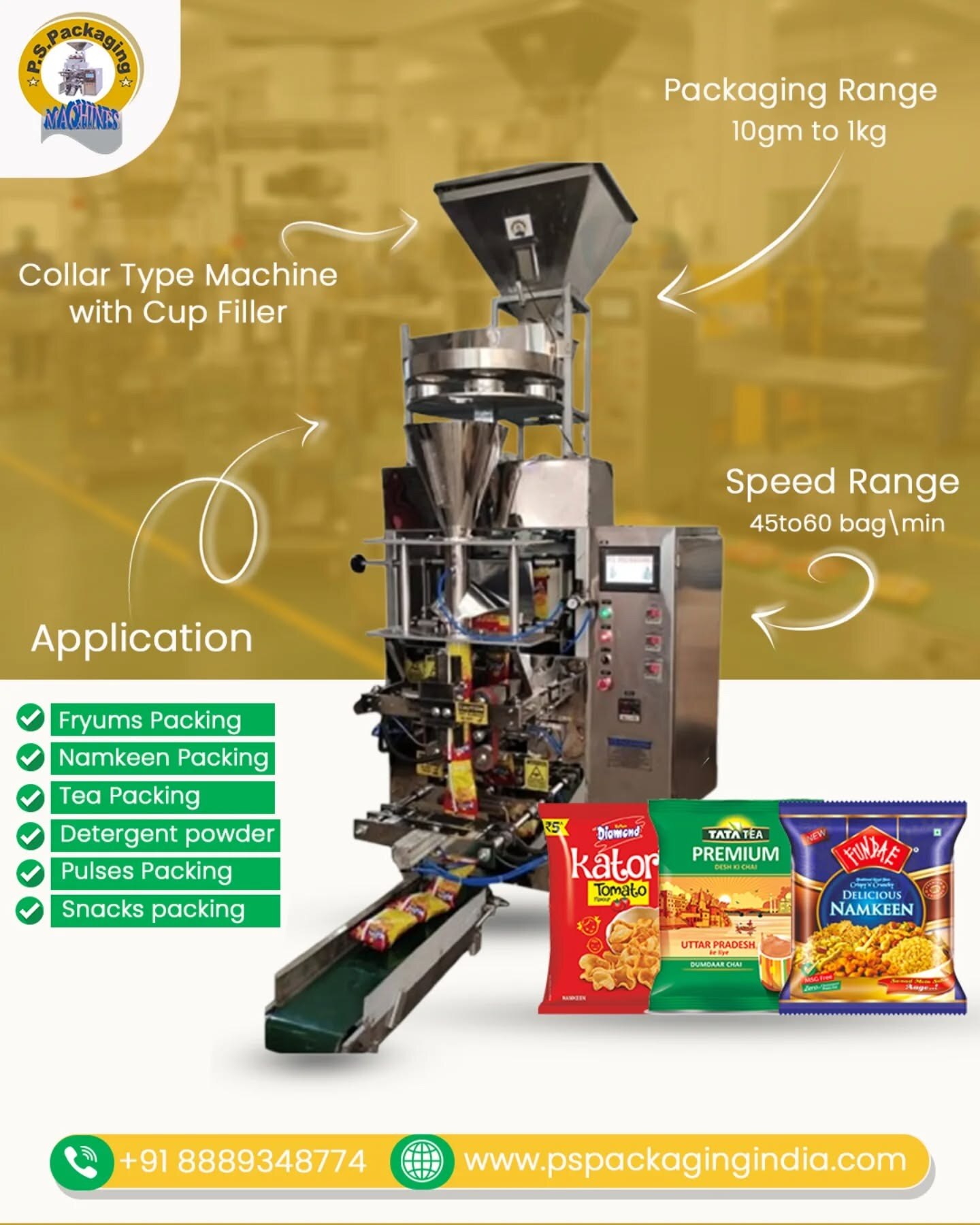
| Cup filler | Free-flowing powder with stable bulk density and simple dosing | Besan density changes with moisture, aeration and settling, so doses can drift |
| Weighing system | Variable-density besan, larger packs or strict net-weight control | Adds load cells, settling time and a slower dosing cycle |
A pneumatic auger suits a straightforward besan packing machine when production demands are modest and weight tolerance is practical. Specify its air pressure range and test the actual powder rather than relying on catalogue speed.
Use a cup filler only after trials prove that your besan remains free-flowing and delivers stable weights. Bridging, compaction or aeration can turn an apparently simple cup into repeated giveaway or underweight packs.
For variable bulk density, a net-weigh system provides stronger control than purely volumetric filling, but it needs periodic calibration and repeated weight checks. Require results across startup, hopper refill, low hopper level and pack-size changeover.
Single head or automatic multi-head: which size of line fits?
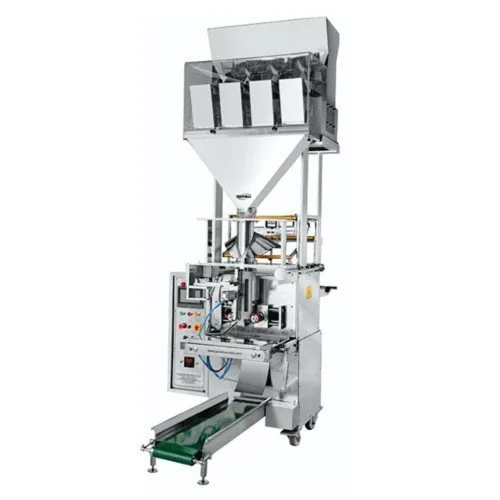
Choose capacity from your real production plan, not the machine’s maximum speed. A single head packing machine suits modest volumes, many pack sizes and frequent product changes because it costs less, cleans faster and needs simpler operation. An automatic multi-head line earns its higher cost when you need sustained output across multiple shifts.
| Decision factor | Single head packing machine | Automatic multi-head machine |
|---|---|---|
| Target output | Small or medium runs with moderate packs per minute | High, continuous output where one dosing station becomes a bottleneck |
| Pack sizes | Several sizes changed frequently | Fewer standard sizes run for longer periods |
| Labour | More manual pouch handling and closer operator involvement | Fewer filling operators, but trained staff still check quality |
| Shifts | One shift or irregular demand | Two or three shifts with predictable orders |
| Changeovers | Faster and simpler | More setup, cleaning and alignment work |
| Cost | Lower purchase and operating burden at low utilisation | Higher capital cost, justified by labour savings and throughput |
Calculate total operating cost per saleable pack. Include operators for every shift, product giveaway, rejected pouches, film waste, cleaning and changeover minutes, electricity, compressed air, spare parts and maintenance.
A semi-automatic line can win when demand is irregular or several powders run in small batches. Do not assume “semi-automatic” means low cost: compare its achievable packs per minute and manual feeding labour with the automatic alternative.
Before committing, run repeated weighing during startup, hopper-low operation, replenishment and pack-size changeover. A besan packing machine that holds weight only during steady running will create giveaway and rework when production conditions change.
How to control weight, dust, seals and food hygiene
1. Load besan through a covered hopper with level control and gentle agitation. Prevent bridging, compacting and excessive aeration, because changes in bulk density alter the dose. Keep product-contact surfaces dry, clean and accessible; remove remnants during every changeover.
2. Use an auger-based powder filling machine with a controlled feed and record test weights at start-up and set intervals. Check net weight after changes in moisture, milling or speed, then adjust the auger rather than accepting repeated giveaway.
3. Keep the auger outlet clear of the seal zone and connect controlled aspiration or dust extraction where needed. Besan on the film, forming collar or jaws creates weak seals. Match the film roll, former, pouch dimensions and laminate, then inspect tracking, registration, seal temperature, pressure and dwell time.
4. A packaging machine for food industry production still needs operator checks. Confirm printed batch or date codes are legible, verify product identity after changeover, and run a metal detector or other specified detection system. Send underweight, overweight, poorly sealed or misprinted pouches to a locked reject bin; record checkweigher results and seal failures.
5. Pack only accepted pouches into clean cartons, keeping rejected product separate. At shift changes and product changes, complete line clearance, clean the hopper, auger, collar, sensors, jaws and film path, and document who released the line. A final sample should pass visual seal inspection and a leak test before dispatch.
What to test before buying a besan packing machine
Approve a besan packing machine only after a timed trial using your own besan, target pack sizes and production film. Published speed is not a guarantee: dust, long auger fills, replenishment, cleaning and stoppages reduce actual output.
| Test | How to run it | Approval evidence |
|---|---|---|
| Machine output | Run a full timed trial on a single head packing machine or multi-head line | Measured packs per minute, stoppages and operator count meet your target |
| Weight accuracy | Record repeated weights at startup, low hopper level, normal running, product replenishment and pack-size changeover | Average weight, variation and giveaway stay within your written tolerance |
| Film and seals | Run the actual laminate through the roll holder, former, auger outlet and sealing jaws | Registration remains aligned; seals are continuous, clean and leak-free |
| Sanitation | Inspect contact parts, welds and access points after dry cleaning and reassembly | Material grade is documented, welds are smooth, removable parts are listed and the cleaning procedure is practical |
| Detection and coding | Challenge the checkweigher, metal detector and date coder with known test pieces and marked packs | Reject devices operate correctly and codes remain readable |
For a packaging machine for food industry production, reject vague claims such as “stainless steel” without the grade, finish and cleaning records. PS PACKAGING should provide these documents and run the trial under your planned shift conditions, including film changes and clean-down time.
Approve the line only after recording power, compressed-air use, spare-part needs and labour coverage alongside output.
Related products
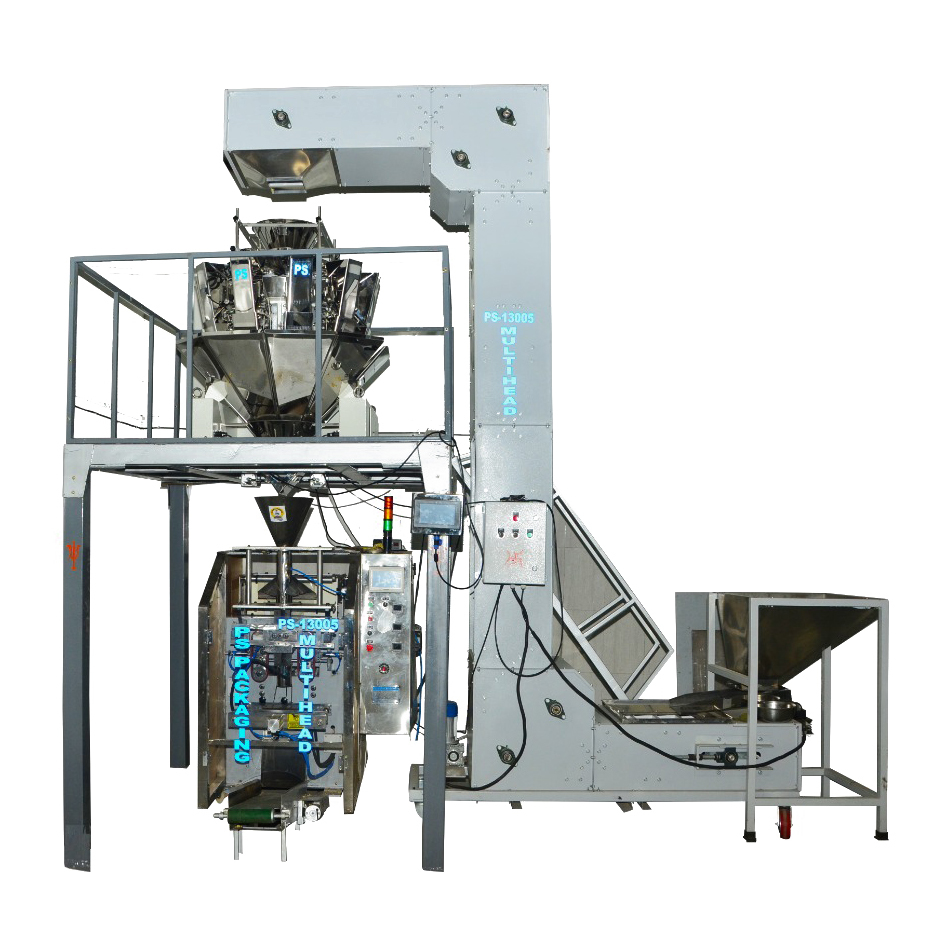 | Multihead Head Packing Machine Multihead Packing Machine The Multihead Packing Machine is a fully automatic, high-speed packaging solution designed for precise weighing, filling,... View product → |
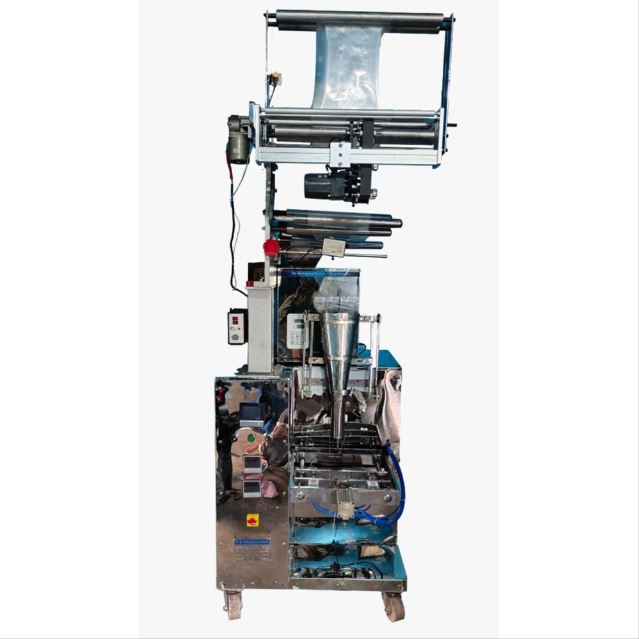 | Industrial Packaging Machine Manufacturer & Supplier in Indore | PS Packaging The Single Head Packing Machine from PS Packaging, Indore, Madhya Pradesh is a durable and efficient... View product → |
Frequently asked questions
Why does besan need a different packing approach from tea?
Besan is a cohesive, dusty powder that can bridge, compact and cling inside the product path. Tea leaves are bulkier and flow differently, so the feeder, dosing method and dust controls must match the product.
Which filling method suits besan packs?
An auger-based powder filling machine suits besan because its screw controls cohesive powder more consistently than a basic volumetric cup. Confirm performance with your target pack sizes and besan particle characteristics.
When should you choose a single-head packing machine?
Choose a single head packing machine when you have lower production volumes, several pack sizes or frequent product changes. A multi-head automatic line fits higher output when continuous production justifies its added complexity.
How can you control besan weight, dust, seals and hygiene?
Run calibration checks at the target weight, use enclosed powder handling and extraction where needed, keep the sealing area free of powder, and specify food-contact parts that are easy to clean and inspect.
What should you test before buying a besan packing machine?
Test your own besan for dosing accuracy, flow, dust, pack speed, seal strength and rejected packs. Check every intended pouch material and size, then review cleaning access, changeover time and operator controls.
Related products
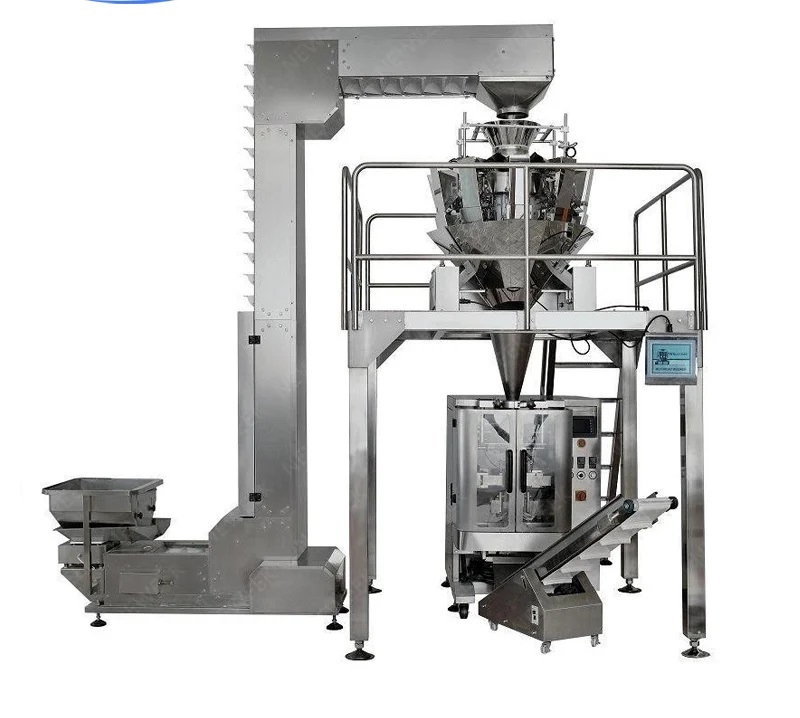 | Multihead Head Packing Machine Multi Head 10 Head Packing Machine Manufacturer & Supplier in Indore | PS Packaging Price: Get Best Price / Request a Quote MOQ: 1 Unit The Multi Head 10 Head Packing Machine from PS... View product → |
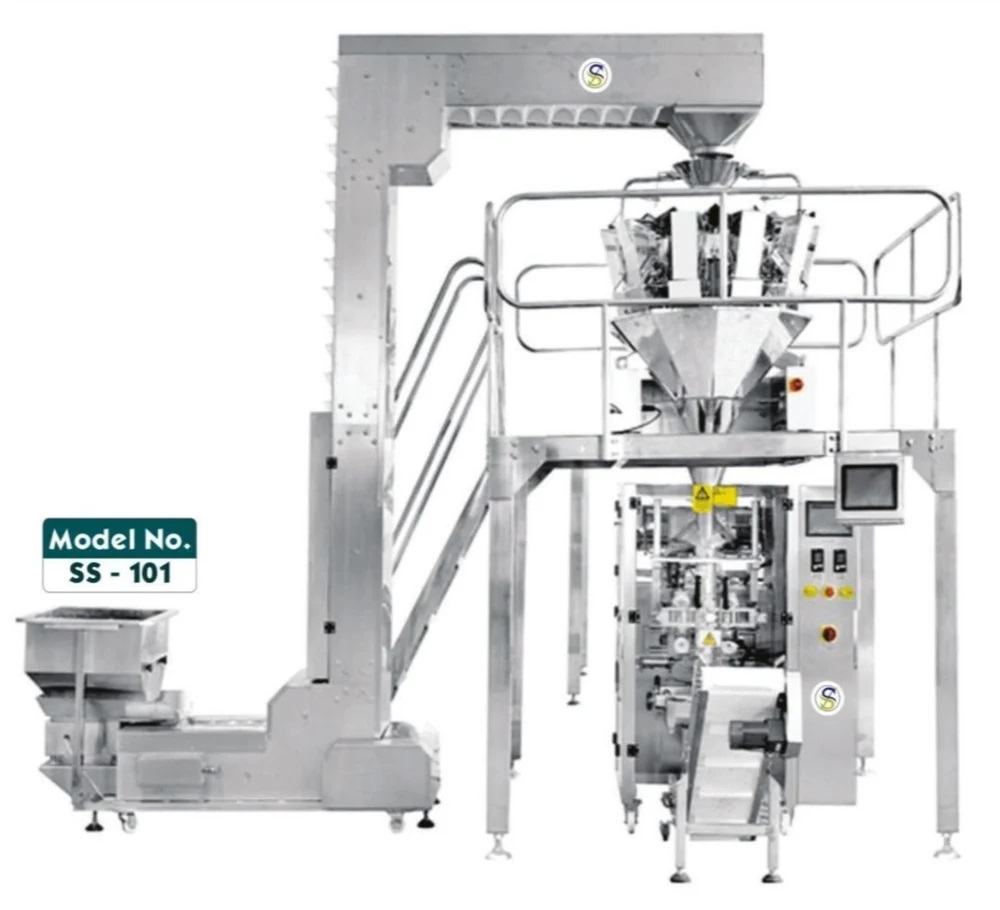 | Multihead Head Packing Machine Multi Head 14 Head Packing Machine Manufacturer & Supplier in Indore | PS Packaging Price: Get Best Price / Request a Quote MOQ: 1 Unit The Multi Head 14 Head Packing Machine from PS... View product → |
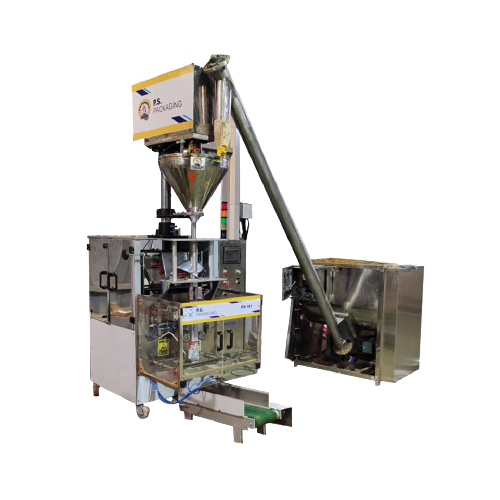 | Servo Auger Filler Packing Machine Collar Type Servo Auger Filler Packing Machine Collar Type Servo Auger Filler Packing Machine The Collar Type Servo Auger Filler Packing Machine is a high-performance packaging solution designed... View product → |
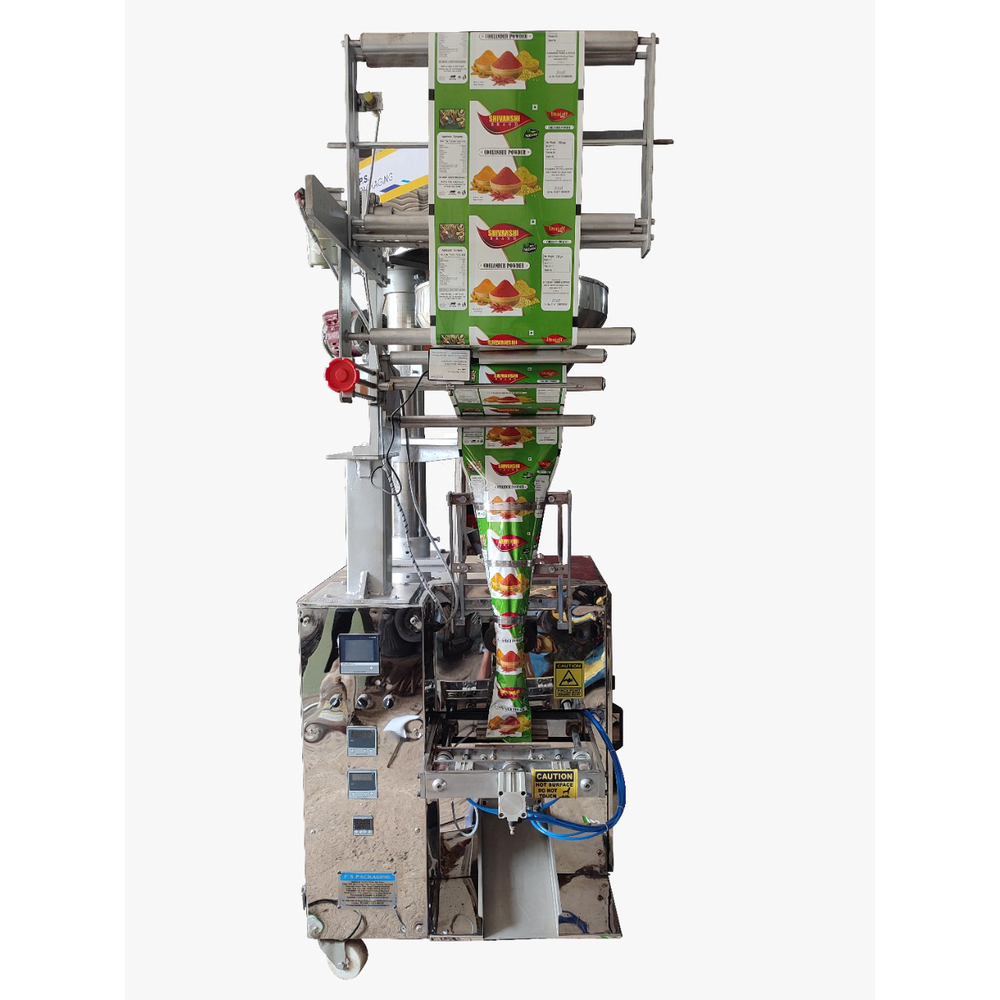 | Industrial Packaging Machine Pneumatic Auger Filler Packing Machine Manufacturer & Supplier in Indore | PS Packaging The Pneumatic Auger Filler Packing Machine from PS Packaging, Indore, Madhya Pradesh is a reliable... View product → |