
Manual cup filling creates variation in dose, sealing, labour use and output, while a poorly specified automatic line simply moves those problems to the next station. By the end, you will be able to match a filler to your product, test its real performance, estimate payback and set acceptance conditions before committing to equipment.
Key takeaways
- Match dosing technology to product flow, particle size and target fill weight.
- Compare preformed-cup systems with collar-type lines before selecting packaging format.
- Calculate payback using labour, output, waste, maintenance and changeover costs.
- Test fill accuracy, seals, changeovers and safety functions before machine acceptance.
How a cup filler line moves product from hopper to finished pack
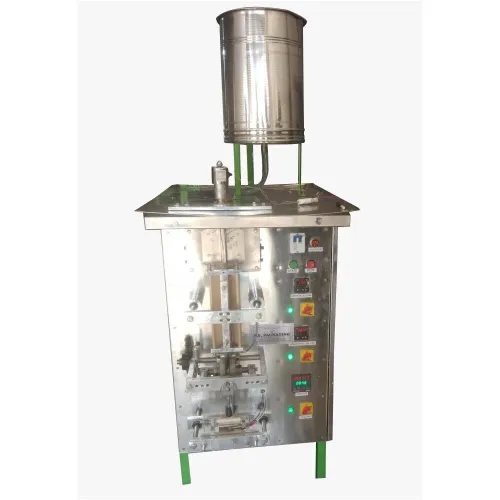
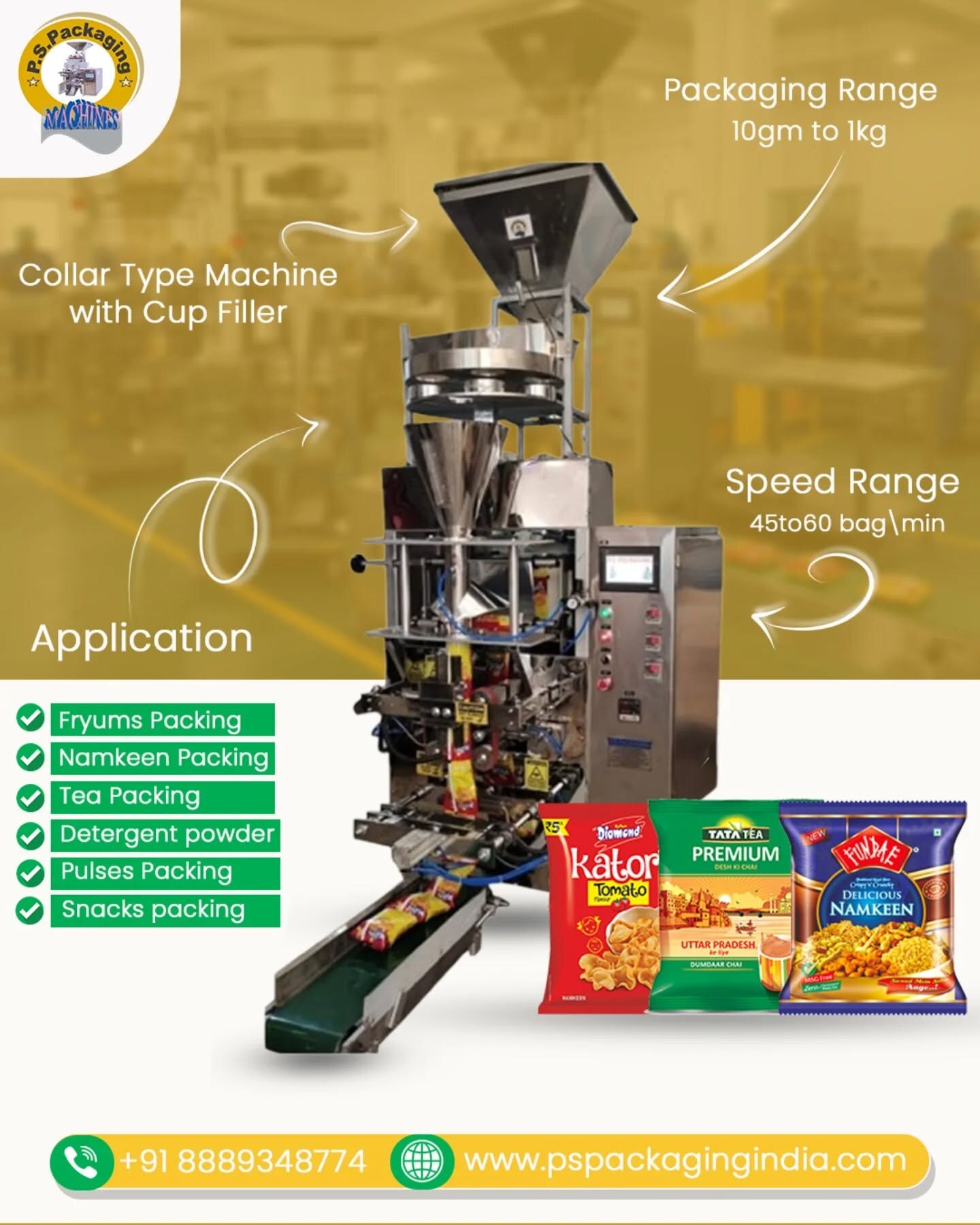
1. Feed preformed cups from a magazine, or unwind packaging film from a reel. With preformed cups, the machine places each cup under the dosing point. With a collar-type vertical form-fill-seal line, film wraps around a forming collar to create a tube.
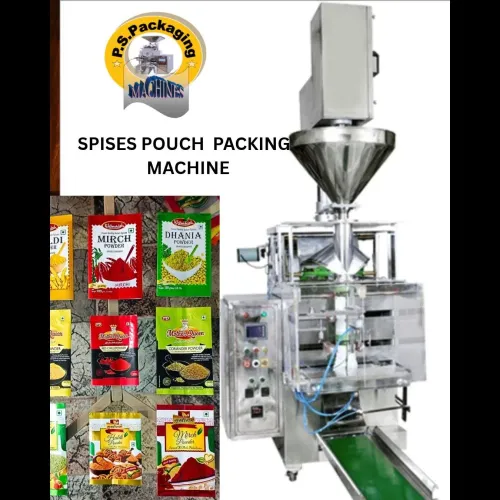
2. Dose the product from the hopper. Volumetric cups suit free-flowing granules such as pulses, rice, seeds, sugar and snacks; other systems handle liquids, sauces, curd, dairy products, beverages and powders. Sticky products can bridge, dusty powders need controlled feeding, large particles can jam chutes, and foamy liquids need controlled dosing.
Hot products require film and seal materials rated for the fill temperature.
3. Drop the measured dose into the cup or film tube. On a collar-forming line, the machine makes a longitudinal seal, then transverse seals create the pack’s top and bottom. Film compatibility, jaw temperature, pressure, dwell time and product-free seal areas determine seal quality; the filler alone does not.
4. Apply the date or batch code, cut between packs, and discharge them onto a conveyor or into a collection container for inspection, counting and case packing. A complete line also includes hopper replenishment and product transfer, so evaluate packaging automation solutions in indore by the slowest station, not the filler’s quoted speed.
5. Protect hygiene with cleanable contact parts, sloped drainage, changeover cleaning and controls that prevent product entering the seal area. Automation reduces repeated manual scooping and handling, but operators still load materials, check seals, clear jams and remove rejects.
Which dosing system gives the most consistent result for your product
A volumetric cup gives the most consistent result when your product flows freely and its bulk density remains stable. It dispenses a fixed volume, not a fixed mass, so moisture, particle size, density and settling change the packed weight.
| Option | Product behaviour | Control and limitation |
|---|---|---|
| Pneumatic | Simple, free-flowing products with straightforward motion | Lower cost and easy actuation, but less fine control over position and timing |
| Servo | Products needing repeatable motion, adjustments or frequent format changes | Precise programmable movement, with higher controls and maintenance cost |
| Volumetric cup | Rice, pulses, seeds, sugar and snacks that fill cups evenly | Fixed volume; mass shifts with density, moisture and settling |
| Auger | Powders and cohesive materials | Controlled screw feed, but bridging, compaction and retained product in the chamber can cause variation |
| Multihead weigher | Irregular pieces or products with uneven size and density | Weighs portions directly, but adds cost, space and more complex cleaning |
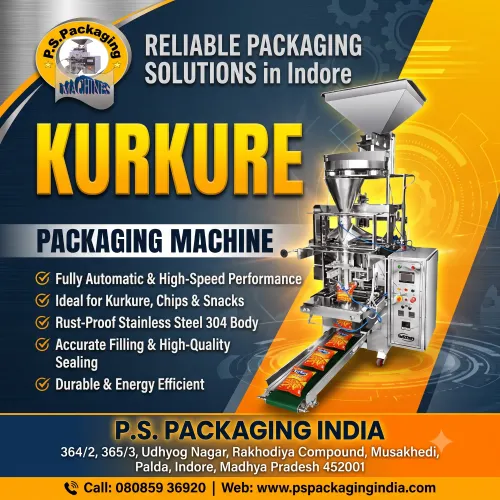
The collar type cup filler benefits are strongest for free-flowing granules: compact film forming, repeatable seal placement, less manual handling and faster format changes. Its trade-off is dependence on compatible film, cup geometry and steady product flow; sticky, dusty or irregular products may need an auger or multihead weigher.
Servo motion improves repeatability, dose adjustment and changeover control. Pneumatic motion suits simpler, lower-cost equipment where fine positioning matters less.
For declared net quantity, weigh finished packs with a checkweigher or defined sampling plan. Test the actual product, film, humidity and target pack size; reject any claimed accuracy percentage that is unsupported by those results. This is the right starting point for an automatic cup filler machine India project.
How to choose capacity, format and automation level for an Indore plant
Choose the machine from the slowest station, not the headline cups-per-minute figure. Specify target volume, cup diameter and height, product temperature, required shelf life, sealing-film material and thickness, number of cup sizes, and available floor space before comparing quotations.
| Operation | Best fit | Trade-off |
|---|---|---|
| Semi-automatic | Low-to-medium output; an operator places cups, loads product, changes film and removes packs | Lower complexity, but more labour and handling |
| Fully automatic | Higher output with cup feeding, dosing, sealing, coding and discharge | Fewer repetitive tasks, but more sensors, change parts and troubleshooting points |
| Cup filling versus alternatives | Cups give rigid presentation and repeatable sealing; pouches can use less material; trays suit delicate products; manual filling suits very small runs | Choose the format that matches product protection, labour and changeover needs |
Challenge every quoted rate against hopper replenishment, elevators, film unwinding, coding, downstream case packing and the slowest station. A 60-cups-per-minute filler produces 40 saleable packs per minute if sealing or case packing is slower.
Automation pays back when manual dosing, giveaway, rejected packs, throughput limits or labour availability cost more than added cleaning and maintenance. In Indore, test hygroscopic powders, sugar and pulses at operating humidity; control dust, protect film from moisture, and specify voltage protection.
A cup filler is the wrong choice for very low volumes, irregular cup sizes, frequent format changes, large particulates, fragile products or material that smears the seal. Evaluate cup filler packaging automation solutions in Indore against floor space, cleaning access and service needs, not speed alone.
What to inspect, test and maintain before accepting the machine
1. Confirm the site before shipment: electrical supply, voltage protection, compressed-air pressure, filtration and moisture removal. Check guarding, interlocked access doors, emergency stops, food-grade seals, contact-part materials and controlled sealing temperature. Record the required cleaning method, operator training, critical spares and local service response.
2. Run a factory acceptance test with your actual product, cup or film, target dose, ambient humidity and intended operating temperature. Define the sample size, target weight or volume, average and maximum deviation, rejected-pack rate, and product retained in the hopper or dosing chamber. Do not accept a supplier’s speed claim as an accuracy result.
3. Inspect product-contaminated seals for wrinkles, channels, pinholes and trapped product, then test seal strength using ASTM F88/F88M as a structure.
Diagnose underfilling through cup setting, density or bridging; overfilling through settling or excess feed; weak seals through temperature, pressure, dwell time or contamination; jams through cup dimensions or alignment; and air leaks through tubing and fittings.
4. For food, request FSSAI-related hygiene, suitability, cleanliness and migration documentation, and verify space for Packaged Commodities declarations: net quantity, packer details, generic name, month and year, MRP and consumer-care information. For pharmaceuticals, cosmetics and chemicals, add GMP controls, batch traceability and material-compatibility records.
5. Assess PS PACKAGING as an industrial packaging automation supplier in Indore against these signed results, not a demonstration. Require cleaning procedures, manuals, training records and spare-parts lists before handover, with acceptance conditional on dose performance, seal integrity, safe access and documented service support.
Related products
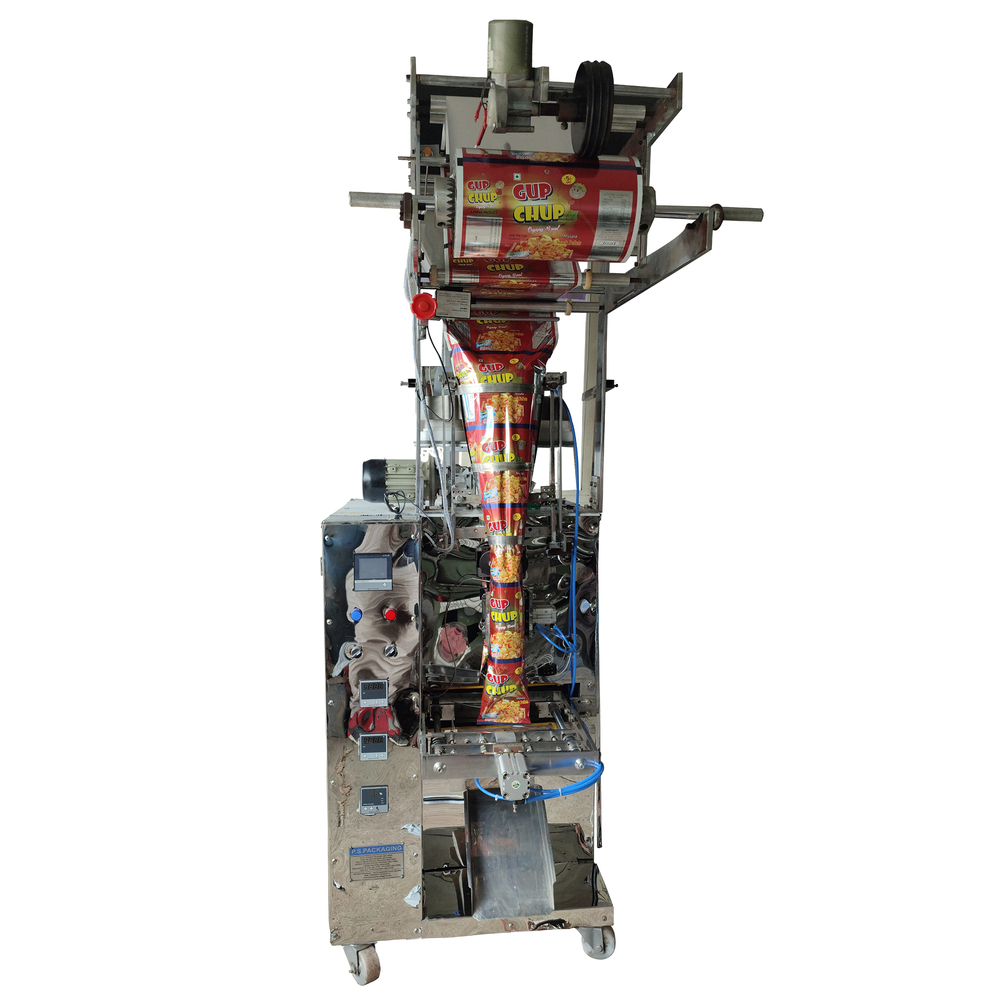 | Industrial Packaging Machine Pneumatic Cup Filler Packing Machine Manufacturer & Supplier in Indore | Patna | Nagpur -PS Packaging The Pnematic Cup Filler Packing Machine from PS Packaging, Indore, Madhya Pradesh is... View product → |
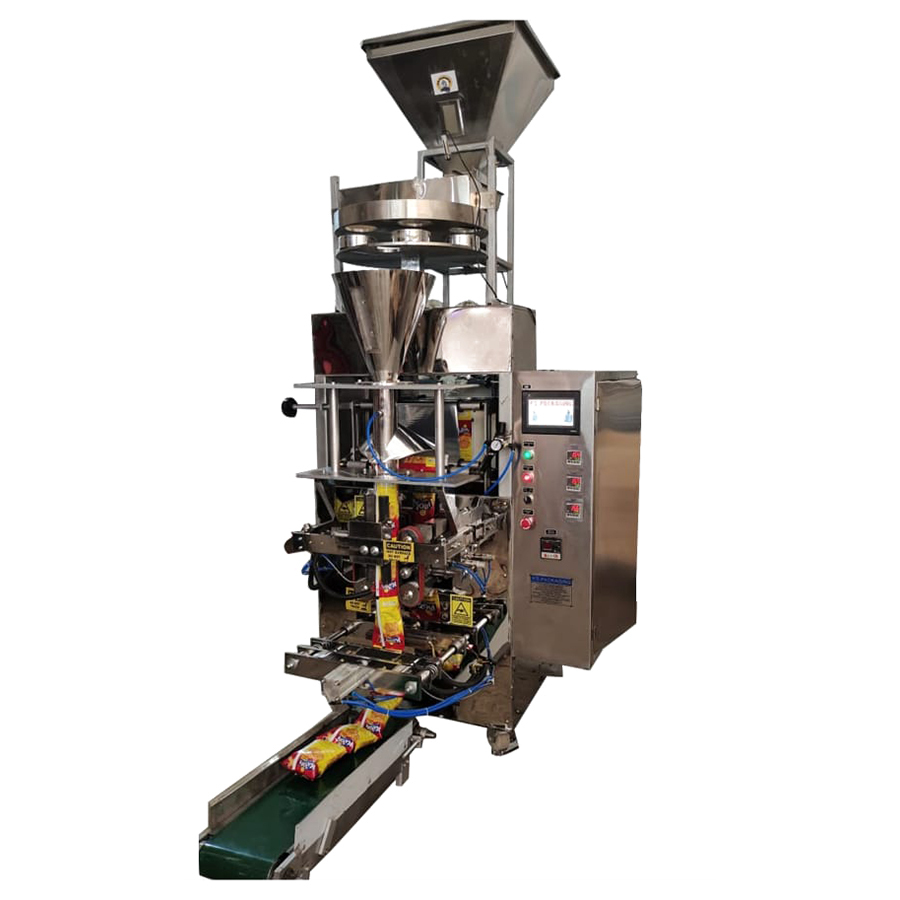 | Industrial Packaging Machine Collar Type Cup Filler Packing Machine The Collar Type Cup Filler Packing Machine is a robust and efficient packaging solution designed to deliver accurate filling and reliable sealing for... View product → |
How to calculate payback and compare the total cost of ownership
Payback equals total installed investment divided by verified monthly savings and added gross contribution. Do not divide the quoted machine price by the wages of workers removed.
- Capital cost, tooling, change parts, installation, electrical work, air generation or treatment, and coding equipment.
- Film and product waste, utilities, preventive maintenance, cleaning time, rejected packs, spare parts, operator training, and planned downtime.
- Labour saved through reduced manual dosing, plus the cost of skilled operators who remain for loading, checks, cleaning and recovery.
Measure benefits from saleable packs per hour, reduced manual dosing, lower giveaway, fewer seal rejects, longer operating windows and improved batch traceability. Use actual production records, not a demonstration rate.
| Filler only | Dosing is faster | Film unwinding, sealing, coding, discharge or case packing can still cap saleable output |
|---|---|---|
| Complete line | Every station is measured | The slowest station defines throughput and the payback case |
Test the calculation at realistic uptime, including format changes, sanitation, hopper refilling, jam recovery and seasonal humidity effects. A high-speed doser creates no extra saleable packs when the downstream line is slower.
Ask:
- What product and density were tested, and what weight variation is allowed?
- Which film structure and thickness were used?
- How long do changeover and cleaning take?
- What happens during air or power failure?
- Which parts are stocked locally, and what service response is committed?
Make acceptance conditional on documented throughput, dose results, seal integrity, safeguarding, coding space, training, manuals and spare-parts delivery. Recalculate payback after verified site trials.
Frequently asked questions
How does a cup filler line move product from hopper to finished pack?
The line feeds preformed cups from a magazine or forms cups from film, doses product from a hopper, seals each pack, and discharges finished cups.
Which dosing system gives the most consistent result?
Choose the dosing system according to product characteristics, including flow behaviour, particle size, viscosity and the required fill-weight accuracy.
How should an Indore plant choose capacity and automation level?
Set the target packs per minute, cup size range, changeover frequency, available floor space and operator capacity before comparing machine configurations.
What should you inspect before accepting a cup filler machine?
Test fill-weight consistency, sealing performance, format changes, guarding, emergency stops, cleaning access, documentation and maintenance procedures.