
Flour changes behaviour as it moves through a machine: it aerates, settles, absorbs moisture and clings to metal and film. By the end, you will be able to connect each failure symptom to a product property, select a suitable dosing method and specify the tests needed before approving a line for production in Indore.
Key takeaways
- Control flour bulk density before adjusting filler settings.
- Use auger filling for cohesive flour and test cup filling carefully.
- Trace weight variation to aeration, settling, bridging or refill changes.
- Validate dust control, seal integrity and sanitation during a production trial.
Why flour behaves unpredictably inside the machine
Flour is a compressible, aerated powder rather than a free-flowing grain. Its bulk density changes as air escapes, vibration settles the hopper, or the powder is refilled. A flour packing machine can therefore deliver the same volume but a different weight, leaving the filler mechanically accurate while the finished pouch misses its declared quantity.
The main physical causes are:
- Fine particles create dust and cling to augers, collars, sensors and sealing jaws through static charge. The buildup changes the effective filling volume and later contaminates the seal.
- Irregular particles and bran interrupt flow. They form bridges over the hopper outlet, then collapse suddenly, producing alternating underfilled and heavy pouches.
- Flour absorbs moisture. Damp powder cakes and moves slowly; dry powder becomes more airborne. Humid flour or condensation on film also reduces seal consistency.
- Different particle sizes and fat levels pack differently. Maida may flow more freely than bran-rich atta, while besan and multigrain flour can carry different air content and cohesion.
Temperature, humidity and storage time change these properties before the product reaches the filler. Test the machine with flour from the actual supply and storage conditions, not only with a freshly prepared dry sample.
After filling, vibration and settling can reduce apparent volume, so verify net weight on sealed packs through a documented checkweighing and calibration routine tied to pack size and production lot.
What the failure symptoms reveal
Start with the failed pack, not the machine’s speed display. A flour packing machine usually reveals the fault through a pattern: the same product, film and target weight fail in a repeatable way.
- Fluctuating weights point to changing bulk density, aeration or irregular discharge. Check hopper level, auger buildup and refill timing; on a pneumatic cup filler, verify air pressure, pulse timing, cylinder movement and venting.
- Blocked powder paths indicate bridging, rat-holing or caking. Inspect the hopper outlet, auger flights, feed tube and collar after a stoppage, then check flour moisture and storage exposure.
- Dusty seals mean powder is entering the sealing zone. Check the filling tube height, extraction, film tracking and jaw cleanliness; dust trapped in the seal creates channels that leak.
- Leaking pouches require a seal inspection before changing the fill dose. Look for flour across the seal, low jaw temperature, short dwell time, uneven pressure, wrinkled film or damaged laminate.
- Slow output reflects saleable production, not the advertised cycle rate. Record time lost to manual bag placement, hopper refilling, dust removal, rejected packs, film changes, jaw cleaning and bridging stoppages.
Run the machine through several consecutive batches. Record mean weight, standard deviation, out-of-tolerance packs, seal failures and recovery after a hopper refill or planned stop; one clean demonstration run cannot expose these faults.
Which filling method matches your flour
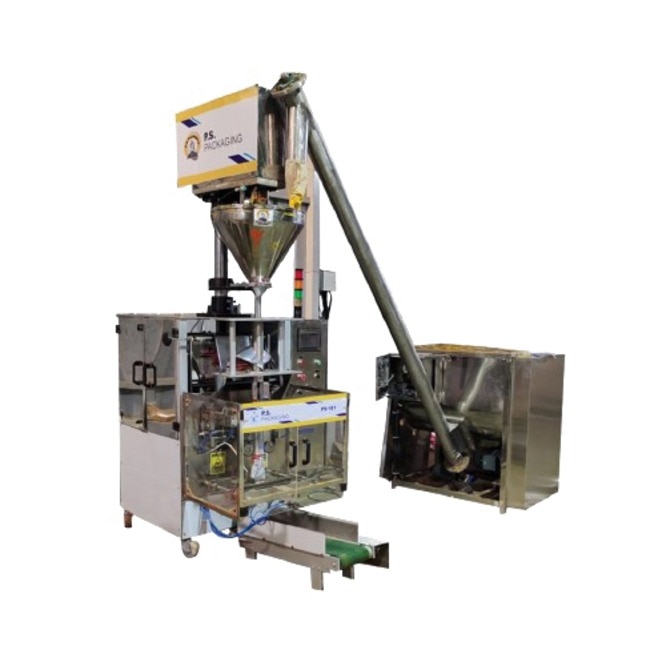
Choose an auger filler when declared weight matters, especially for atta, maida and besan with changing bulk density, fine particles or mild caking. It controls dose by screw rotation rather than cup volume, but the screw, hopper and agitator must match the flour’s flow behaviour.
| Option | Best match | When to choose | Main limitation |
|---|---|---|---|
| Auger filler | Atta, maida, besan and most multigrain flours | Tight net-weight control, frequent density changes or larger packs | Needs correct screw geometry, agitation and speed |
| Pneumatic cup filler packing machine | Free-flowing flour with stable density | Simple volumetric dosing where moderate accuracy is acceptable | Air pressure, pulse timing, venting and cylinder friction can change fill weight |
| Multihead weigher | Coarse, free-flowing multigrain blends containing visible grains or flakes | Each hopper can weigh portions accurately before discharge | Poor fit for cohesive fine flour that bridges or clings |
| Semi-automatic machine | Small batches, many pack sizes or a new product | Lower output, manual pouch placement and frequent changeovers are acceptable | Labour, inconsistent feeding and slower saleable output |
Use a pneumatic cup filler only after checking compressed-air pressure, cup discharge and venting with the actual flour. Unbalanced extraction can pull powder from the dose and create underweight packs. For a multihead weigher, confirm that the flour flows through each hopper without bridging.
Select semi-automatic equipment when flexibility outweighs labour cost; choose auger dosing when weight compliance outweighs simplicity. Test every option at Indore’s seasonal humidity and with your actual film.
How to control dust, sealing and sanitation
A flour line stays reliable when the machine controls dust before it reaches the seal. Choose a packaging machine for food industry use with smooth, drainable product-contact surfaces, tool-less access, sealed welds, no product ledges, and no hollow or inaccessible flour traps.
Flour retained in auger flights, hopper corners, collars, or pneumatic fittings can attract pests and contaminate the next product.
- Specify local extraction at the filling point, dust-release area, and sealing station. Keep flour deposits away from motors, sensors, electrical cabinets, and hot surfaces; require grounding, bonding, suitable electrical equipment, and a documented combustible-dust cleaning method.
- Control the product drop and allow a settling interval before sealing. Keep film tracking stable, clean the seal jaws, and verify seal strength and leak resistance at the intended production speed. Flour between film layers can create a closed-looking seal that leaks during transport.
- Define compressed-air quality using ISO 8573-1, including particle, water, and oil limits. Install point-of-use filtration and drying; oil carryover, pipe scale, liquid water, or desiccant dust can contaminate flour and packaging film.
- Write the cleaning and changeover sequence before acceptance. List disassembly points, vacuum or wipe methods, inspection areas, allergen controls for wheat flour, dust-collector cleaning, verification records, and the disposition of first packs after changeover.
Do not use uncontrolled compressed-air blasts to scatter flour. Validate weight, seal integrity, and cleanliness after cleaning, restart, and product changeover.
How to prove the line will work in production
Require a witnessed production trial using the exact flour grade, film structure, roll dimensions, pouch width and declared pack size. Packaging automation solutions must be judged as a product-and-process envelope, not by a claimed bags-per-minute figure.
- Flour moisture, bulk density, particle-size or bran condition, and target weight
- Film construction, friction behaviour, seal-window results, and roll tracking
- Filler accuracy, post-settling weight, seal integrity, dust at the seal, and sustained output
- Compressed-air pressure and ISO 8573-1 purity class, with point-of-use filtration and drying
- Electrical supply, dust extraction, cleaning time, access points, allergen controls, and changeover method
| Check | Accept when | Repeat or reject when |
|---|---|---|
| Initial weight | Net weight remains within the documented tolerance after settling and sealing | The filler is accurate but finished packs fall below declared quantity |
| Seals | No flour is trapped in the seal and packs pass leak testing | Dust, wrinkles, weak seals, or leaks appear |
| Production run | Output and weights remain stable for the agreed run duration | Speed falls as buildup, bridging, or dust increases |
| Changeover | Auger flights, hopper corners, elevators, and dust lines are accessible and cleaning is verified | Flour remains in retention points or first packs are uncontrolled |
Ask PS PACKAGING to document raw readings, rejects, calibration checks, and first-pack disposition. Accept the line only when the signed trial record matches your Indore plant’s utilities, operators, cleaning schedule and production-lot controls.
Related products
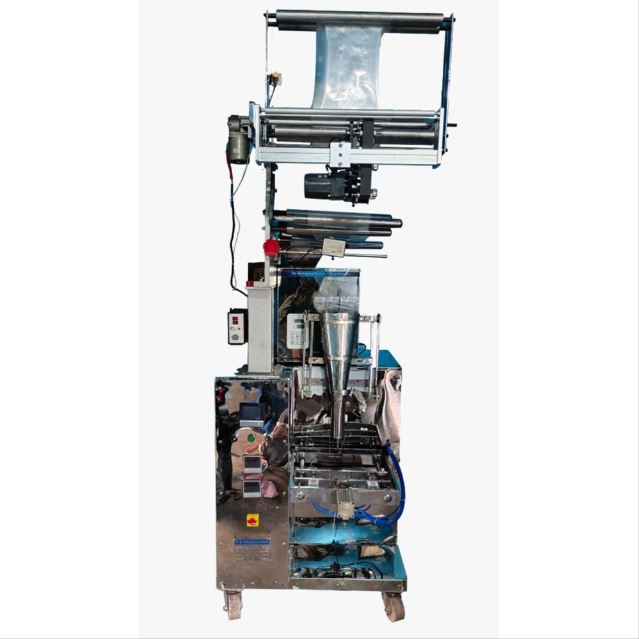 | Industrial Packaging Machine Manufacturer & Supplier in Indore | PS Packaging The Single Head Packing Machine from PS Packaging, Indore, Madhya Pradesh is a durable and efficient... View product → |
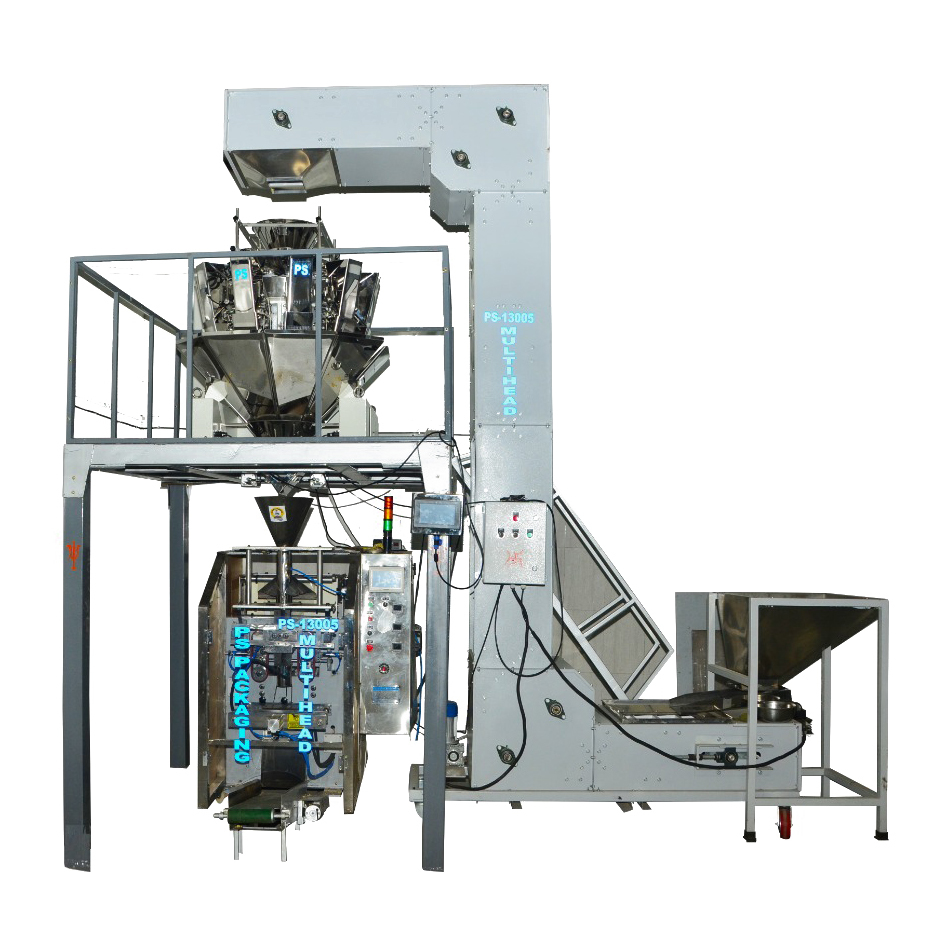 | Multihead Head Packing Machine Multihead Packing Machine The Multihead Packing Machine is a fully automatic, high-speed packaging solution designed for precise weighing, filling,... View product → |
Frequently asked questions
Why does flour weight vary even when the filler volume stays constant?
Flour is compressible and aerated. Air escape, hopper vibration, settling and refill conditions change bulk density, so identical volumes can weigh differently.
Which filling method suits flour packing?
Use an auger filler for cohesive or compressible flour. A pneumatic cup filler packing machine suits flour only after trials confirm stable flow, density and weight accuracy.
What do leaking seals and dusty pouches indicate?
Dust on the seal area can prevent heat-seal layers from bonding. Check powder escape, sealing temperature, dwell time, pressure, film alignment and jaw cleanliness.
How can a food business prove the packing line will work in production?
Run representative flour at the target speed and pack size, then record fill weights, rejects, seal strength, dust levels, changeover time and cleaning results.
Related products
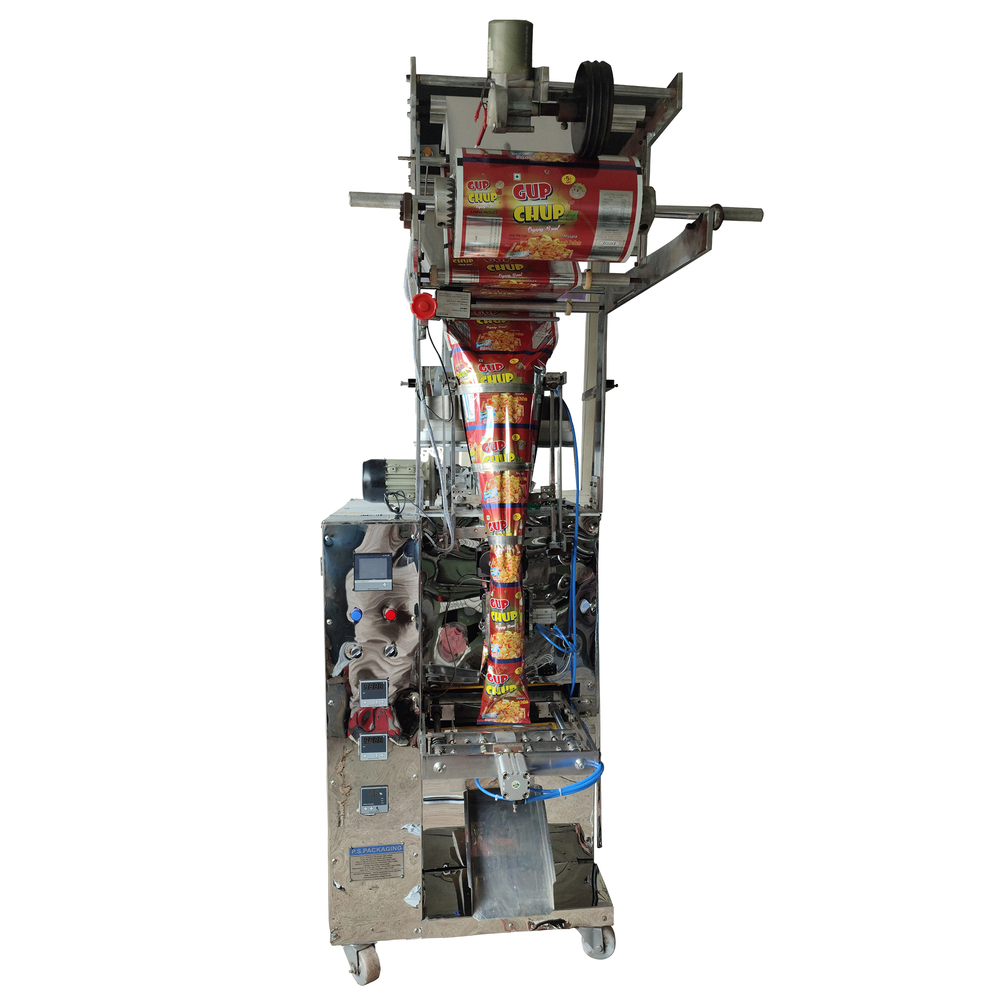 | Industrial Packaging Machine Pneumatic Cup Filler Packing Machine Manufacturer & Supplier in Indore | Patna | Nagpur -PS Packaging The Pnematic Cup Filler Packing Machine from PS Packaging, Indore, Madhya Pradesh is... View product → |
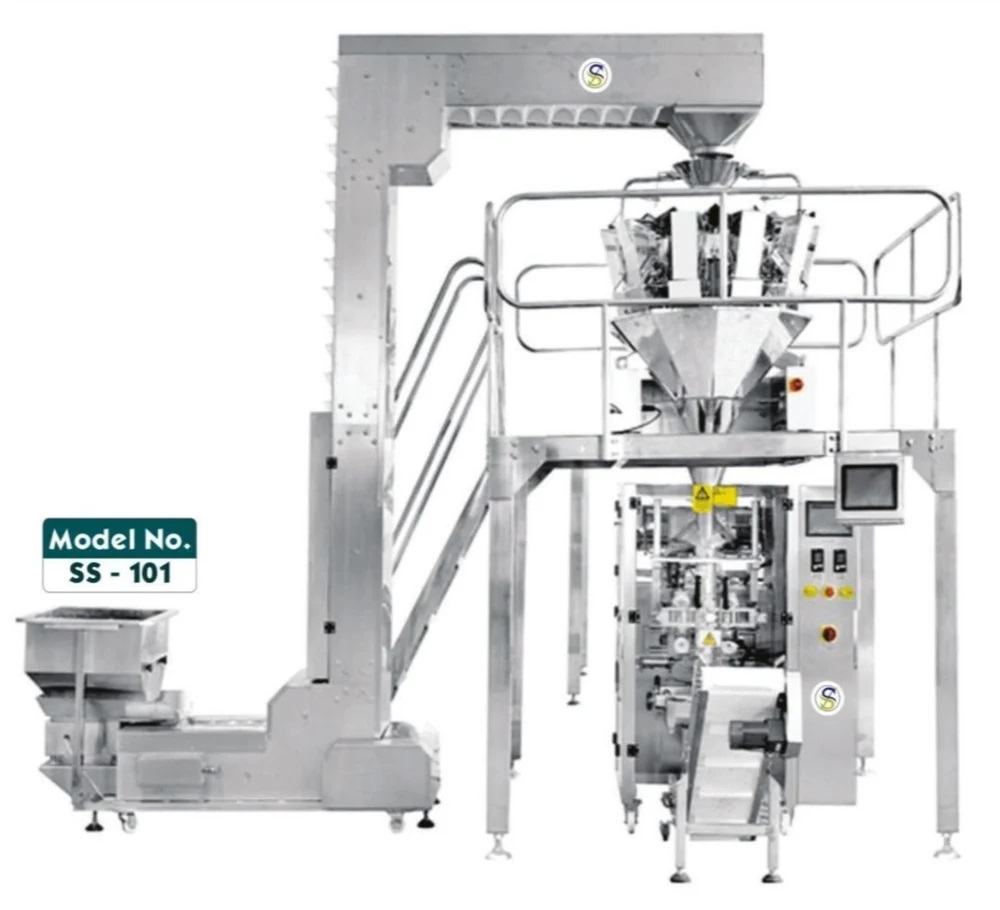 | Multihead Head Packing Machine Multi Head 14 Head Packing Machine Manufacturer & Supplier in Indore | PS Packaging Price: Get Best Price / Request a Quote MOQ: 1 Unit The Multi Head 14 Head Packing Machine from PS... View product → |
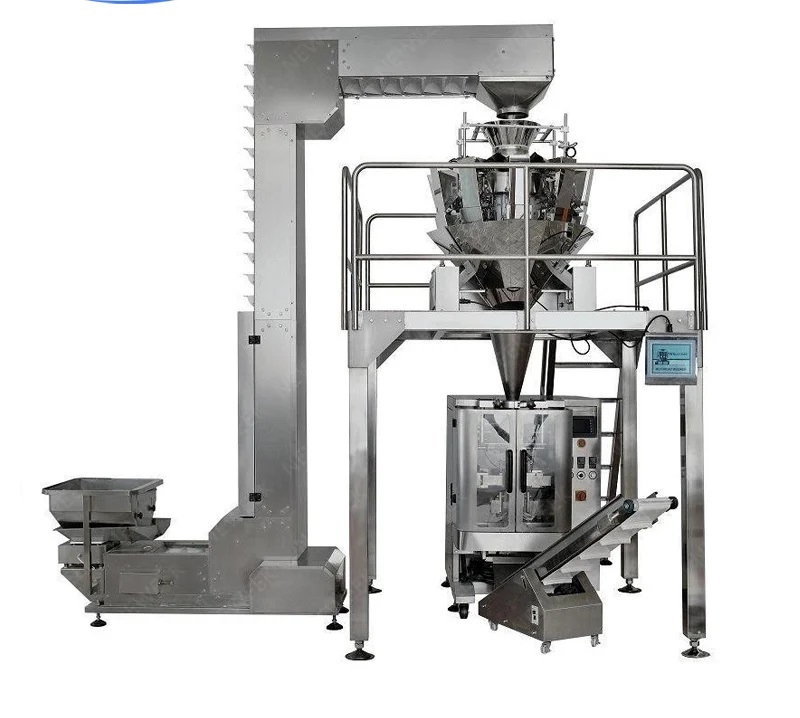 | Multihead Head Packing Machine Multi Head 10 Head Packing Machine Manufacturer & Supplier in Indore | PS Packaging Price: Get Best Price / Request a Quote MOQ: 1 Unit The Multi Head 10 Head Packing Machine from PS... View product → |
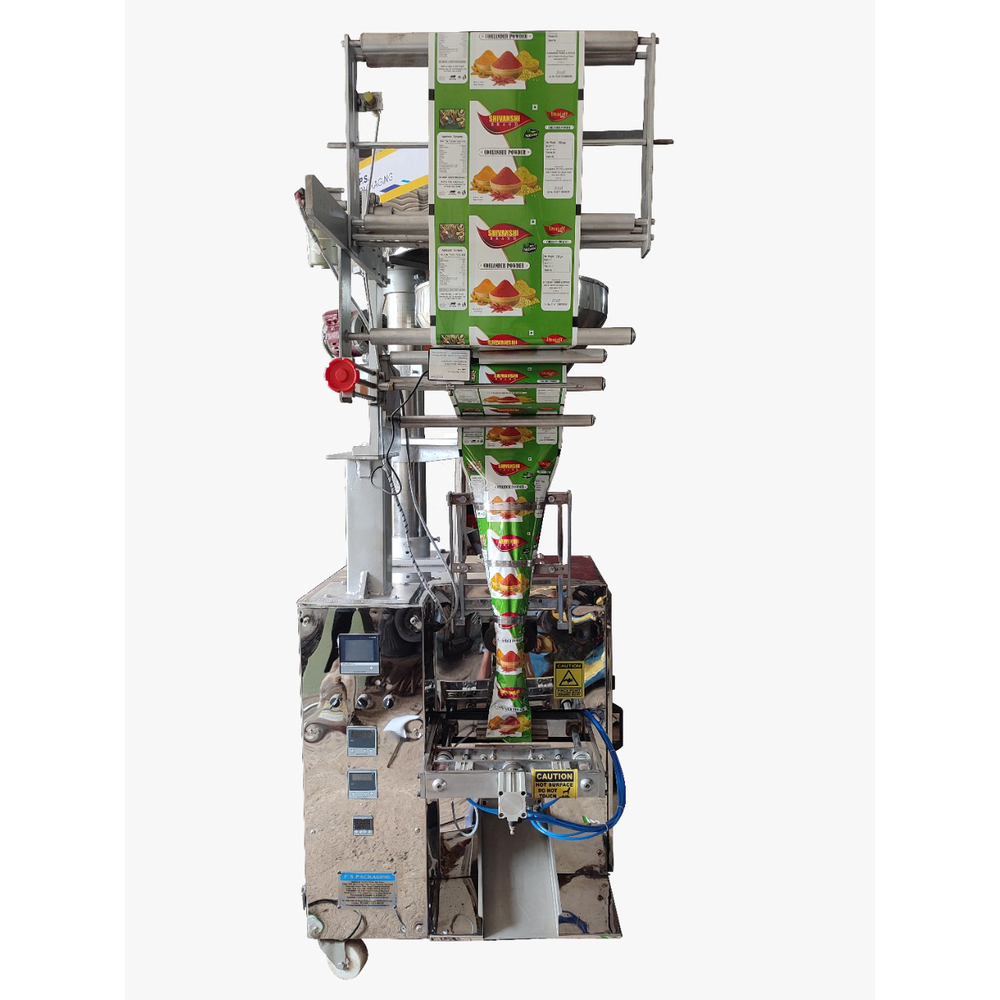 | Industrial Packaging Machine Pneumatic Auger Filler Packing Machine Manufacturer & Supplier in Indore | PS Packaging The Pneumatic Auger Filler Packing Machine from PS Packaging, Indore, Madhya Pradesh is a reliable... View product → |