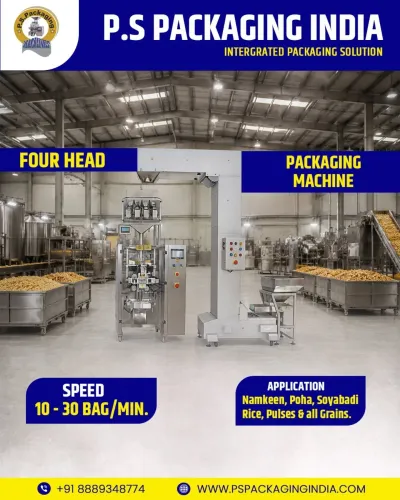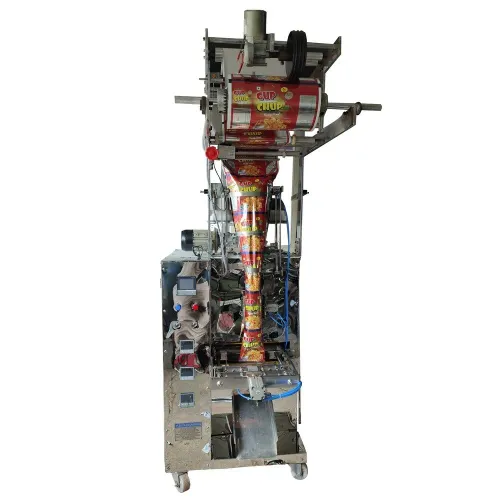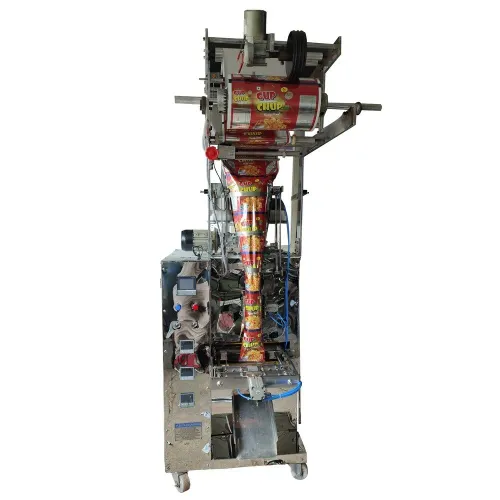


Besan’s fine, cohesive powder affects the filler, hopper, dust controls, film, sealing method, and achievable output you can expect from a packing line. By the end, you will be able to match pack format and weight to the right machine configuration, define a meaningful factory trial, and compare quotations using measurable acceptance criteria.
Key takeaways
- Define pack format, weight, film width, and output before requesting quotes.
- Match auger or other dosing equipment to besan flow and bulk density.
- Test your own besan for weight accuracy, dust control, sealing, and output.
- Compare Patna suppliers on commissioning, operator training, spares, and service response.
Match the besan pack format and weight to the production job
Specify the bag format and target weight before asking for a besan packing machine quotation. Small retail packs, 500 g and 1 kg grocery packs, and large institutional sacks can require different fillers, film widths, sealing arrangements, and output rates.
| Option | Pack format | Suitable arrangement |
|---|---|---|
| Pillow pouch | Laminated film roll, formed and sealed vertically | Auger filler with VFFS machine |
| Centre-seal pouch | Laminated film roll, vertical forming and heat sealing | Auger-and-VFFS line for retail and grocery packs |
| Gusseted bag | Rollstock or pre-made bag with expanded sides | VFFS gusset attachment or dedicated bagger |
| Large sack | Pre-made bag, often with a wider opening | Gross-weigh or net-weigh filler with separate sewing or heat-closing system |
An auger-and-VFFS arrangement usually suits small retail packs and regular 500 g or 1 kg packs. Larger institutional packs can favour gross-weigh or net-weigh bagging, especially when the bag is pre-made rather than formed from rollstock.
Semi-automatic equipment makes sense when volumes are low, seasonal, or change frequently. The operator presents each pre-made bag and starts the dose, reducing automation cost but increasing labour dependence and variation between operators.
State these points in the quotation request:
- Target weights, including tolerance
- Flat bag dimensions and any gusset size
- Laminated film structure, width, and thickness
- Pillow, centre-seal, or pre-made bag format
- Seal type and expected packs per minute
A search for “pepsi packing machine” can mean beverage filling in local trade terms. Pepsi is a liquid, bottle, or can application, not a besan pouch line. Define the product and package before comparing quotations.
Choose the dosing system from besan’s powder behaviour
Fine, cohesive besan can bridge across a small outlet while forming a rat-hole above it. Its particle-size distribution, moisture, fat content, bulk density, and aeration all change how it flows, so an auger screw with hopper agitation is the sensible starting point for an industrial besan packing machine.
| Option | What it handles | When to choose it |
|---|---|---|
| Auger filler | Controlled screw dosing for cohesive powder | Choose it for most besan lines, especially when agitation prevents bridging and the auger is tested with the actual product. |
| Cup filler | Fixed or adjustable volume | Choose it only when besan bulk density stays repeatable; a density change can produce the wrong weight even when the cup volume is unchanged. |
| Multihead weigher | Fast combination weighing | Choose it for discrete or free-flowing products. Use it for fine besan only when the complete system is specifically engineered and trialled for powder. |
Ask the supplier to state whether dosing is volumetric or gravimetric; do not infer it from the machine name. Load-cell-based gross- or net-weight control compensates for some density variation, but the line still needs tare checks, zero checks, and auger-speed or fill-time corrections.
Specify accessible product-contact parts, few dead pockets, food-suitable construction, and a hopper designed for inspection and cleaning. A stainless-steel exterior alone does not make a food packaging machine hygienic. Require the quotation to identify the auger, agitation method, weighing controls, and cleaning access.
Control dust, bridging, and seal contamination on the line
Prevent besan stoppages and leaking pouches by specifying the hopper, auger, transfer path, and VFFS sealing zone as one powder-control system.
1. Use hopper agitation matched to besan’s cohesion, with an auger diameter and pitch that maintain steady dosing without compacting the powder. Keep the outlet and transfer path short, enclosed, and free of ledges where powder can bridge or rat-hole.
Control the product drop so flour does not spray into the forming collar or sealing jaws.
2. Specify the complete VFFS sequence: film unwind, forming collar, auger dose, heat sealing, date or batch coding, and cutting. Flour trapped in the longitudinal seal or cross-seal creates channels and weak bonds, even when the displayed sealing temperature is correct. Separate dosing from sealing where the layout permits.
3. Ask the automatic packing machine supplier to include dust extraction or sealed containment, enclosed transfer points, and earthing where static or combustible dust makes it relevant. Require vacuum cleaning or another method that removes powder; compressed air can redistribute it around the packing room.
Product-contact parts must be accessible, crevice-free, and cleanable—not merely hidden behind a stainless-steel exterior.
4. Make the quotation identify the laminate sealant layer, permitted film width and thickness, sealing-temperature range, and speed compatibility. Check tracking risks from curl, static, excessive slip, and poor coefficient of friction.
Define routine seal-strength or leak checks, and require the food packaging machine to demonstrate stable seals at the intended speed, not only at a bench setting.
Use your own besan to prove weight control and real output
Run the factory trial with your own besan, production film, target bag dimensions, every requested weight, and intended production rate. A besan packing machine that performs well with another flour or an empty hopper has not proved your production requirement.
1. Record the average weight, every individual pack weight, standard spread or range, dosing repeatability, rejected packs, and giveaway. Report giveaway in grams and as a percentage of declared weight. Require the automatic packing machine supplier to state the weighing tolerance and acceptance limit, not merely promise “accurate filling.”
2. Run repeated packs after the machine reaches operating conditions. Continue through hopper refilling and auger-speed or fill-time corrections so the trial exposes density drift, refill effects, and correction behaviour.
3. Measure usable output, not the empty-machine headline. Include film changes, hopper refilling, cleaning, coding-roll changes, operator intervention, seal checks, rejected or reworked pouches, and start-up losses. Record operators required per shift.
4. Request separate results for small retail packs, 500 g, 1 kg, and institutional sizes. Auger diameter and pitch, bulk density, sealing dwell time, and film thickness change the achievable rate and giveaway.
5. Make the quotation list auger and hopper size, change parts, electrical load, coding equipment, film limits, contact-part material, cleaning access, dust control, spares, training, warranty exclusions, commissioning responsibilities, and expected output at each weight. Reject any quote that leaves these conditions undefined.
Compare a Patna supplier on commissioning support, not only machine type
A trial becomes a purchase decision only when both suppliers run your besan, film, target weights, and agreed duration under recorded conditions. A local besan packing for machine supplier in patna can shorten installation and breakdown response, but that advantage does not replace acceptance criteria or spare parts.
| Supplier | Compare during the trial | Record in the quotation |
|---|---|---|
| Patna supplier | Installation, operator training, film validation, auger settings, Patna service response | Filler and hopper size, electrical load, wear parts, warranty exclusions |
| Automatic packing machine supplier | Same besan at each weight and the same run duration | Volumetric or gravimetric dosing, output at every weight, documented weight-variation limits |
| Both suppliers | Film changes, hopper refilling, coding, cleaning, rejected packs and operator intervention | Change parts, film width and thickness limits, coder, dust controls, contact-part materials and cleaning access |
Ask PS PACKAGING for a besan-specific trial and written configuration, then request the competing supplier to match it. Do not treat a general machine listing or headline speed as proof of suitability.
Your approval record should include:
- Average and individual pack weights, variation in grams and percentage, giveaway, rejected packs, and seal quality.
- The buyer’s film structure, sealant layer, coder settings, and auger diameter, pitch, speed, and fill time.
- Hopper agitation, enclosed transfer points, dust extraction or containment, earthing where relevant, and a cleaning method that removes powder rather than redistributing it.
- Wear-part availability, planned response time in Patna, training responsibility, acceptance-test failure limits, and the spare-parts list.
Choose the line that delivers controlled giveaway, clean seals, repeatable output, and manageable operator work at your actual pack sizes.
Related products
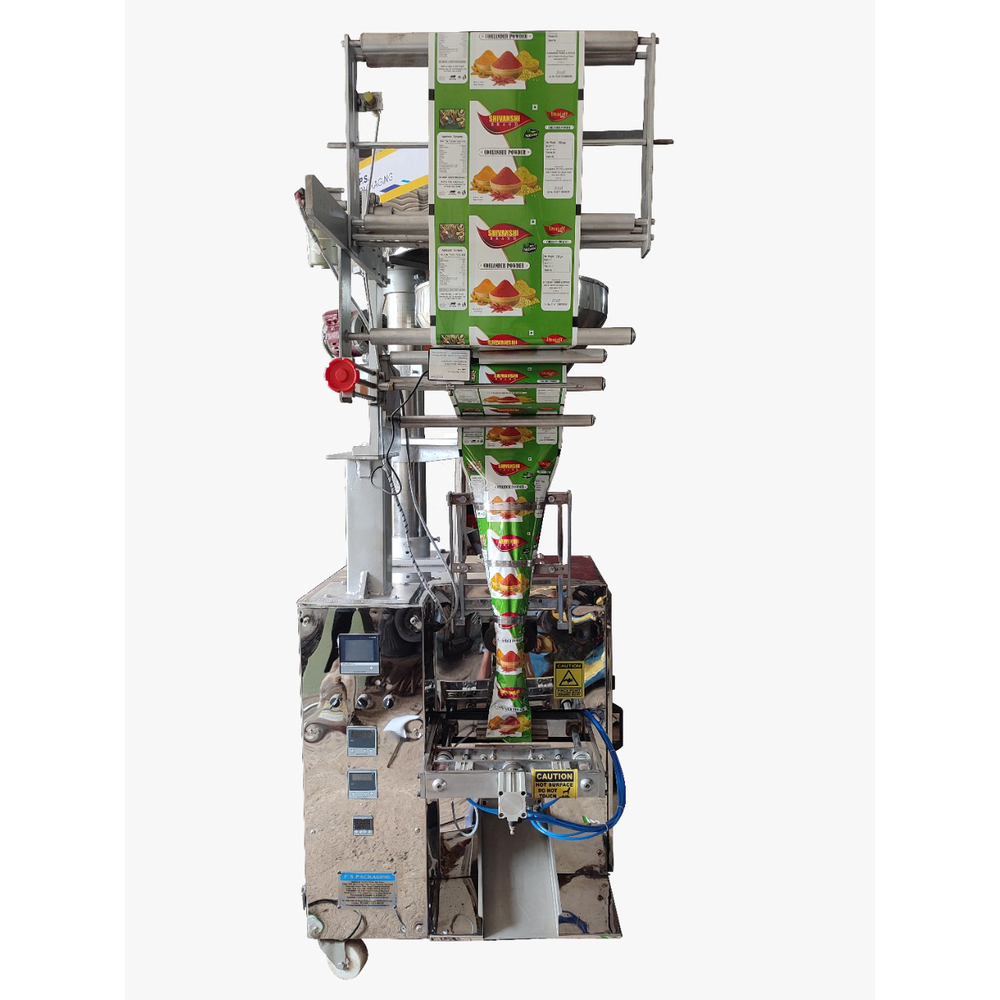 | Industrial Packaging Machine Pneumatic Auger Filler Packing Machine Manufacturer & Supplier in Indore | PS Packaging The Pneumatic Auger Filler Packing Machine from PS Packaging, Indore, Madhya Pradesh is a reliable... View product → |
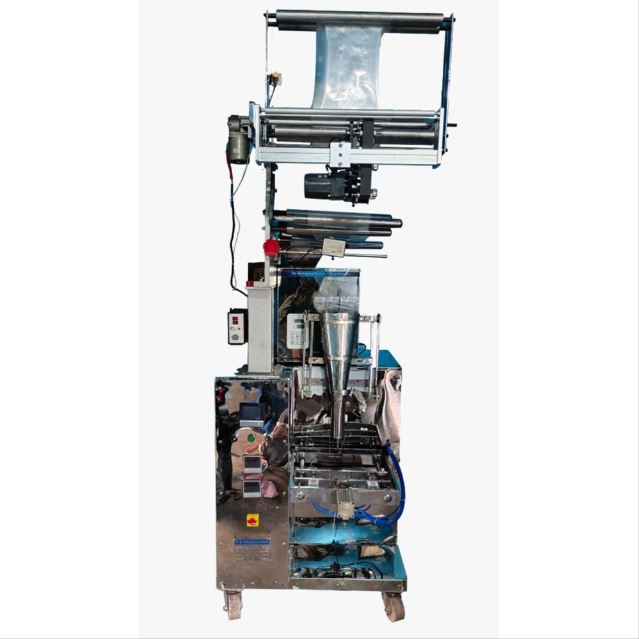 | Industrial Packaging Machine Manufacturer & Supplier in Indore | PS Packaging The Single Head Packing Machine from PS Packaging, Indore, Madhya Pradesh is a durable and efficient... View product → |
Frequently asked questions
How should manufacturers match a besan packing machine to the production job?
Define the pack format, target weight, film width, seal style, and required output first. Small retail pouches, 500 g and 1 kg grocery packs, and institutional sacks can require different filling and sealing arrangements.
Which dosing system suits besan powder?
Choose the dosing system after testing besan’s flow, moisture, bulk density, and tendency to bridge. An auger filler is a common option for powder, but the machine must be validated with your actual besan and target weights.
How can a packing line control besan dust and seal contamination?
Use controlled product transfer, suitable dust extraction, clean forming and sealing areas, and checks that powder has not reached the seal zone. Confirm seal strength and reject packs with contaminated or incomplete seals.
Why should buyers test their own besan before ordering?
Your besan proves whether the machine holds the target weight, maintains output, controls dust, and produces reliable seals. Request a trial using your product, pack material, and intended weights.
What should you compare when choosing a Patna automatic packing machine supplier?
Compare commissioning support, operator training, spare-parts availability, maintenance access, response times, documentation, and test results—not only the listed machine type.
Related products
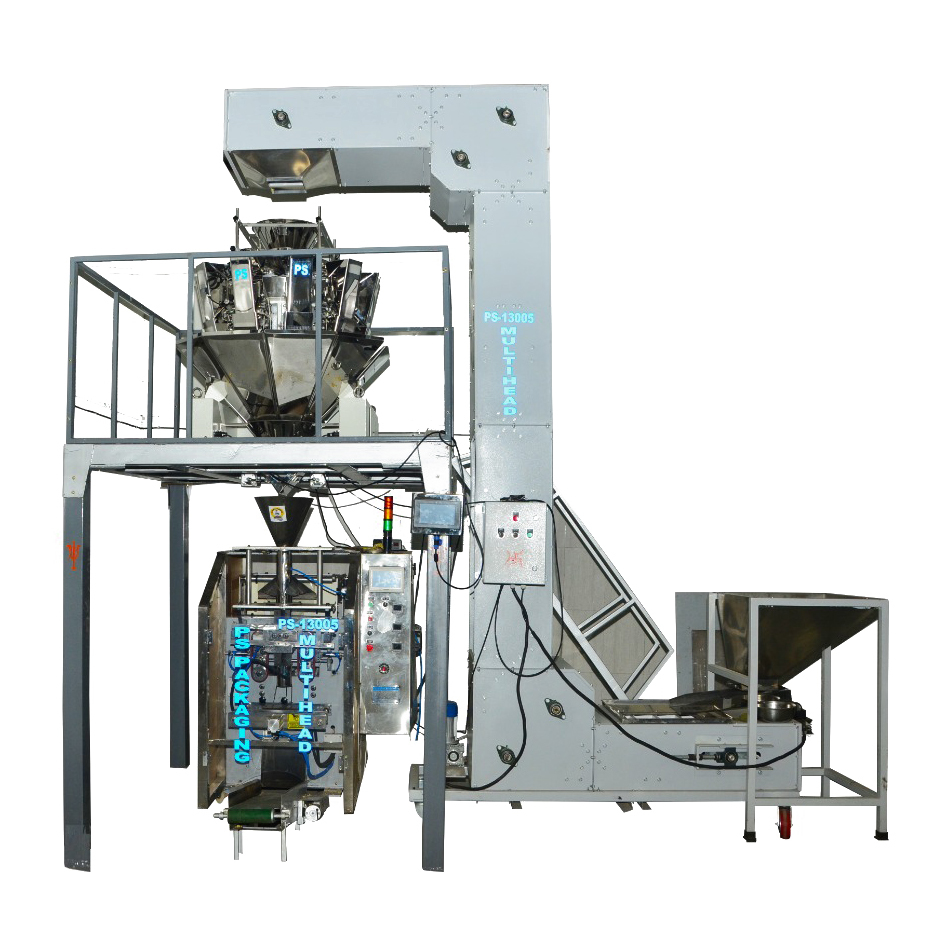 | Multihead Head Packing Machine Multihead Packing Machine The Multihead Packing Machine is a fully automatic, high-speed packaging solution designed for precise weighing, filling,... View product → |
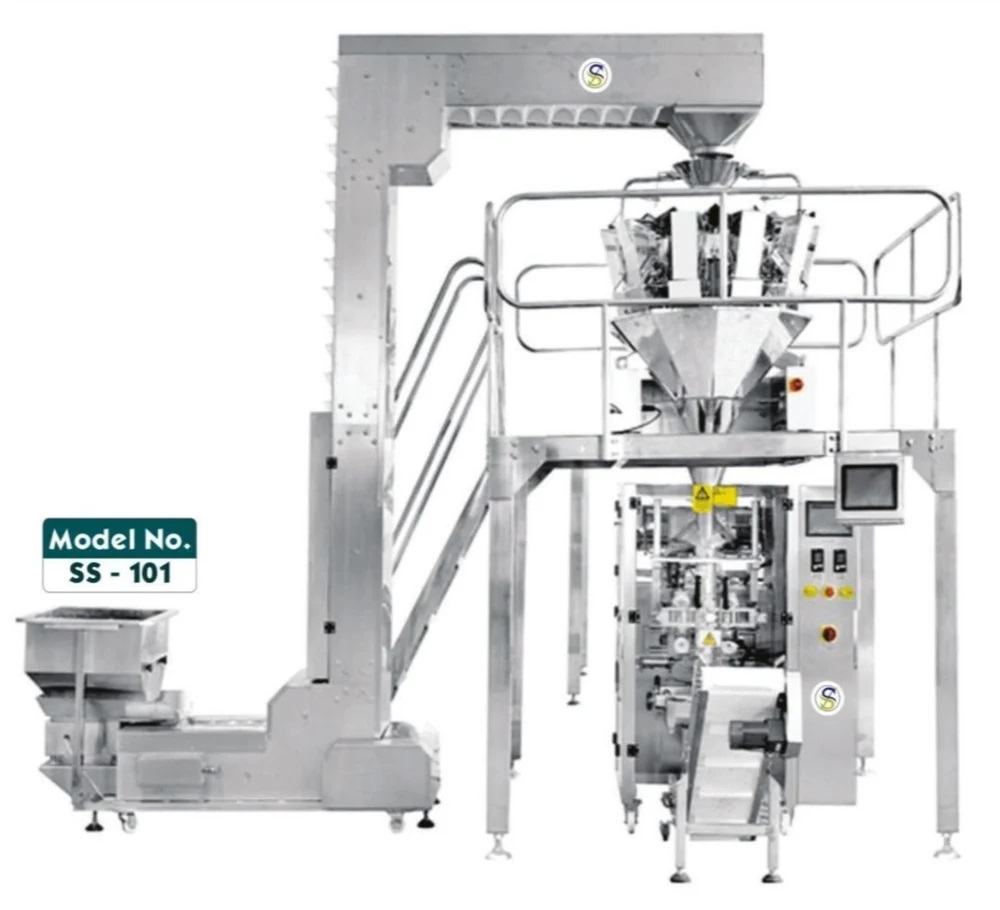 | Multihead Head Packing Machine Multi Head 14 Head Packing Machine Manufacturer & Supplier in Indore | PS Packaging Price: Get Best Price / Request a Quote MOQ: 1 Unit The Multi Head 14 Head Packing Machine from PS... View product → |
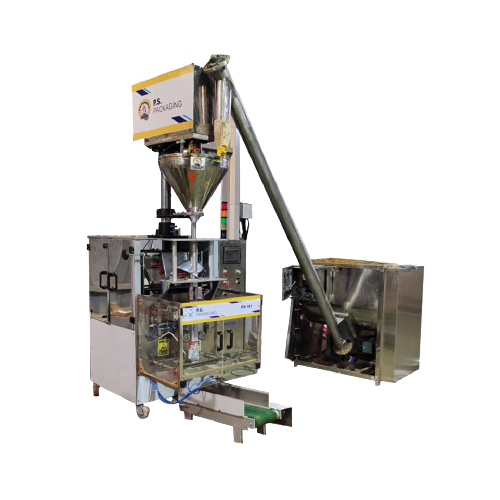 | Servo Auger Filler Packing Machine Collar Type Servo Auger Filler Packing Machine Collar Type Servo Auger Filler Packing Machine The Collar Type Servo Auger Filler Packing Machine is a high-performance packaging solution designed... View product → |