
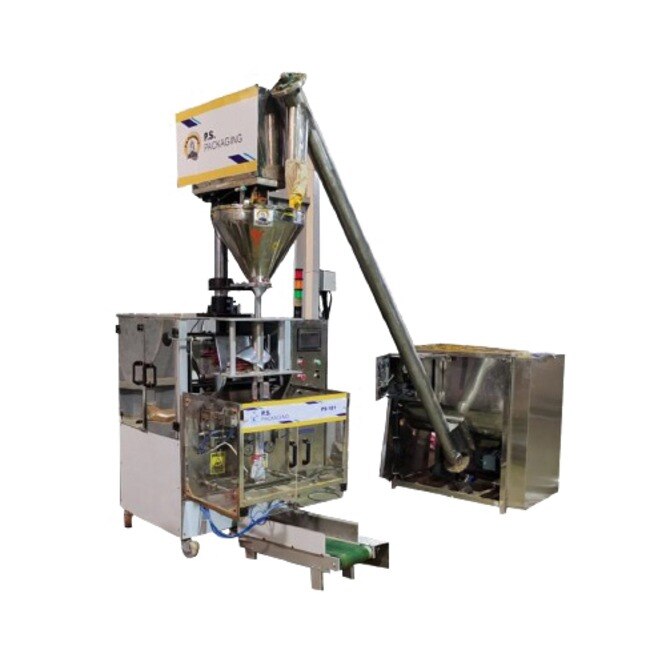
Choosing a flour-packing supplier involves more than finding the shortest distance to a factory. You need to match the dosing method, flour behaviour, pack format, output target, dust controls and after-sales response to the way your plant actually operates. By the end, you will have a practical checklist for comparing machines, suppliers and acceptance tests.
Key takeaways
- Match auger or volumetric filling to flour flow and pack format.
- Choose single head for flexibility; add heads when output justifies them.
- Specify utilities, guarding, controls and changeover details before comparing quotes.
- Run a flour trial and acceptance test to catch weight and sealing faults.
Match the Filling Method to Your Flour and Pack Format
Reliable flour filling depends on powder behaviour, target weight and bag format—not the machine’s advertised cycles per minute. Whole-wheat, refined, gram, millet and blended flours differ in bulk density, flowability and clumping, so a setting that fills 1 kg of refined flour accurately can underfill or overfill a different recipe.
| Method | Best match | Main limitation |
|---|---|---|
| Auger filling | Fine powders in 100 g–5 kg pouches, bags or FFS packs | Bridging, compaction and dust require hopper agitation and extraction |
| Volumetric cup filling | Free-flowing flour blends with stable bulk density | Weight changes when density or moisture changes |
| Multihead weighing | Free-flowing, granular or mixed products requiring high speed | Standard heads do not handle cohesive flour reliably |
| Manual weighing | Low output, frequent trials or many unusual pack sizes | Labour cost, slower output and inconsistent dosing |
Choose a servo auger when you need repeatable dosing for powdery flour and frequent weight changes. Specify whether the line uses pre-made pouches or form-fill-seal film: pre-made bags require dependable separation, opening and sealing, while FFS also depends on film width, thickness, friction, registration and seal performance.
A packaging machine for food industry use must include dust extraction, grounding and safe ignition control because dispersed flour dust can burn explosively.
Treat checkweighing as a verification step, not a cure-all. It identifies finished-pack weight errors; it cannot stop bridging, poor bag opening or flour contaminating the seal. Require a trial using each major flour and film or pouch, with agreed weight tolerance and good-pack rate.
Choose One Head or Multiple Heads by Output and Changeover Needs
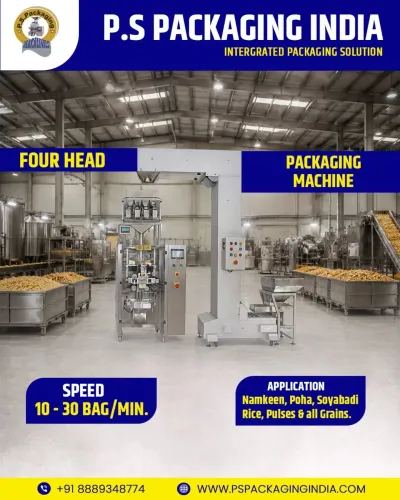
Choose a single-head packing machine when you run low-to-medium volumes, pack many flour SKUs, or change bag sizes and recipes frequently. One dosing or weighing head reduces the number of product-contact parts to clean and reset, so shorter changeovers can outweigh its lower cycle capacity.
| System | Best fit | Main trade-off |
|---|---|---|
| Single head | Multiple bag sizes, frequent flour changes, modest daily demand, limited capital | Lower maximum output and greater dependence on each weighing cycle |
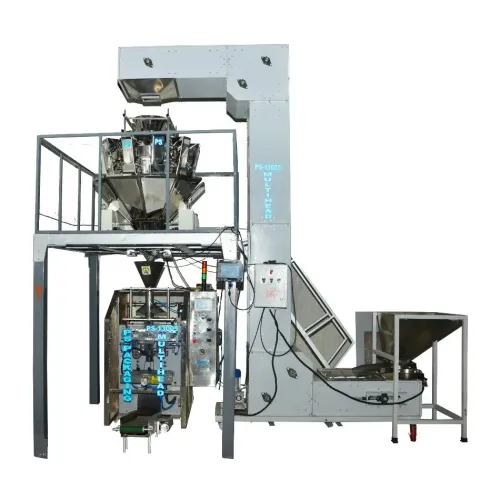
| 10-head | Steady demand across a smaller SKU range, higher bag volumes, planned production runs | More heads to clean, calibrate and keep supplied with product |
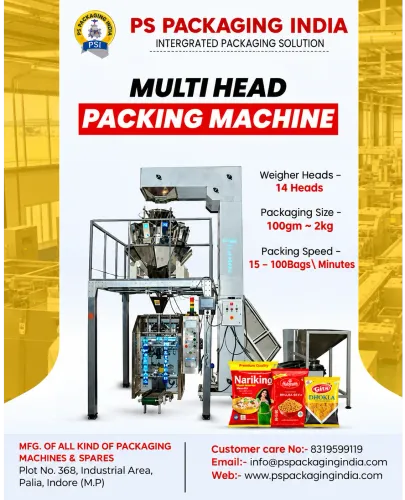
| 14-head | Sustained high output with long runs and few interruptions | Highest equipment cost, space requirement and changeover complexity |
Do not compare quotations using “10-head” alone. Ask whether head means a weigh hopper, auger filler, dosing head or complete packaging lane, then request the expected good-pack rate for your flour and pack weights.
A machine rated at 30 cycles per minute will not deliver 30 saleable bags per minute after film changes, flour refills, dust pauses, rejected packs and cleaning. Require a factory-acceptance test using your flour and packaging material, with agreed weight tolerance, seal quality and good-pack output.
Choose the larger system only when the tested output justifies its added cleaning, maintenance and changeover work. A single-head machine is the better decision when flexibility earns more than unused capacity.
Specify the Machine, Utilities and Safety Controls Before Requesting Prices
Before requesting prices, require each industrial packaging machine manufacturer to issue one line specification, not a standalone speed claim. It must state rated bags per minute at each target weight, permitted weight tolerance, product bulk-density range, changeover time, and whether “head” means a filler, weigh hopper, or complete lane.
| Specification | Supplier must state | Why it matters |
|---|---|---|
| Machine and pack | Target weights, bag dimensions, seal type, accuracy, and output at each SKU | Exposes speed claims that apply only to one product |
| Bag or film | Premade-bag stiffness, gusset and surface treatment; or FFS film width, thickness, friction, sealant layer and print registration | Prevents opening, tracking and seal failures |
| Line interfaces | Product infeed, dust extraction, gas flush, date coder, metal detector or X-ray, checkweigher, reject confirmation, conveyors and case packer; assign responsibility for each connection | Stops a standalone machine from becoming a line bottleneck |
| Utilities | Voltage, phase, frequency, connected load, compressed-air pressure and flow, nitrogen flow and purity, and extraction airflow | Lets you price installation and confirm site capacity |
| Controls and safety | Guards, interlocks, emergency stops, grounding and bonding, ignition-source controls, dust-rated parts, and explosion protection | Links the equipment to your flour-dust risk |
Give the supplier your site's dust-zone classification before accepting an ATEX claim. ATEX Directive 2014/34/EU concerns equipment; Directive 1999/92/EC concerns workplace protection. Ask for:
- Dust extraction performance and cleaning method.
- Explosion venting, suppression or isolation provisions where the risk assessment requires them.
- Separate figures for dosing accuracy, finished-pack checkweighing, reject confirmation and seal inspection. A checkweigher cannot correct bridging, dust on a seal or poor bag opening.
Judge “Near Me” by Commissioning, Service and Spare-Parts Coverage
Treat the search phrase “flour packing machine supplier near me” as a service-coverage search, not a quality guarantee. A supplier 20 kilometres away is the better choice if it can commission your line, send a trained technician within an agreed response time, and stock the parts that stop production.
Ask every automatic packing machine supplier to document:
- Who performs installation, commissioning and operator training at your site
- The response time for remote diagnosis and an on-site breakdown visit
- Which auger, sensor, sealing, pneumatic and control-system spares are held locally
- The lead time for non-stock parts and the support available for the installed PLC, HMI and drives
- Whether the supplier will run a site trial using your flour, bags or film, compressed air and power supply
- Who owns interfaces for dust extraction, coding, checkweighing, metal detection, conveyors and reject confirmation
Automatic equipment still needs labour for flour replenishment, film or bag loading, cleaning, changeovers, reject removal and fault recovery. Compare those minutes per shift, not just the quoted cycles per minute.
Your evaluation must also cover flour dust. Require documented provisions for extraction, grounding and bonding, ignition-source control, and explosion protection where the risk assessment calls for it. PS PACKAGING should be assessed on these commissioning and support commitments, not simply its Indore location. A nearby factory is useful; dependable coverage keeps it useful after installation.
Related products
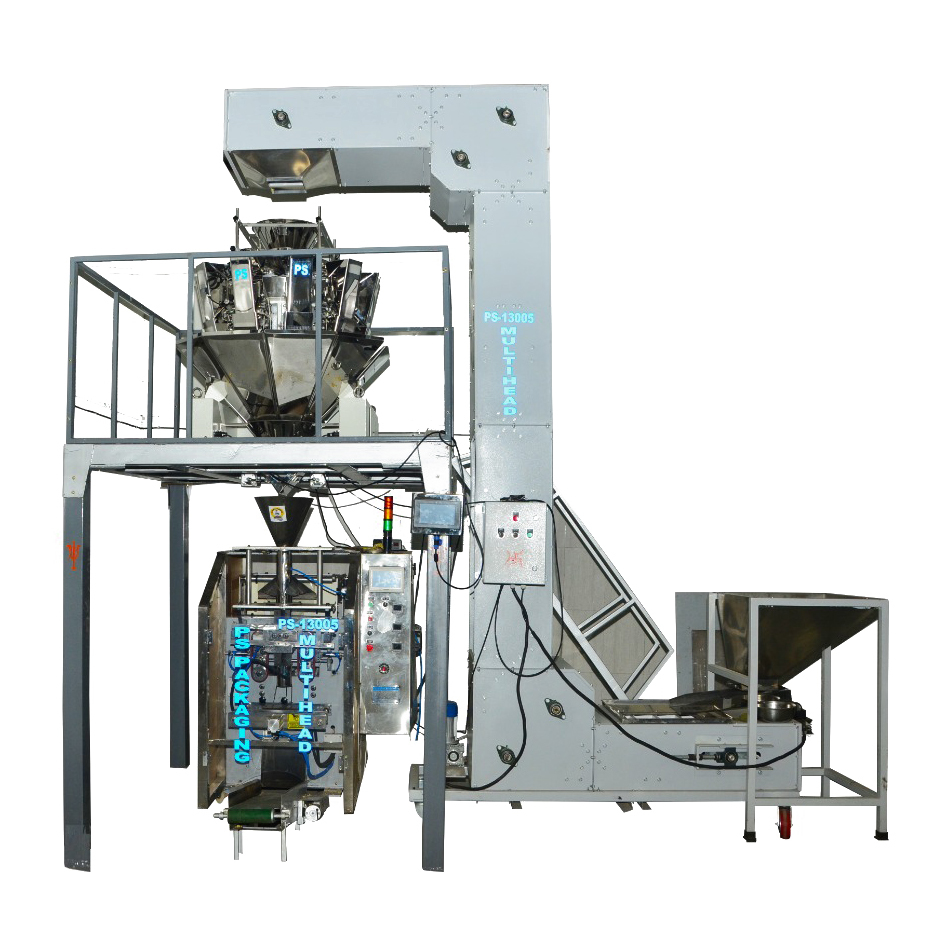 | Multihead Head Packing Machine Multihead Packing Machine The Multihead Packing Machine is a fully automatic, high-speed packaging solution designed for precise weighing, filling,... View product → |
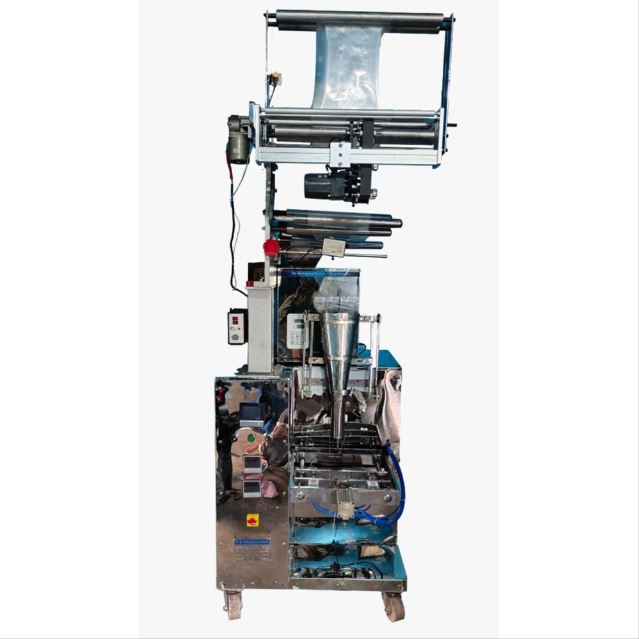 | Industrial Packaging Machine Manufacturer & Supplier in Indore | PS Packaging The Single Head Packing Machine from PS Packaging, Indore, Madhya Pradesh is a durable and efficient... View product → |
Use a Flour Trial and Acceptance Test to Prevent Common Packing Failures
Do not accept a quoted cycles-per-minute figure as proof of performance. Require a witnessed site acceptance test using your actual flour, bags or film, utilities and intended pack sizes. Run enough product to expose bridging, rat-holing, compaction, refill interruptions, dust pauses, film changes and rejected packs.
Agree the pass criteria before the trial:
- Net weight: every pack must fall within the documented tolerance, with giveaway recorded separately.
- Sealing: inspect for flour trapped in the seal, incomplete seals, wrinkles, leaks and weak seal strength.
- Saleable-pack rate: count accepted packs after rejects, stoppages and seal failures, not just machine cycles.
- Effective output: measure good packs per minute through filling, sealing, coding, checkweighing and rejection.
- Product handling: verify hopper geometry, auger, agitator or vibration settings with each flour type; excessive agitation can change bulk density.
- Reject control: confirm that an underweight, overweight or poorly sealed pack is detected, removed and recorded.
Test start-up, normal running, hopper refill and a controlled stop-and-restart. A checkweigher confirms finished-pack mass but cannot prevent flour on the seal or a badly opened bag. Include dust extraction, grounding, ignition control and the interfaces for coding, inspection, conveyors and case packing.
Sign the acceptance document only when the complete line produces the agreed good-pack rate safely.
Frequently asked questions
How do you match a filling method to different flours?
Compare bulk density, flowability, clumping and target weight, then test the flour in its intended bag format before selecting the filling system.
When should you choose a single head packing machine?
Choose a single head when you need flexible production, frequent product changes or lower output; use multiple heads when higher throughput justifies added equipment and changeover planning.
What should you specify before requesting a machine price?
Give the flour types, target weights, pack dimensions, output requirement, electrical supply, compressed-air availability, product-contact requirements, guarding and control needs.
What makes a flour packing machine supplier genuinely near you?
Assess commissioning response time, technician coverage, operator training, spare-parts availability and support across the machine’s working life—not only travel distance.
Why run a flour trial and acceptance test?
A trial confirms fill accuracy, dust control, sealing performance, pack appearance and changeover results using your flour, film and target pack sizes.
Related products
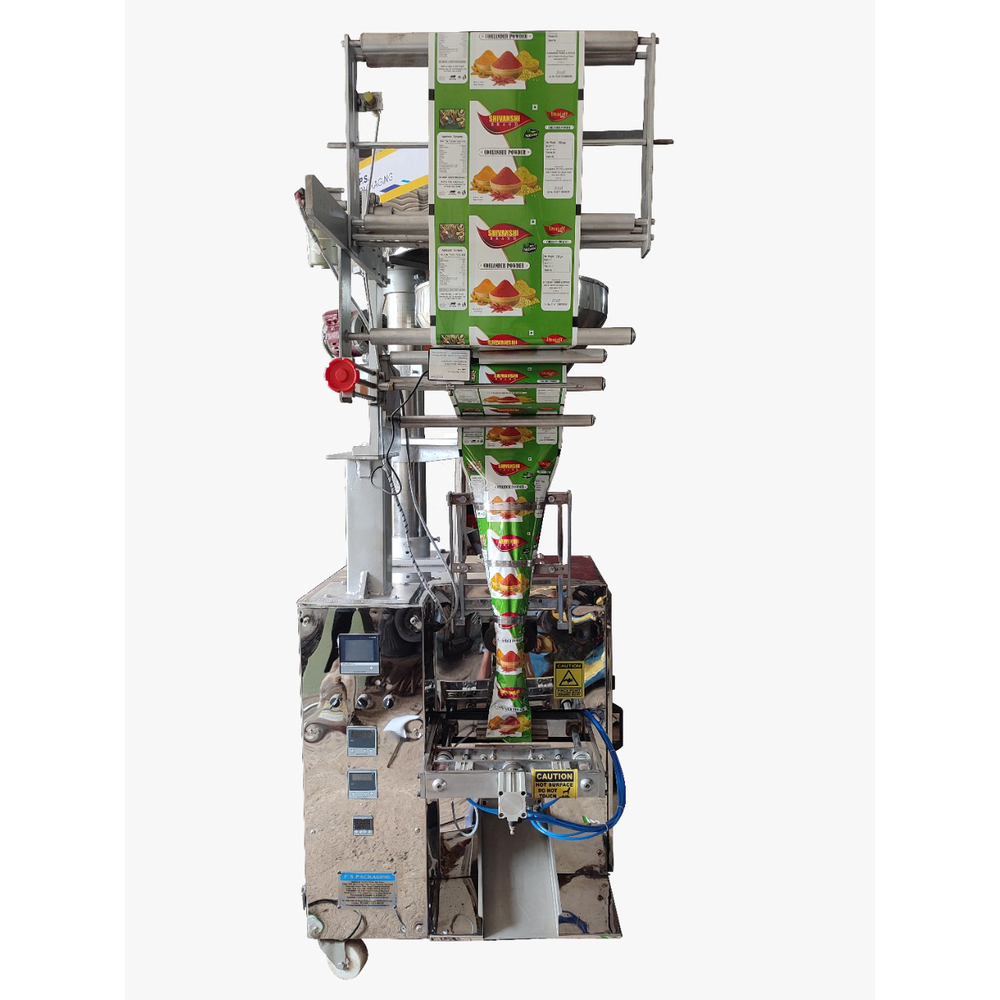 | Industrial Packaging Machine Pneumatic Auger Filler Packing Machine Manufacturer & Supplier in Indore | PS Packaging The Pneumatic Auger Filler Packing Machine from PS Packaging, Indore, Madhya Pradesh is a reliable... View product → |
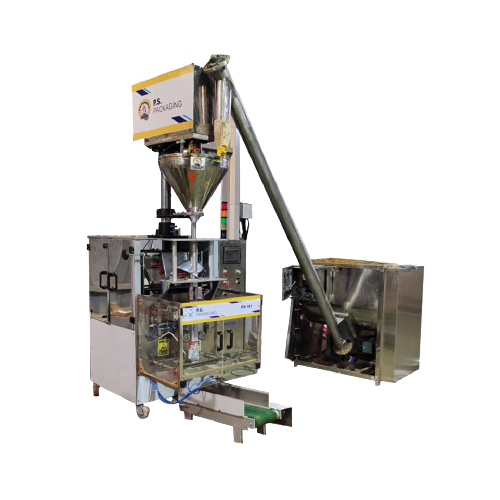 | Servo Auger Filler Packing Machine Collar Type Servo Auger Filler Packing Machine Collar Type Servo Auger Filler Packing Machine The Collar Type Servo Auger Filler Packing Machine is a high-performance packaging solution designed... View product → |
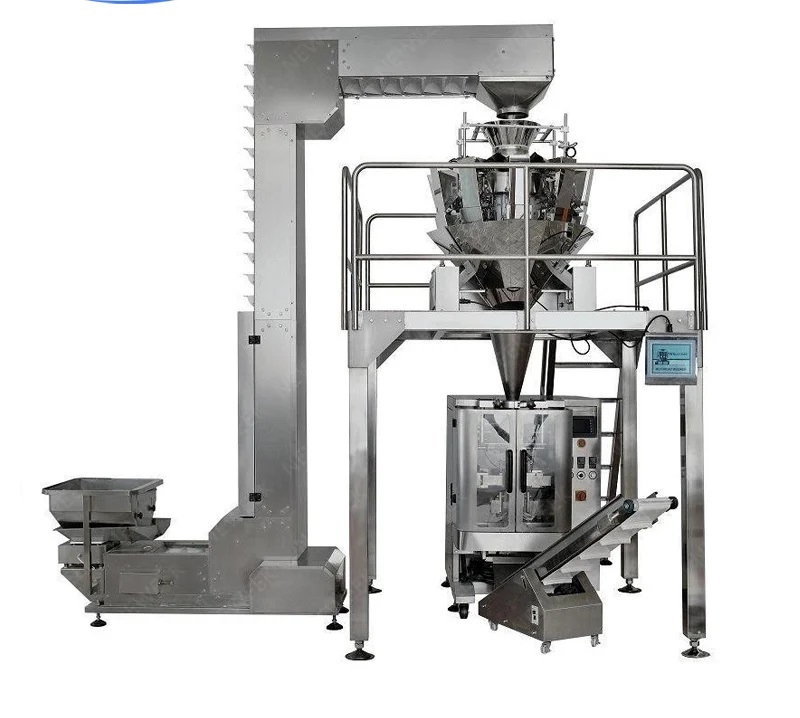 | Multihead Head Packing Machine Multi Head 10 Head Packing Machine Manufacturer & Supplier in Indore | PS Packaging Price: Get Best Price / Request a Quote MOQ: 1 Unit The Multi Head 10 Head Packing Machine from PS... View product → |
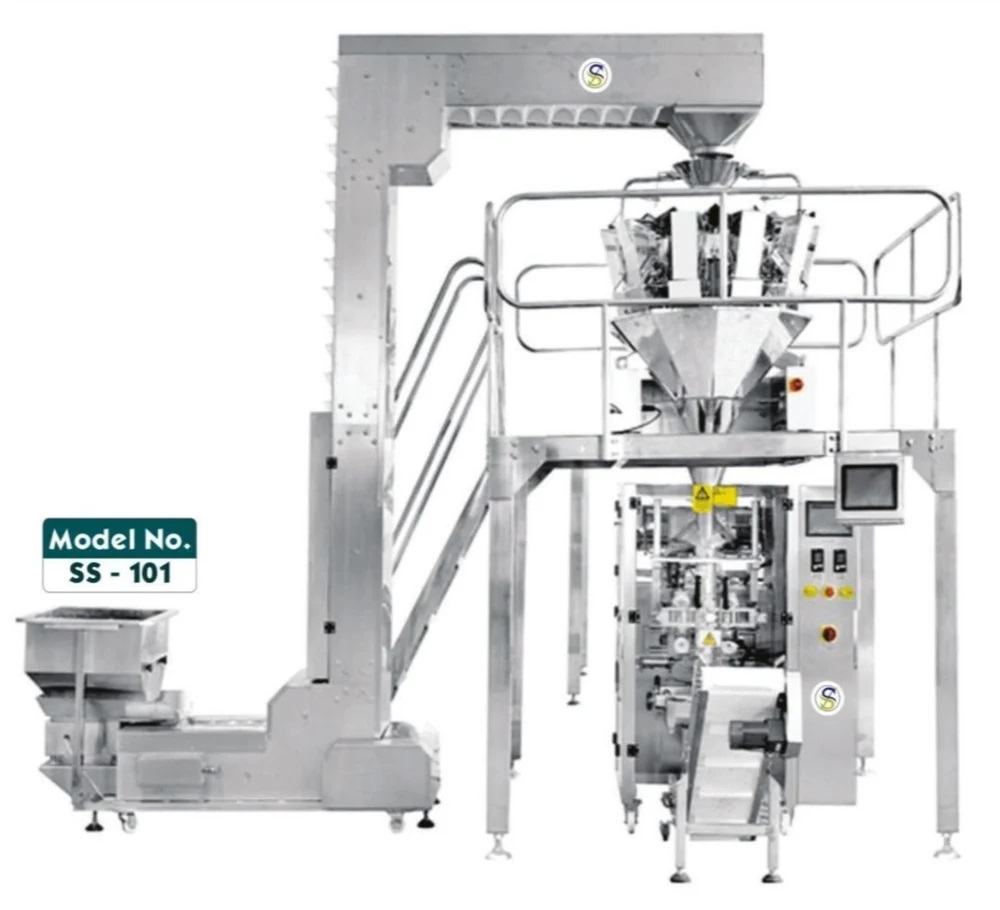 | Multihead Head Packing Machine Multi Head 14 Head Packing Machine Manufacturer & Supplier in Indore | PS Packaging Price: Get Best Price / Request a Quote MOQ: 1 Unit The Multi Head 14 Head Packing Machine from PS... View product → |