
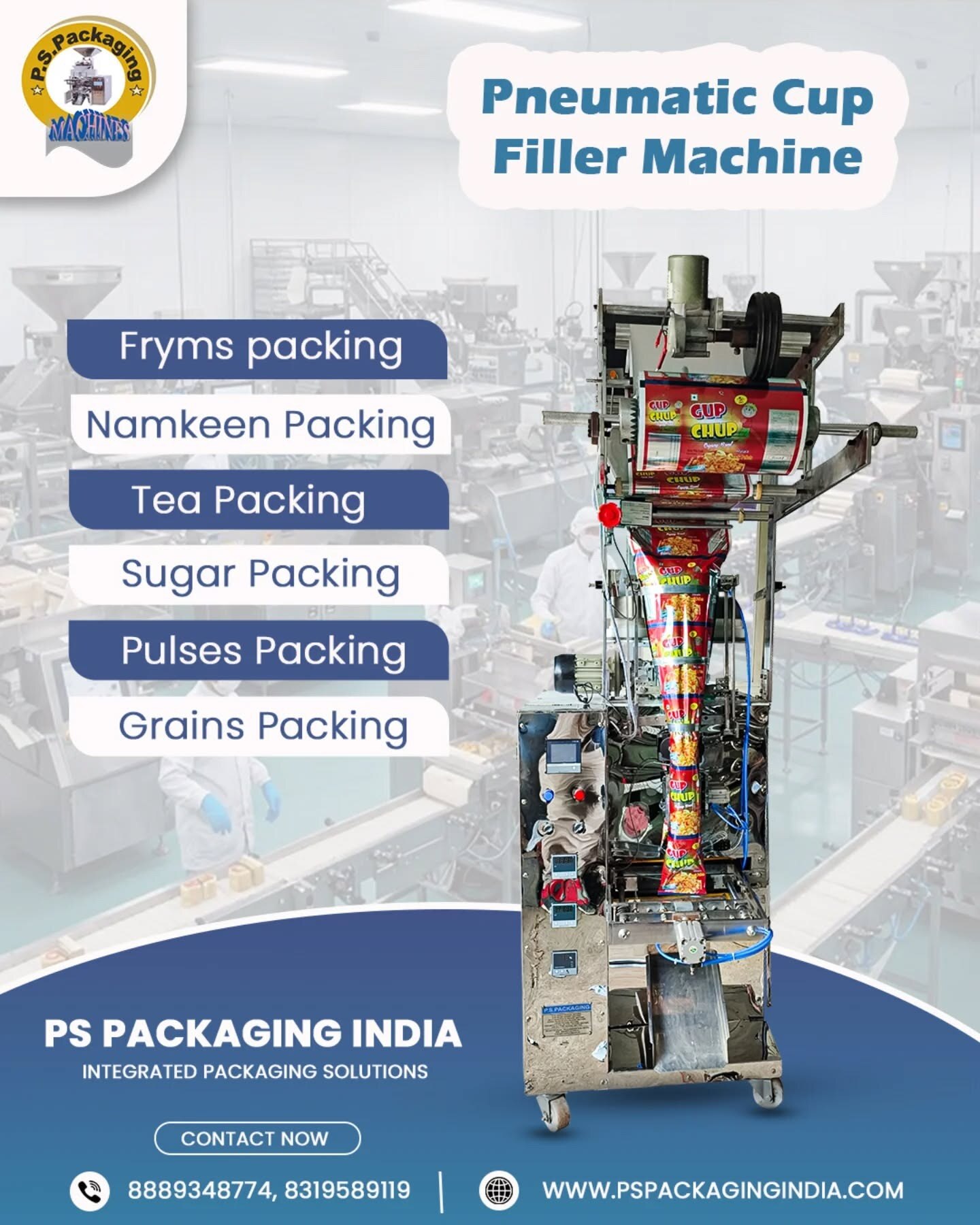
A servo auger line can pack seasoning powder, sev and consistent granules well, but irregular fried mixtures often need a multihead weigher instead. By comparing product behaviour, machine scope, trial results and quote inclusions, you can determine the right dosing system and judge whether a supplier’s price reflects a usable production line.
Key takeaways
- Choose servo augers for powders, premixes and small uniform granules.
- Use multihead weighers for irregular snacks such as peanuts, sev and fried pulses.
- Request product trials, accuracy results, service terms and machine specifications before buying.
- Compare total packaging machine cost in India, including tooling, spares and installation.
Is a servo auger filler suitable for your namkeen?
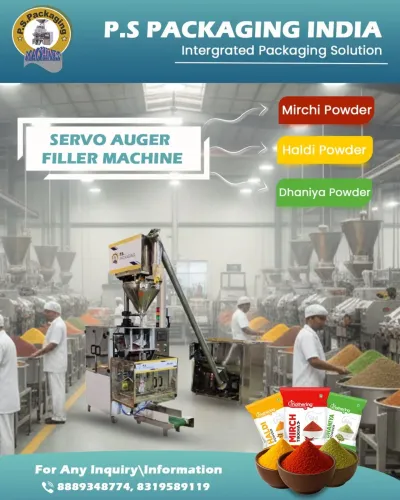
A servo auger filler suits seasoning powder, fine premix and controlled, small uniform granules—not every namkeen. An auger filler machine doses by rotating a screw, so sev, peanuts, fried pulses and irregular or fragile snacks can bridge, break or receive uneven fills. Servo control improves rotation and indexing; it does not guarantee fixed accuracy.
Bulk-density variation, particle size, oil content, hopper agitation, auger geometry, compaction and target gram weight all affect results.
Test the exact product sample and record:
- Bulk density, measured by weighing a known-volume container
- Flow behaviour: free-flowing, sticky, bridging or compacting
- Oiliness and seasoning adhesion
- Particle size, shape and breakability
- Target fill weight and permitted tolerance
| Product type | Preferred dosing system | Why |
|---|---|---|
| Seasoning powder or fine premix | Servo auger filler | Controlled screw volume suits powder flow |
| Small, uniform free-flowing granules | Auger or cup filler | Consistent particles produce repeatable doses |
| Sev with peanuts or fried pulses | Multihead combination weigher | Separate weighments handle mixed sizes and densities |
| Irregular or fragile fried snacks | Multihead combination weigher | Gentler discharge reduces crushing and underweight packs |
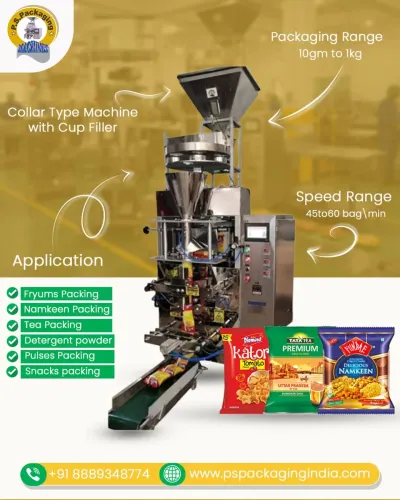
A multihead combination weigher usually fits mixed solid namkeen better because it selects combinations by weight instead of forcing pieces through an auger tube. Choose a servo auger namkeen packing machine when trials show stable flow and repeatability within your tolerance.
For a broader packaging machine for snacks, specify the product sample—not merely the machine name.
Servo auger, multihead weigher, cup filler or pneumatic auger?
For seasoning powder, fine premix or controlled granules, a servo auger filler machine offers the best balance of repeatability and recipe control. Irregular mixtures of peanuts, fried pulses or fragile pieces usually belong on a multihead weigher, not an auger filler.
| Option | Product fit | Practical trade-off |
|---|---|---|
| Servo auger | Powders and consistent granules | Servo control indexes auger rotation and recipe-based dosing; recipes change at the control panel, but bridging or density variation still causes errors |
| Multihead weigher | Irregular mixed namkeen and fragile pieces | Strong product fit and repeatability, with higher capital cost and more weigh-head cleaning |
| Cup filler | Free-flowing products with consistent bulk volume | Simple, quick operation, but cup volume does not correct density variation |
| Pneumatic auger | Cost-sensitive powder applications | Lower-control flexibility, plus compressor, air treatment and pneumatic maintenance |
A servo system can reduce giveaway and product damage through controlled auger movement. It still cannot repair a poor product match. Compare changeover time, hopper access, auger removal, cleaning effort and contact-part replacement—not only advertised speed.
A pneumatic auger also carries compressor electricity, air leakage and filter maintenance costs. For a small packaging machine for snacks, that trade-off may suit stable powder products.
Do not compare supplier packs-per-minute claims without the product, pouch format, target weight, film width, auger revolutions or weighments, and included coder, nitrogen system and discharge equipment. The right namkeen packing machine is the one that passes your product trial.
What does a namkeen packing machine cost in India?
A basic semi-automatic weighing or auger station sits in the low-lakh range in India. An automatic servo auger plus vertical form-fill-seal (VFFS) line commonly moves into the mid- to high-lakh range, while a multihead snack line with nitrogen flushing, coding, metal detection, conveyors and packing tables costs substantially more.
These are budgeting bands, not a final quote for a namkeen packing machine.
The packaging machine price in India changes with:
- Auger diameter, servo rating and filling range
- Pouch width, length and sealing configuration
- Required dosing tolerance and product weight
- Stainless-steel grade and contact-part construction
- Automation level, date coder and nitrogen system
Ask the supplier to separate the base machine from extras. The quotation may include the filler, VFFS unit and standard hopper, but often prices auger tooling, a bucket elevator, compatible-film trials, date coder, gas equipment, conveyors, freight, installation, commissioning, GST and other taxes separately. Confirm each item in writing before comparing totals.
Do not compare a semi-automatic station’s operator-dependent packs per minute with a fully automatic FFS cycle rating. In the first setup, an operator places pouches or transfers doses; handling time affects output and weight consistency. For an accurate comparison, specify the product, target weight, pouch format, film width, dosing method and every included accessory.
A low initial quote can become expensive when nitrogen flushing, coding, conveying and commissioning are added later.
How should you test an automatic packing machine supplier?
Accept a supplier quotation only after a trial with your exact namkeen, target pouch weights and intended film. Record the mean weight, repeatability, giveaway percentage, maximum underweight frequency, seal-leak rate and sustained packs per minute; a catalogue demonstration with an easier product proves little.
Your acceptance sheet must specify:
- Pouch format, film width and thickness
- Number of weighments or auger revolutions
- Coding, nitrogen flushing, discharge conveyor and every included accessory
Compare quotations using evidence, not a machine-name price.
| Quotation evidence | What to record | Why it matters |
|---|---|---|
| Trial result | Mean weight, giveaway, underweight frequency | Exposes dosing variation |
| Output claim | Sustained packs per minute with your pouch and product | Prevents inflated speed comparisons |
| Seal performance | Leak rate and test method | Finds failures hidden by attractive fill rates |
| Scope | Coder, nitrogen, discharge and tooling included | Prevents later additions to the packaging machine price in India |
| Compliance file | Declarations and test documents | Separates claims from usable documentation |
Ask the automatic packing machine supplier about changeover time, recipe storage, tool-free auger removal, hopper access, contact-part material, cleaning limits, electrical load, compressed-air requirement, spare parts, operator training, installation and after-sales response. PS PACKAGING is one supplier in Indore or elsewhere you can ask for this product trial, a scope-based quotation and an operating specification.
Before approval, verify Legal Metrology declarations, applicable weighing approvals, verification and sealing requirements, plus food-contact film documentation and FSSAI packaging compliance. A PLC weight display does not itself prove legal weighing approval, and a film that runs smoothly is not proof of food-contact compliance.
What happens from hopper loading to a finished pouch?
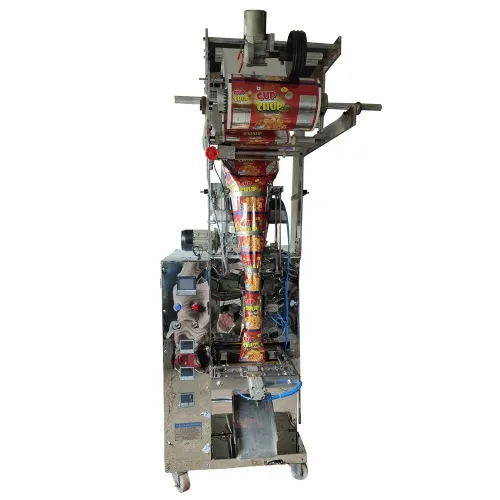
Loading starts at the hopper, where the operator checks the namkeen recipe and removes foreign material. The servo auger meters the product into formed film; the vertical packaging machine for snacks then fills, seals, cuts, codes and discharges each pouch.
| Stage | Operator control | Failure if ignored |
|---|---|---|
| Hopper and auger | Check flow, bridging, product level and dose setting | Weight variation or product breakage |
| Film forming and filling | Check film tracking and keep product below the seal | Wrinkled packs or contaminated seals |
| Sealing and cutting | Verify jaw temperature, pressure and seal appearance | Leakers, weak seals or distorted pouches |
| Coding and discharge | Check code legibility, pouch count and leak performance | Untraceable or rejected packs |
Check fill weight at start-up and at set intervals, recording the mean, variation and underweight results. Oil or seasoning trapped in the seal prevents clean film contact, so higher speed will not solve leakers.
A nitrogen nozzle alone proves nothing about shelf life: confirm gas flow, residual oxygen or headspace performance, barrier-film suitability, seal integrity, product temperature and frying-to-packing time.
After each run, isolate the machine, access every product-contact surface, remove the auger without tools where possible, and clean the hopper, tube and sealing area. Peanut and dairy seasoning blends require documented recipe changeover, allergen cleaning and inspection before the next SKU. Ask an automatic packing machine supplier to demonstrate these controls.
Buy the auger line when trial samples stay within the specified range; choose another dosing system when the product breaks, bridges or varies beyond the trial limits.
Frequently asked questions
Is a servo auger filler suitable for every type of namkeen?
No. Servo augers suit seasoning powder, fine premix and controlled small uniform granules. Sev, peanuts, fried pulses and irregular or fragile snacks can bridge, break or fill unevenly.
How does a servo auger compare with a multihead weigher, cup filler or pneumatic auger?
A servo auger meters powder and small uniform granules with a rotating screw. A multihead weigher suits irregular snack pieces and target-weight dosing. Cup fillers suit free-flowing products with consistent bulk density, while pneumatic augers suit simpler auger dosing where servo control is unnecessary.
What does a namkeen packing machine cost in India?
The price depends on the filler type, speed, pouch format, weighing accuracy, sealing system, automation, tooling, installation and service package. Compare the complete delivered configuration rather than the machine base price alone.
How should you test an automatic packing machine supplier?
Run your actual namkeen through the proposed machine and check fill-weight variation, product breakage, sealing quality, changeover time, cleaning access and sustained output. Request specifications, trial results, warranty terms, spare-parts details and service response commitments.
What happens from hopper loading to a finished namkeen pouch?
The product enters the hopper, moves through the selected dosing system, drops into the formed pouch, and passes through sealing and discharge. The line also controls film indexing, pouch detection, weighing or auger rotation, seal temperature and finished-pack rejection.