
A wafer filler that produces light packs, broken pieces, double cups, or frequent stoppages is not automatically ready for replacement. Start by isolating the fault, measuring the loss, and checking whether the product, film, controls, and safety systems remain supportable; then compare a documented repair with a tested replacement against the output you actually need.
Key takeaways
- Trace faults from wafer dosing through pouch sealing before pricing replacement.
- Recover the cup filler when wear, calibration, or controls cause the loss.
- Replace it when repair downtime and repeat failures exceed replacement risk.
- Test wafer flow, bulk density, film, speed, and seal quality before approval.
Find the Fault Before You Price the Machine
Identify the loss by following the product-to-pouch path, not by pricing a replacement first. On the wafer packing machine, separate dosing, transfer, film tracking, sealing, indexing, drive, controls, and safety faults. Replacing the cup filler will not cure poor wafer feedability, unsuitable film, crumb-contaminated seals, or unstable bulk density.
- Weigh consecutive packs and inspect the filler cups, cup drive motor, hopper agitation, and product level. Inconsistent cup volume points to dosing.
- Check the cup stack, separator, cup chute, pneumatic cylinder, solenoid valve, and air regulator. Double cups or missed fills usually begin here.
- Test proximity sensors and film-registration sensors for loose mounting, contamination, or intermittent signals.
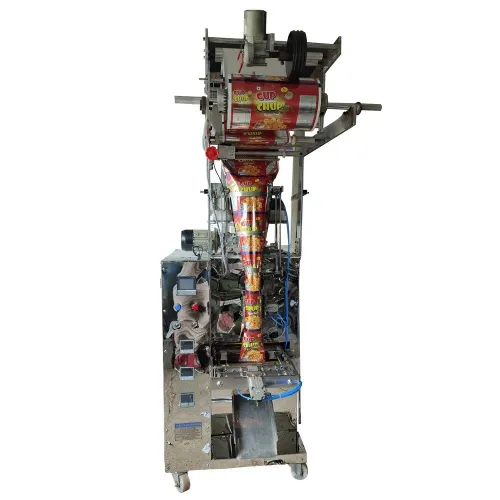
- Watch the forming collar, film path, vertical sealing jaws, and horizontal sealing jaws during a complete cycle.
- Inspect discharge and reject handling for wafer breakage, blocked transfer points, and false rejects.
- Read PLC or HMI alarms, then verify indexing, motor operation, electrical supply, and safety-circuit stops.
- Record pouch dimensions, film structure, target weight, fault codes, photographs, and whether the machine is collar-type VFFS before requesting a quotation.
| Symptom | Likely source | Confirmation |
|---|---|---|
| Underweight packs | Cup volume, bulk density, or product level | Weigh 30 consecutive packs |
| Double cups | Worn separator or poor cup-stack alignment | Observe one complete dispense cycle |
| Missed fills | Blocked chute, cylinder, solenoid, or air pressure | Test actuation and air pressure |
| Intermittent cycles | Proximity sensor or wiring | Monitor the input while cycling |
| Open seals or crushed wafers | Jaws, film tracking, drop height, or discharge | Inspect packs and observe transfer timing |
Decide Whether the Cup Filler Can Be Recovered
Start with repeatability, not machine age. If the same wafer recipe produces weights within your approved tolerance after basic setup, recovery is plausible. If variation remains with a verified cup set and stable product bulk density, the filler needs refurbishment or replacement rather than another setting change.
- Adjustment is indicated when underweight or overweight packs follow a consistent pattern, the cups are clean and undamaged, and the drive, sensor position, product level, and air pressure respond to correction. Record repeated checks at start-up and during the run.
- Refurbishment is indicated when a worn cup separator causes double cups, a blocked chute causes missed fills, or a pneumatic cylinder, solenoid valve, bearing, or proximity sensor causes intermittent operation. Replace the failed component, then repeat the weight and cycle tests.
- Replacement is indicated when dose variation continues across multiple cup sets, the drive or frame has excessive play, controls fail intermittently, or replacement parts and electrical documentation are unavailable. A repair quotation that addresses only the emergency-stop button also leaves guarding and interlocked access risks unresolved.
In a collar type cup filler packing machine, accurate cups do not guarantee a usable wafer pouch. Stable weights with poor film tracking, a wrong forming collar, or leaking vertical or horizontal seals point to adjacent equipment, not the filler.
Approve recovery only after a sustained trial records weight distribution, missed or double fills, broken wafers, film registration, seal integrity, reject operation, and recovery after a controlled stop. Sporadic success is not evidence of a recovered machine.
Calculate When Continued Repair Becomes the Riskier Choice
Replacement becomes more defensible than repair when the wafer packing machine cannot hold required output, weight control, or pack format after a documented repair. Age alone is weak evidence; repeated loss is stronger.
Calculate the real annual burden, not just the service invoice:
- Add repair parts, labour, emergency call-outs, and planned refurbishment.
- Multiply downtime hours by the contribution margin lost per production hour.
- Add the cost of underweight or rejected packs, wafer breakage, film waste, and missed orders.
- Price the controls retrofit separately if the PLC, HMI, safety relay, drive, or sensor network is obsolete and supported replacements are unavailable.
- Include custom fabrication when the existing machine cannot accept the required pouch dimensions or sealing arrangement.
- Treat recurring frame distortion, sealing-frame damage, exposed wiring, failed interlocks, or inaccessible food-contact surfaces as replacement evidence, not routine maintenance.
Compare this total with the installed replacement cost over your approved payback period. A machine that appears cheap to repair becomes expensive when each stoppage interrupts a full shift or sends inconsistent packs to dispatch.
Do not replace the machine to cure a feed problem. Poor wafer geometry, unsuitable film, unstable bulk density, excessive drop height, or aggressive vibration will follow a new machine.
Require a trial using your wafers, recipe, film, target weight, and settings; record sustained output, weight distribution, broken-product percentage, seal integrity, reject operation, and recovery after a controlled stop.
Match the Replacement Filler to the Wafer and the Run
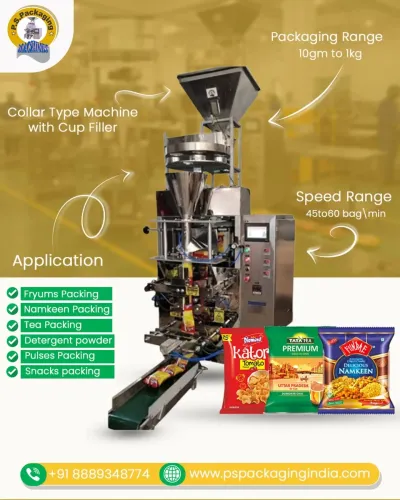
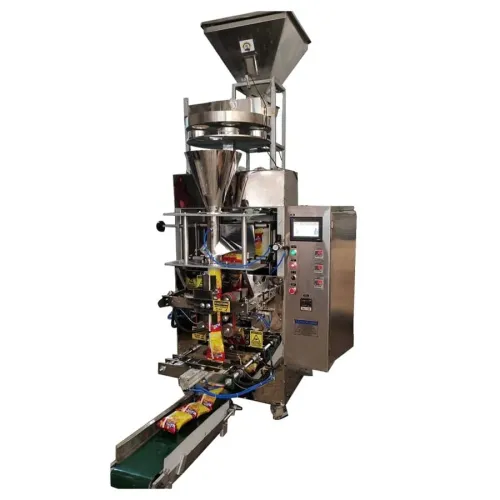
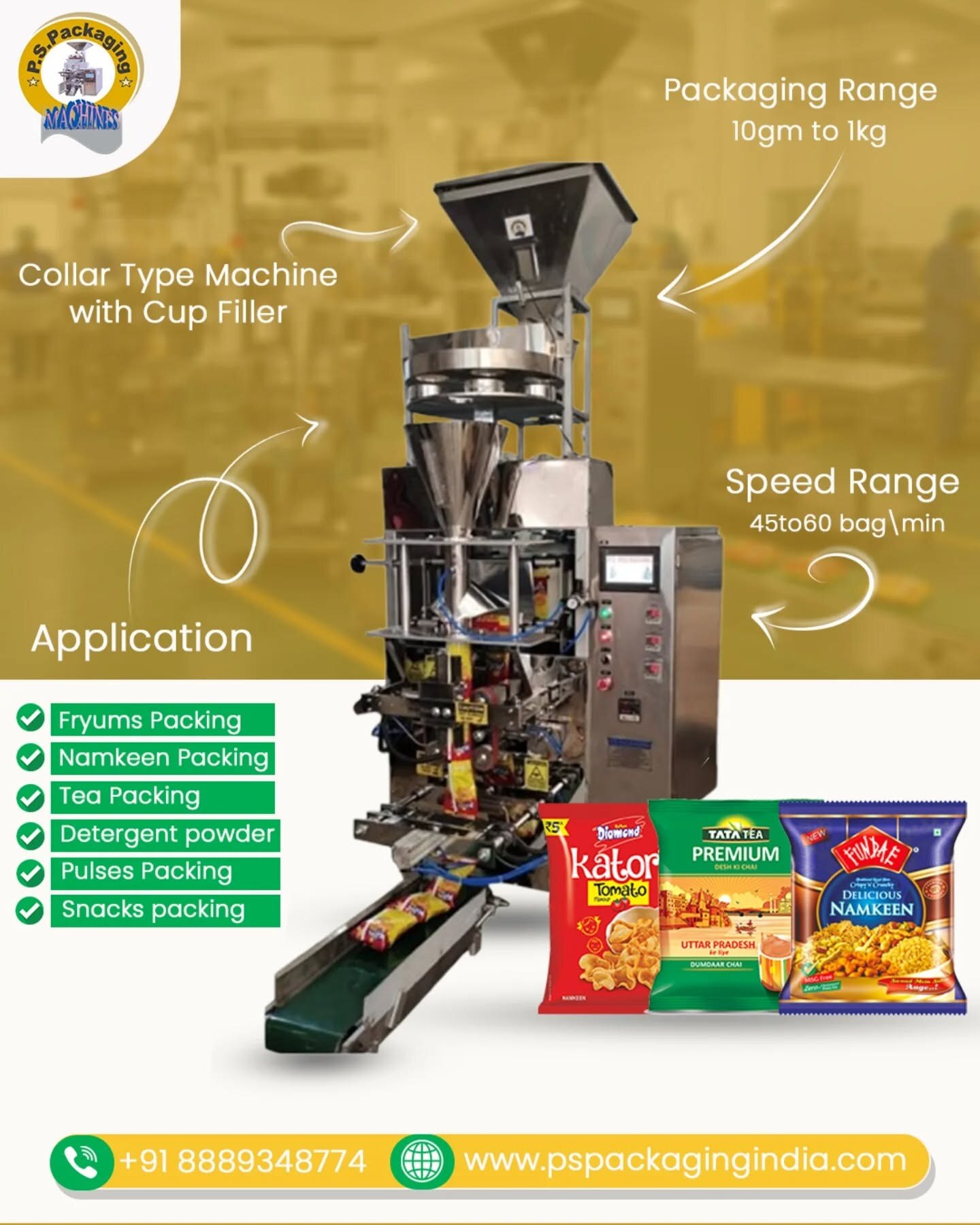
A collar type cup filler packing machine is the safest starting point for wafers when pieces are fairly uniform and the target dose is volumetric. Do not choose it solely because the existing cup set still works: a new pouch size may require a forming collar, film width, vertical jaws, and horizontal jaws.
| Option | Best fit | Main wafer risk | Check before choosing |
|---|---|---|---|
| Cup filler | Uniform wafer pieces and fixed pack weights | Inconsistent bulk density changes weight | Run the actual wafer geometry at target speed |
| Auger filler | Fine, cohesive powders or crumb-heavy blends | Screw contact and compression cause breakage | Reject it if whole wafers enter the auger |
| Multihead weigher | Irregular pieces, mixed sizes, and several target weights | Drops and gates can crack wafers | Measure drop height, vibration, and discharge timing |
| Other packaging machine for snacks | Fragile wafers needing gentler product transfer | A format change may add film and changeover cost | Compare product path, seal system, and reject handling |
Choose the filler only after tracing the complete route: hopper agitation, dosing, product drop, forming tube, longitudinal seal, end seal, discharge, and reject. A better dose will not fix crumbs trapped in the end seal or wafer breakage at the conveyor.
Require a trial using your wafers, recipe, film structure, target weight, and production settings. Record sustained output, weight distribution, broken-product percentage, seal integrity, film tracking, reject accuracy, changeover time, and recovery after a controlled stop. Reject any machine that passes only with a generic snack sample.
Require Proof Before Authorising Repair or Replacement
Do not approve a repair or replacement from a parts list and a speed claim. Require evidence that the proposed work will produce acceptable packs with your wafers, film, and target weight.
1. Send the automatic packing machine supplier the make and model, pouch dimensions, target weight, film width and structure, product characteristics, electrical supply, fault codes, photographs, and machine format. State whether it uses a collar-type VFFS system.
2. Ask for a written fault report separating dosing, film tracking, sealing, indexing, drive, sensor, PLC/HMI, and safety-circuit faults. For a repair, require photographs of failed parts, the root cause, corrective action, parts availability, estimated downtime, warranty period, and the post-repair test method.
3. Require repeated weight checks at start-up and during a sustained run. Record the average, minimum, maximum, and number of packs outside your permitted weight range; nominal cup volume does not prove accuracy when bulk density, moisture, particle size, or bridging changes.
4. For replacement, demand a trial using your actual wafers, recipe, film, target weight, and settings. Record sustained output, broken-wafer percentage, seal integrity, film tracking, reject operation, changeover time, and recovery after a controlled stop.
PS PACKAGING can help compare a cup set with the forming collar and sealing assemblies, preventing a service quote from treating a format change as a filler-only repair. If you are seeking wafer packing machine cup filler repair in Indore, use the same evidence checklist before authorising work.
Related products
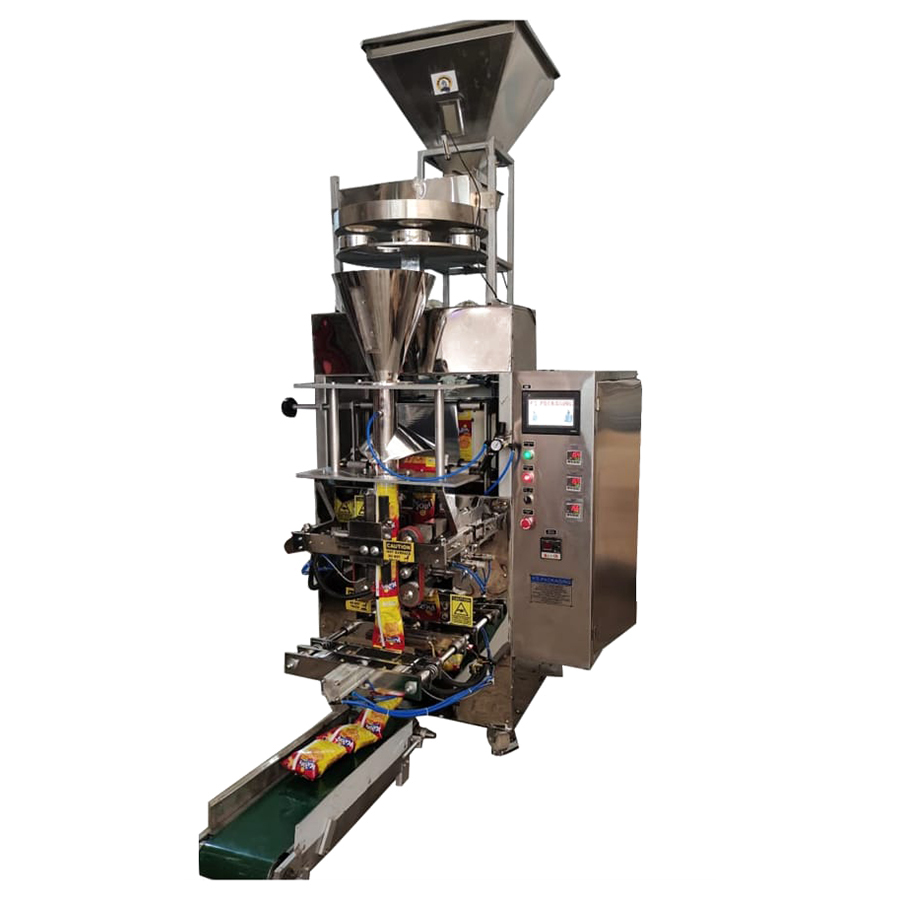 | Industrial Packaging Machine Collar Type Cup Filler Packing Machine The Collar Type Cup Filler Packing Machine is a robust and efficient packaging solution designed to deliver accurate filling and reliable sealing for... View product → |
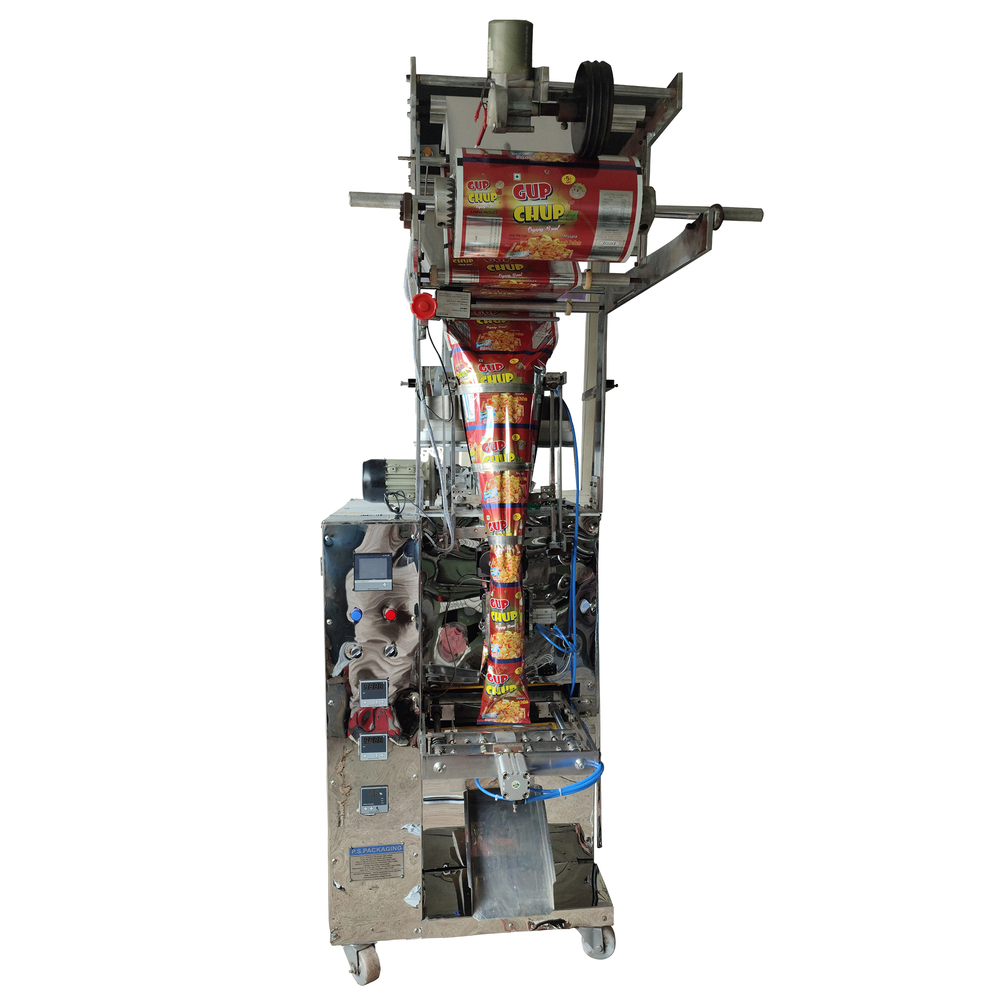 | Industrial Packaging Machine Pneumatic Cup Filler Packing Machine Manufacturer & Supplier in Indore | Patna | Nagpur -PS Packaging The Pnematic Cup Filler Packing Machine from PS Packaging, Indore, Madhya Pradesh is... View product → |
Frequently asked questions
How do you find a wafer packing machine cup filler fault?
Follow the product-to-pouch path and separate dosing, transfer, film tracking, sealing, indexing, drive, controls, and safety faults before pricing equipment.
When can a wafer packing machine cup filler be recovered?
Recovery makes sense when inspection identifies serviceable wear parts, calibration errors, contaminated sensors, or repairable drive and control faults.
When should you replace the cup filler instead of repairing it?
Choose replacement when repair downtime, repeat failures, obsolete controls, unsafe operation, or accumulated repair cost create greater production risk.
What must a replacement filler match?
Match the filler to wafer dimensions, breakage risk, bulk density, target weight, pouch size, film, line speed, and the required sealing process.
What proof should you require before authorising work?
Require a fault report, measured test results, repair scope, replacement specifications, trial packs, seal checks, weight records, and a written warranty.
Related product
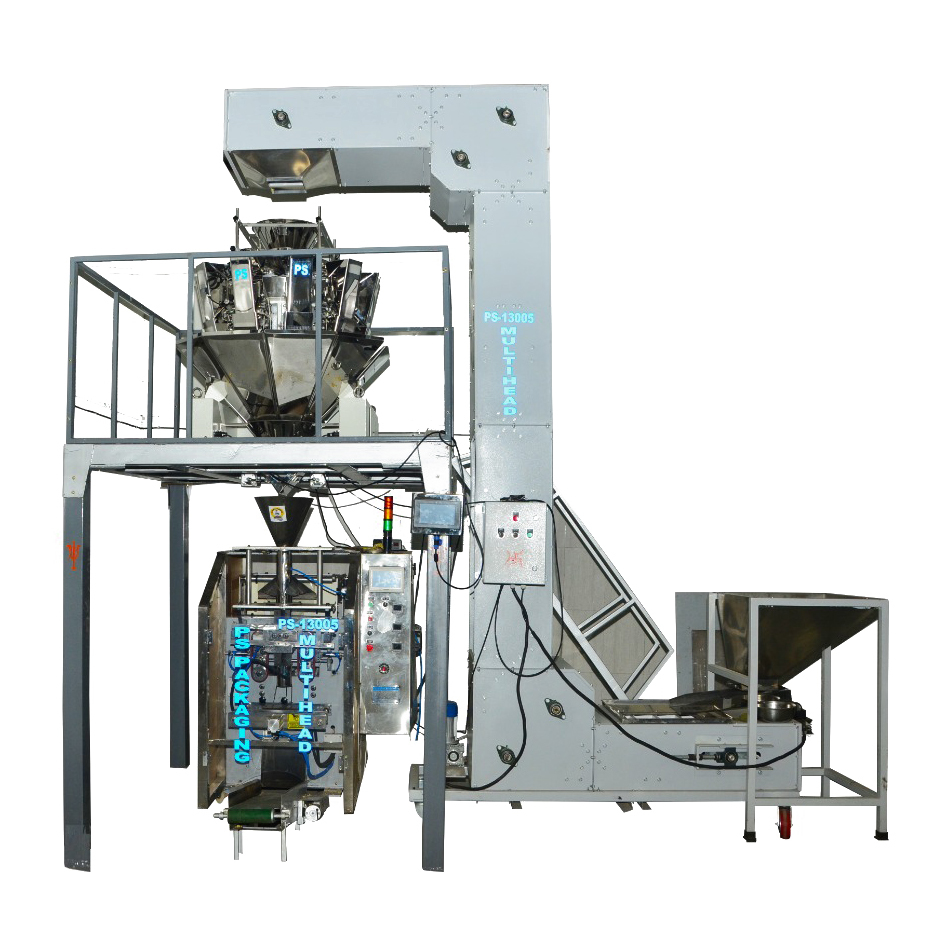 | Multihead Head Packing Machine Multihead Packing Machine The Multihead Packing Machine is a fully automatic, high-speed packaging solution designed for precise weighing, filling,... View product → |