

Monsoon humidity, hot incoming spice, condensation and airborne dust can destabilise filling and sealing even when the packing room feels comfortable. You will learn how to identify the failure mechanism, set practical inspection limits, compare dosing systems and specify a machine trial that reflects Indore conditions.
Key takeaways
- Control spice temperature and humidity before tuning the machine.
- Use an auger for cohesive powders and a weigher for free-flowing particles.
- Check film moisture, dust buildup and jaw temperature before blaming the machine.
- Demand a monsoon-condition trial using your spice, film and target pack weight.
How Indore’s Heat and Monsoon Humidity Change the Packing Environment
A machine that passes a dry-room trial can struggle in Indore’s monsoon because the test controls the air, while production exposes the powder, film and machine to changing heat and moisture. Pre-monsoon heat raises equipment and spice temperatures; monsoon air adds moisture ingress.
A room can feel dry while turmeric, chilli powder, coriander powder, cumin powder or garam masala has absorbed enough water to bridge in the hopper or stick to the auger.
| Condition to monitor | What it changes | Operator response |
|---|---|---|
| Room temperature | Alters powder flow, electronics and seal behaviour | Record at shift start and after warm-up |
| Relative humidity | Increases moisture absorption and caking risk | Increase checks as humidity rises |
| Incoming product temperature | Affects flow and condensation risk | Record each batch or major change |
| Powder moisture | Predicts bridging, rat-holing and unstable dosing | Compare with the formulation trial limit |
Hot product or equipment entering a cooler packing room can also create condensation. If cool film or stainless steel sits below the local dew point in warm humid air, powder adheres to surfaces and heat-seal performance can shift.
Set inspection and stop limits from the formulation and machine trial, not from a universal Indore number. Increase checks when moisture rises, powder temperature changes sharply, clumps appear or condensation forms. Stop for investigation when fill weights, powder flow or seals leave the validated range.
Why Powder Flow Determines Whether an Auger or Weigher Will Work
Choose an auger for cohesive spice powders, a cup system for suitable free-flowing granules, and multihead weighing for whole spices when the pouch weight and output justify it. A single head packing machine suits lower-volume production or frequent SKU changes, but manual feeding can miss monsoon output targets.
Caking creates bridging above the auger, rat-holing inside the hopper and clumps at the screw inlet. The result is dusting, intermittent empty pockets, underweight or overweight pouches and unstable refill behaviour. Fine hygroscopic powders behave differently from oil-rich chilli, turmeric blends, curry powders and masalas, which can coat contact surfaces without looking wet.
| Option | Best fit | Main limitation |
|---|---|---|
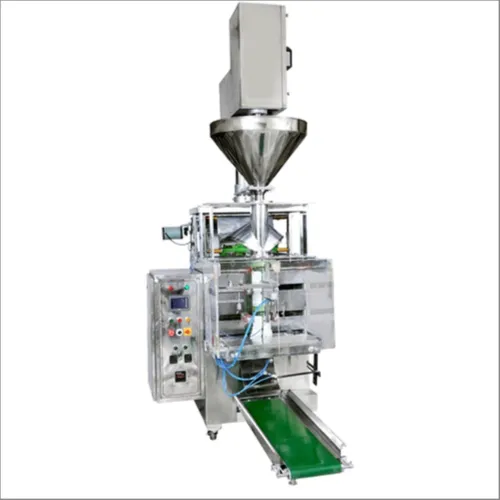
| Auger filler | Fine, cohesive powders and controlled pouch weights | Requires product-specific screw and agitation trials |
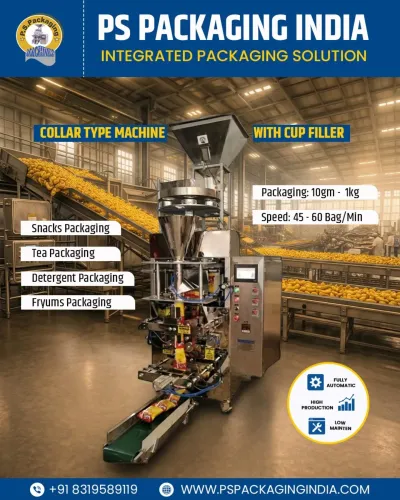
| Cup system | Free-flowing granules at consistent bulk density | Poor choice for cohesive or dusty powders |
| Single head packing machine | Lower volumes, small batches and frequent changes | Manual feeding limits sustained monsoon throughput |
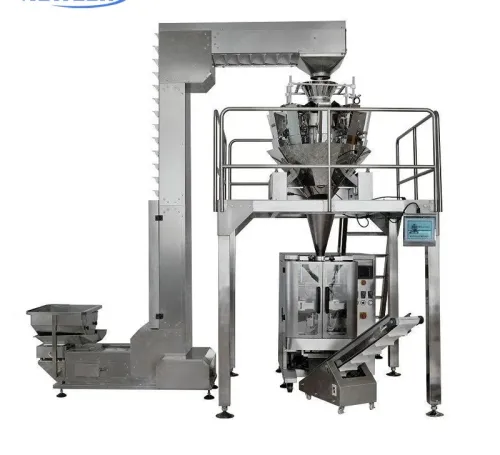
| Multihead weighing | Whole cumin, mustard, fennel, cardamom, pepper and other free-flowing products | Not an automatic answer for fine powders that bridge or cling |
For a packaging machine for spices, trial these settings at the actual target weight: auger flight shape, screw diameter, pitch, agitator, hopper level, dosing tube, contact-surface finish, screw speed and cutoff timing. A narrow, fast screw can increase dusting and pulsation, while a larger motor will not reliably fix cohesive powder.
How Film, Spice Dust and Sealing Jaws Create Hidden Pouch Failures
A pouch can look sound at the machine exit and leak after cooling, transport or shelf handling because the seal was contaminated or formed outside its validated window. Monsoon humidity can curl the web, telescope the roll, alter film stiffness, increase static, disrupt tracking and create registration or forming faults.
Store laminate sealed, off the floor, and acclimatise it before use. Evaluate moisture and oxygen barrier, seal initiation temperature, coefficient of friction and machinability—not just appearance. Film selection matters for spice pouch packing for machine output.
Spice dust or condensation on the forming collar, dosing tube, film path or jaws creates wrinkles, weak seals and powder trapped across the seal width. Buildup on jaws can produce leaks that appear only after cooling.
Raising jaw temperature is not a cleaning method; validate the seal window for the laminate, dwell time, pressure and temperature.
1. Locate the fault: varying weights indicate feeding or bridging; powder on seals indicates dust control or timing; wandering film indicates roll storage, tension or tracking; repeated sensor faults indicate dust or condensation.
2. At product changeover, clean and inspect the hopper outlet, auger, collar, photocell, film path and jaws. Remove residue before the next recipe.
3. At end of shift, repeat those checks, inspect jaw buildup and confirm the film roll is protected for acclimatisation. Do not blow dust into bearings, sensors or electrical enclosures unless the machine maker’s procedure permits it.
Which Controls Reduce Weather Losses—and When Automation Is Not Worth It
Control the inputs before increasing speed: store spices in a protected, dry area, rotate stock first-in, first-out, keep laminate in sealed packaging, acclimatise film before use, and avoid abrupt temperature changes. A warm powder or cool film entering a humid room can destabilise flow and sealing.
| Control | Problem addressed | Check before purchase |
|---|---|---|
| Conditioned or dehumidified room | Moisture pickup | Validate temperature and relative humidity |
| Covered transfer, agitation and anti-bridging | Exposure, rat-holing and clumps | Trial the actual powder |
| Weight feedback and moisture monitoring | Drift and inconsistent fills | Set alarm limits from trials |
| Jaw-temperature monitoring and film-tracking alarms | Weak seals and wandering film | Test the laminate’s seal window |
| Dust extraction with airflow and differential-pressure indication | Airborne spice | Validate suction at each pickup |
Excessive extraction can pull powder from the hopper, disturb dosing and increase yield loss. Spice dust also requires housekeeping, static control, suitable electrical planning and a combustible-dust risk assessment.
Keep a moisture and quality log recording:
- Room relative humidity, room and product temperature, powder condition, fill-weight checks, seal-strength or leak results, stoppage reason and time since cleaning.
To price the decision, total monthly minutes stopped, extra cleaning labour, rejected pouches, rework, slower speed and raw-material loss. Compare that figure with conditioning, enclosed transfer, extraction or a different feeder.
Automation is the wrong choice when recipes change every few minutes, particle size or oil content varies widely, product arrives warm and damp, or volume cannot justify controlled-room and cleaning effort.
What to Demand in an Indore-Specific Machine Trial and Handover
A showroom run proves little unless it uses your spice, laminate and operating conditions. Demand a written trial protocol before selecting the machine.
1. Submit actual samples with the formulation, moisture level, oil content, particle-size range, target pouch sizes and fill-weight range. Do not accept a trial using a substitute powder.
2. Run the selected laminate at the intended sealing temperature, dwell time, jaw pressure and line speed. Repeat the run after machine warm-up and during a humid monsoon simulation or a realistic conditioned-room temperature and humidity change.
3. Record repeated pouch weights, weight variation across the run, seal integrity after cooling, leak-test results, film tracking, dust level, stoppage frequency, cleaning time and changeover time. Request repeatability and accuracy data after warm-up, not only from the first few pouches.
4. Put acceptance limits in the purchase document. Where powder behaviour is uncertain, compare auger diameters, agitation settings, hopper fill levels and cutoff timing; a narrow, fast auger can increase pulsation and dusting.
5. Make the handover checklist cover humidity alarms, shift-start inspection, pouch sampling frequency, seal-jaw cleaning, escalation for bridging or sensor faults, safe dust removal and end-of-shift records. Include the validated operating limits for product moisture, room conditions and seal settings.
PS PACKAGING can be judged on whether it conducts this application trial and documents those limits, rather than on a headline packs-per-minute figure alone. A machine that passes only a short dry-room test has not yet earned production approval.
Related products
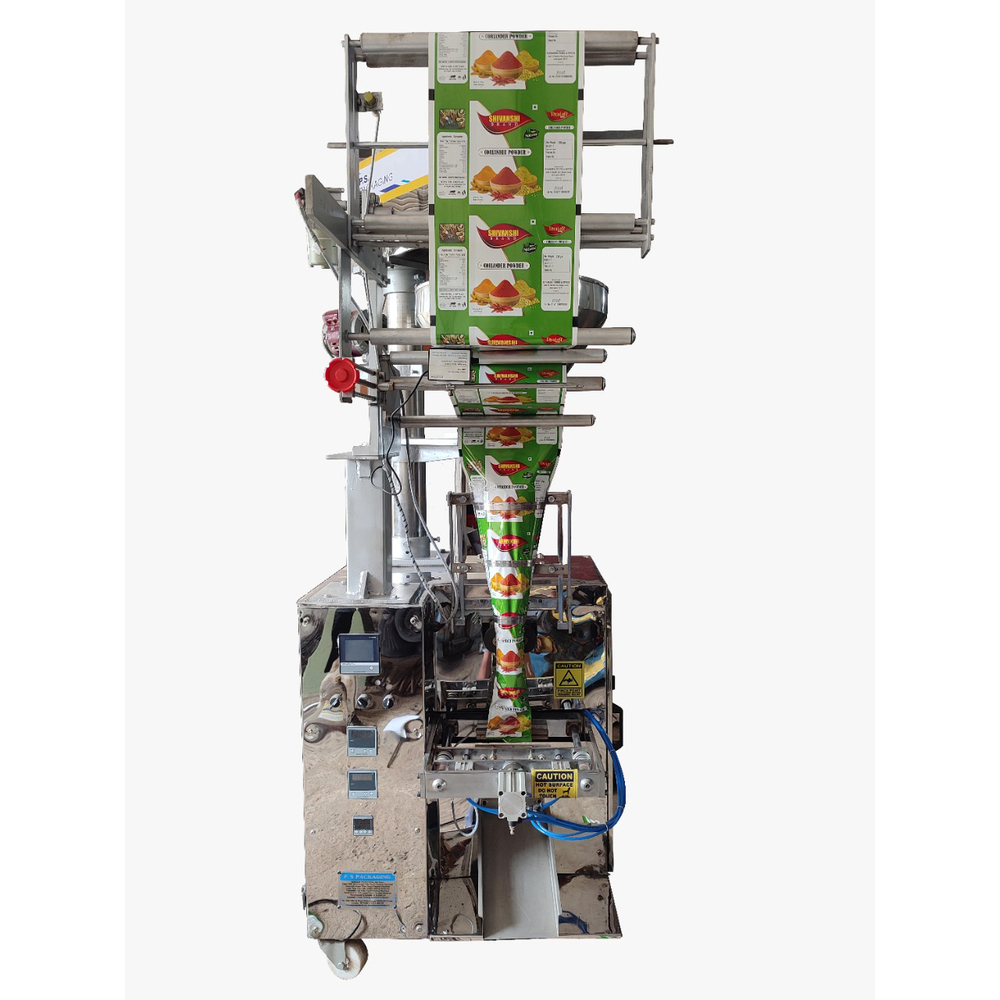 | Industrial Packaging Machine Pneumatic Auger Filler Packing Machine Manufacturer & Supplier in Indore | PS Packaging The Pneumatic Auger Filler Packing Machine from PS Packaging, Indore, Madhya Pradesh is a reliable... View product → |
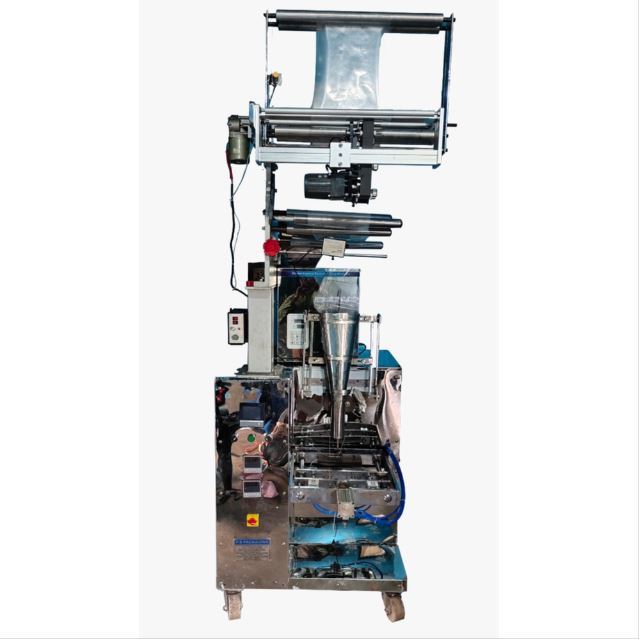 | Industrial Packaging Machine Manufacturer & Supplier in Indore | PS Packaging The Single Head Packing Machine from PS Packaging, Indore, Madhya Pradesh is a durable and efficient... View product → |
Frequently asked questions
How does Indore weather affect spice pouch packing machines?
Pre-monsoon heat raises spice and machine temperatures, while monsoon humidity increases moisture ingress, powder clumping, film changes and seal failures.
When should you choose an auger instead of a weigher for spices?
Choose an auger for fine, cohesive powders that bridge or compact. Use a weigher for free-flowing whole or coarse spice particles when accurate weighing matters.
Why do spice pouches develop hidden seal failures?
Spice dust trapped in the seal area, moisture-affected film and incorrect sealing-jaw temperature can create weak, leaking or wrinkled seals.
What should an Indore-specific machine trial include?
Test your actual spice, film and target pack weight under heat and monsoon-like humidity, then record speed, weight variation, seal strength, rejects and cleaning requirements.
Related products
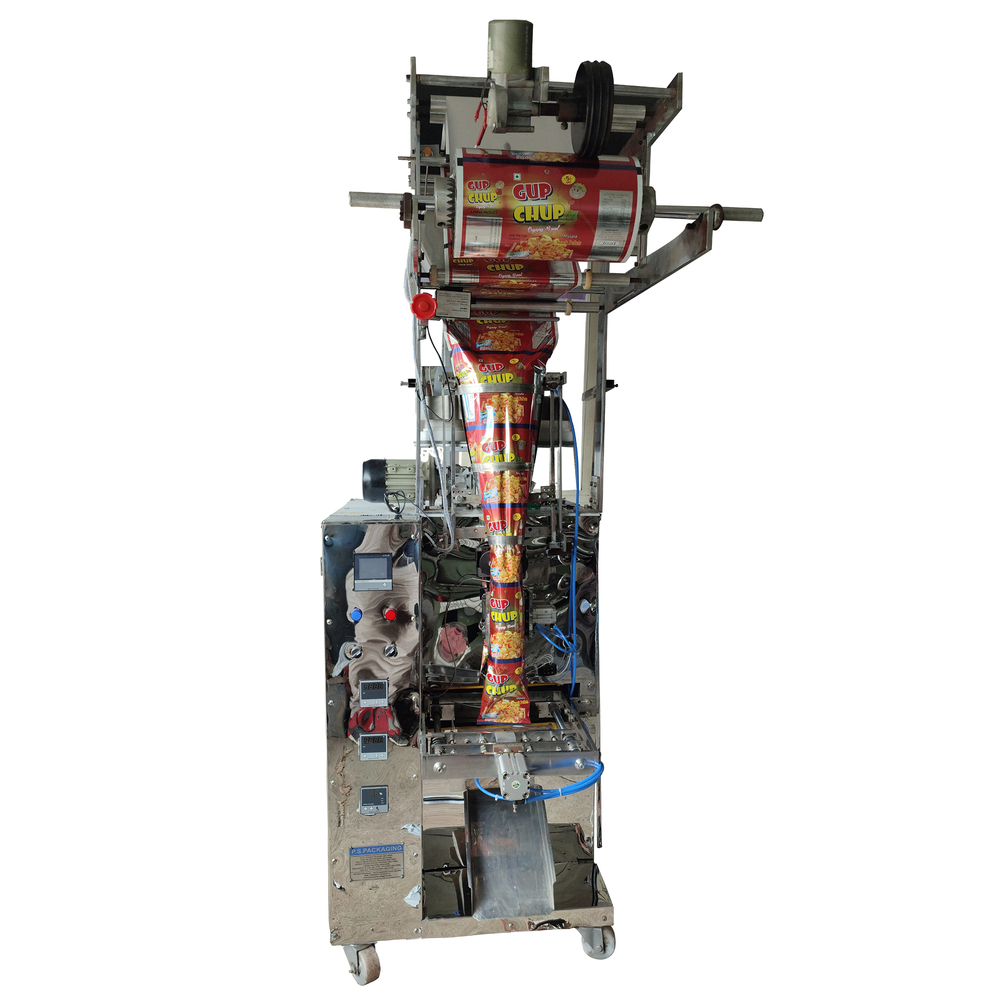 | Industrial Packaging Machine Pneumatic Cup Filler Packing Machine Manufacturer & Supplier in Indore | Patna | Nagpur -PS Packaging The Pnematic Cup Filler Packing Machine from PS Packaging, Indore, Madhya Pradesh is... View product → |
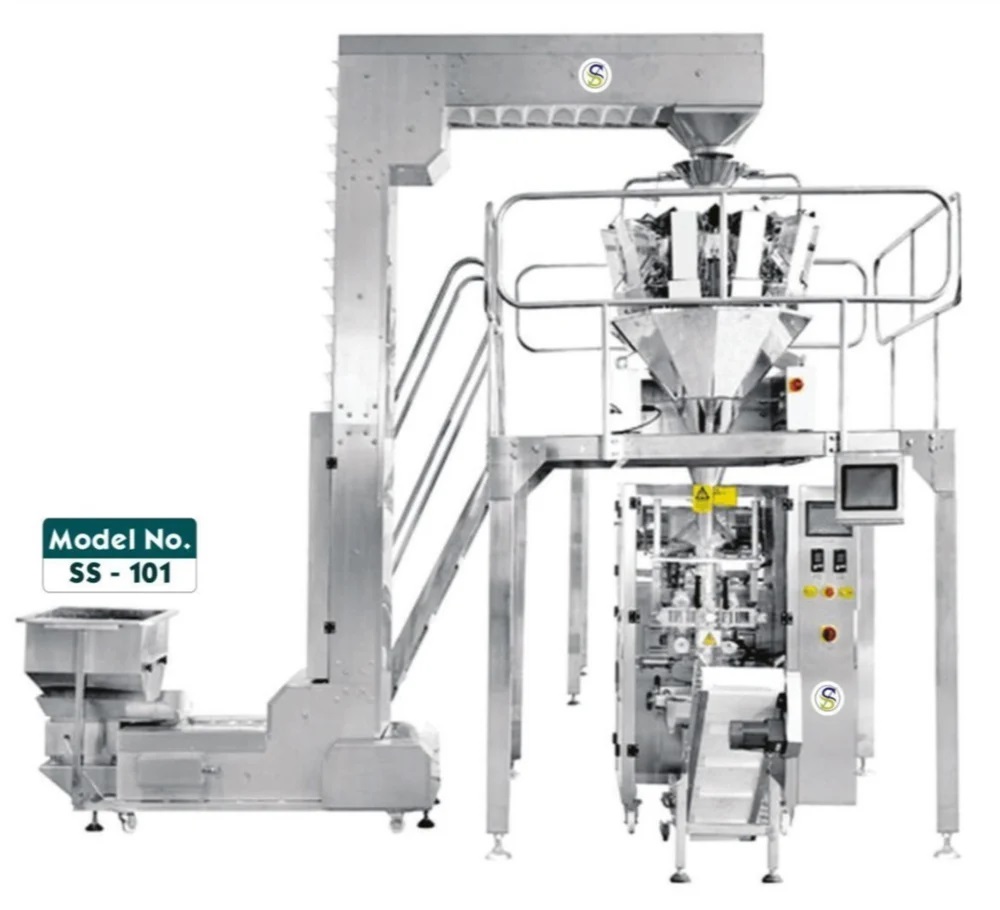 | Multihead Head Packing Machine Multi Head 14 Head Packing Machine Manufacturer & Supplier in Indore | PS Packaging Price: Get Best Price / Request a Quote MOQ: 1 Unit The Multi Head 14 Head Packing Machine from PS... View product → |
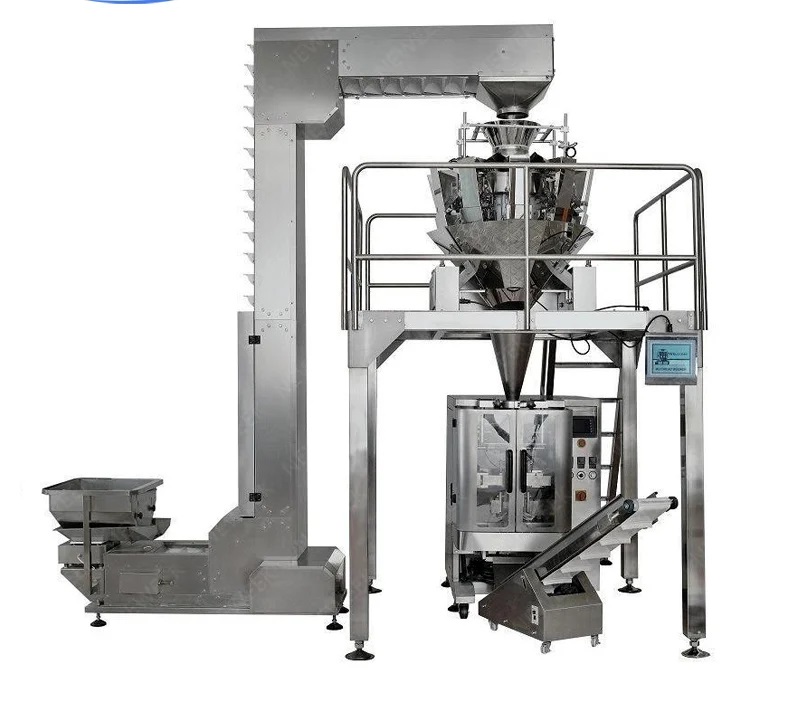 | Multihead Head Packing Machine Multi Head 10 Head Packing Machine Manufacturer & Supplier in Indore | PS Packaging Price: Get Best Price / Request a Quote MOQ: 1 Unit The Multi Head 10 Head Packing Machine from PS... View product → |
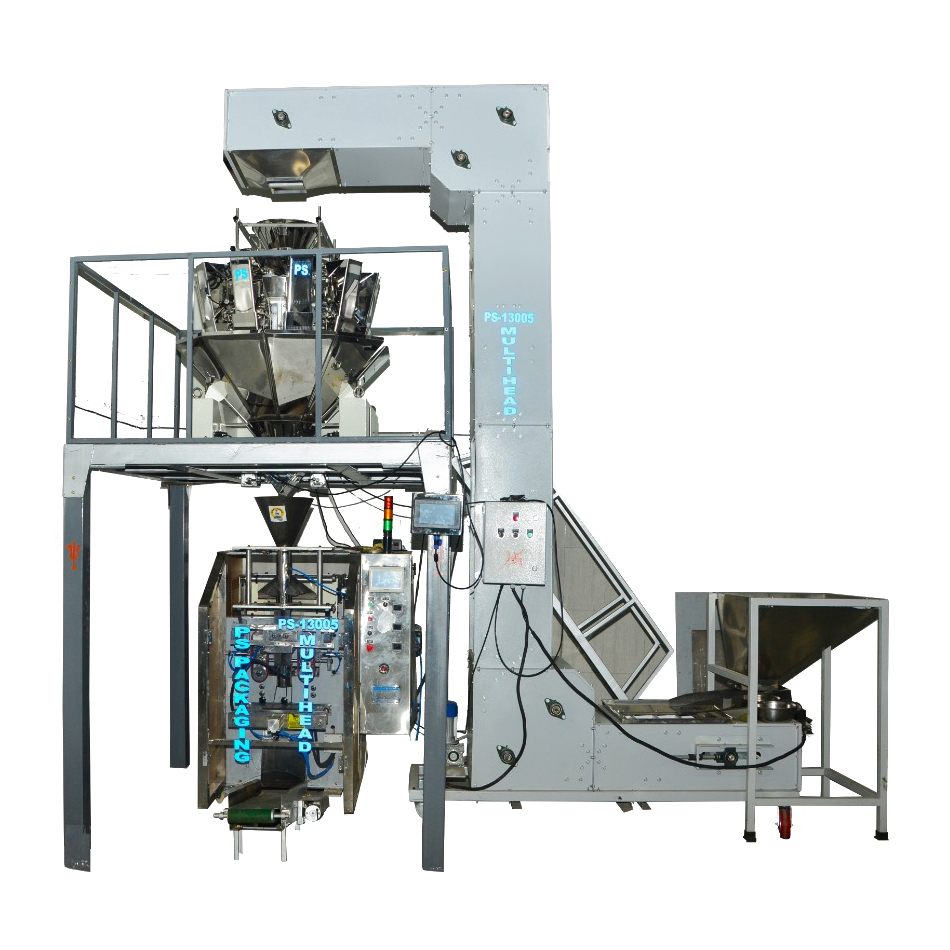 | Multihead Head Packing Machine Multihead Packing Machine The Multihead Packing Machine is a fully automatic, high-speed packaging solution designed for precise weighing, filling,... View product → |