
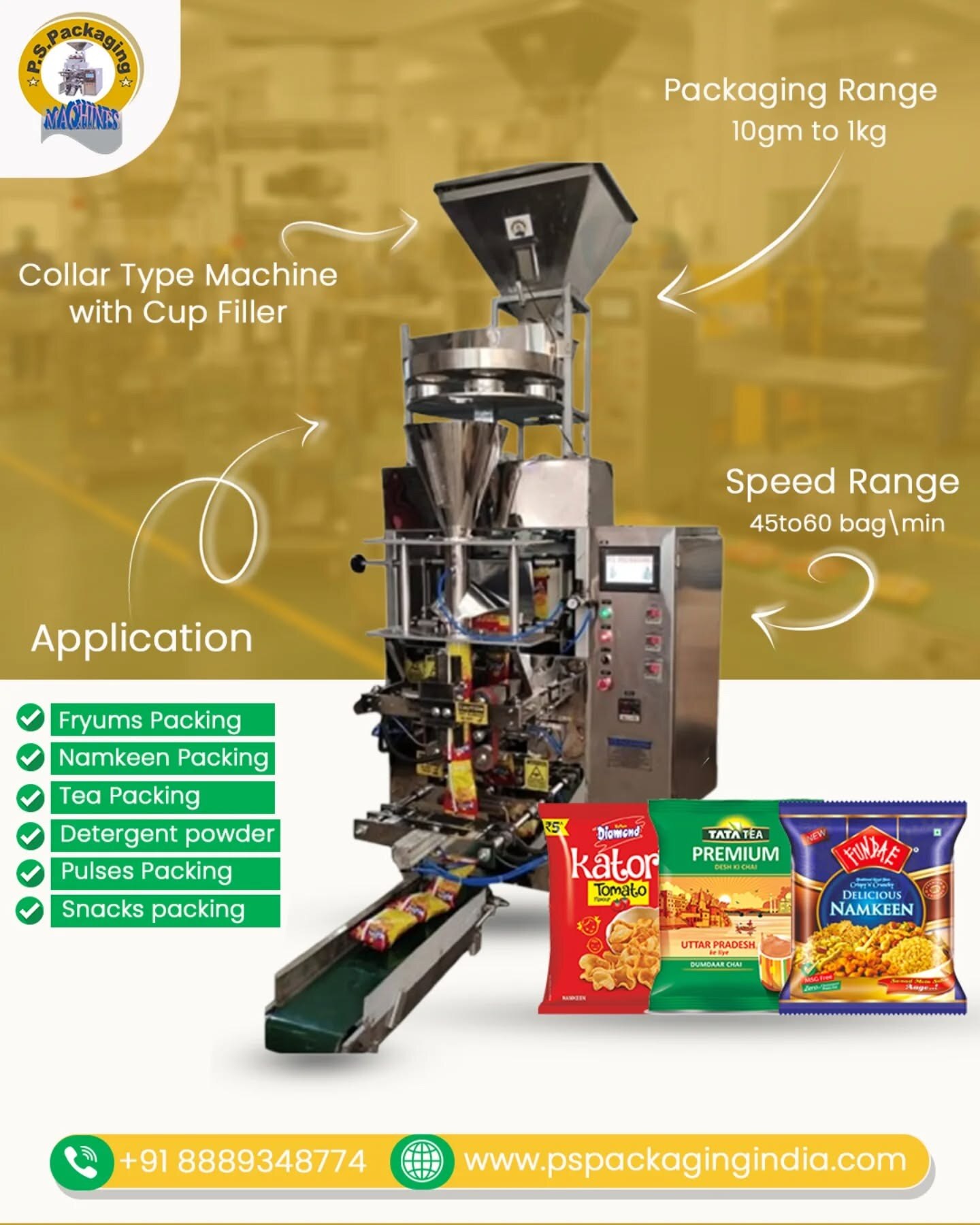
Flour packaging depends on more than dropping atta into a bag: the line must control product flow, dose mass, contain dust, protect the seal and reject packs that fail inspection. By the end, you will know how the equipment works, which dosing method fits your flour, and which specifications to confirm before purchase.
Key takeaways
- Use auger dosing when atta flow varies and accurate weight control matters.
- Control hopper agitation and product levels to reduce bridging and inconsistent filling.
- Match pouch material, sealing jaws, and dust extraction to flour’s fine particles.
- Verify dosing accuracy, changeover time, controls, and after-sales support before buying.
How flour moves from hopper to finished pouch
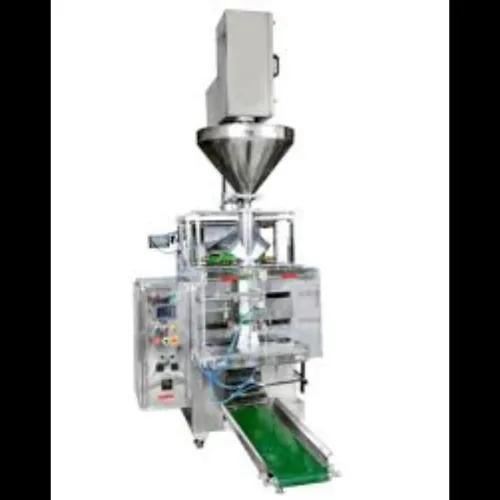
An atta packing machine for automated flour packaging completes the cycle by coordinating product feeding, dosing, pouch handling, sealing and discharge through a PLC. Flour leaves the hopper through a controlled outlet, while an agitator or level sensor helps prevent bridging and uneven flow.
- The hopper supplies flour to an auger. The auger rotates a defined number of turns to deliver a volumetric dose, or works with load-cell feedback when the machine corrects each dose by weight.
- The machine presents a premade pouch or forms one from rollstock. In a vertical form-fill-seal system, film passes around a forming collar, receives a longitudinal seal and becomes an open tube.
- The filled pouch is held under the dosing outlet while the auger releases flour. Settling time and controlled air evacuation reduce headspace and keep flour away from the sealing area.
- Heated jaws close the top seal, applying the specified temperature, pressure and dwell time. Flour caught between the jaws can create a leak even when the temperature setting is correct.
- A coder prints the batch number or date, then the finished pouch is cut or released onto the discharge conveyor for case packing or inspection.
An atta packing machine also needs enclosed transfer points and local dust extraction around the hopper outlet, auger inlet, bag mouth and forming collar. These controls protect seal surfaces and keep the filling cycle stable.
Semi-automatic models may require an operator to place each open pouch; fully automatic lines form or feed, fill, seal and discharge with minimal intervention.
Why flour behaviour changes auger filling accuracy
An auger’s revolution count does not guarantee a fixed flour weight: changing bulk density, aeration, moisture and flow alters the mass delivered by each flight.
- Bulk density: Loose flour delivers less mass per revolution than compacted flour, so identical auger settings can produce underweight or overweight pouches.
- Aeration: Air trapped during conveying or hopper agitation makes flour expand and feed unpredictably. Compaction during a pause then increases the next dose.
- Moisture: Damp flour forms lumps, sticks to the auger and bridges above the inlet. The result is intermittent feeding, surging and missed target weights.
- Flow: Poor flow from fine particles, uneven particle-size distribution or hopper-wall friction causes rat-holing and arching. The auger then runs partly starved before a sudden release sends excess flour forward.
A flour packing machine needs calibration with the actual flour, at the intended speed and hopper condition. Weigh sample fills during startup, after a product change and at set intervals; adjust auger revolutions or use coarse filling followed by slow dribble filling to limit overshoot.
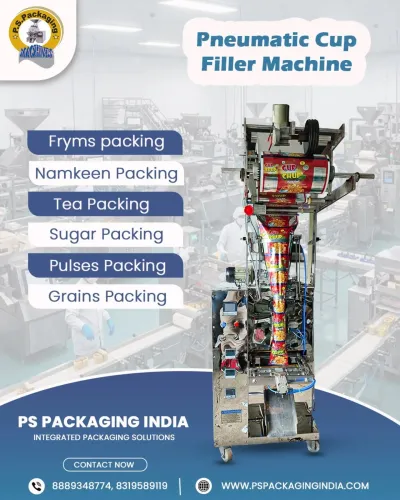
A pneumatic auger filler machine does not necessarily measure by air. The auger still doses volumetrically while compressed air operates gates, clamps or bag-handling parts, so air actuation cannot correct density changes. If mass accuracy is critical, specify load cells and weight feedback rather than assuming a pneumatic machine is gravimetric.
Auger, cup or multihead: which dosing method fits atta?
Choose an auger for most atta packs: its screw flights handle cohesive powder more reliably than cups or weighers. Select a servo auger when dose repeatability, recipe changes and speed control matter; choose pneumatic actuation when the line already has compressed air and its control advantages justify the added utility.
| Option | What it means | When it applies |
|---|---|---|
| Auger filler | A screw delivers a set volume, then calibration links revolutions to target mass. | Standard atta pouches, especially where flour flow is reasonably consistent. |
| Pneumatic auger filler machine | An auger still measures the flour; compressed air operates gates, clamps or bag handling. | Lines needing pneumatic actuators, not a machine that measures flour with air. |
| Cup filler | Fixed-volume cups discharge product. | Free-flowing granules or consistent, non-cohesive products; usually a poor fit for aerated atta. |
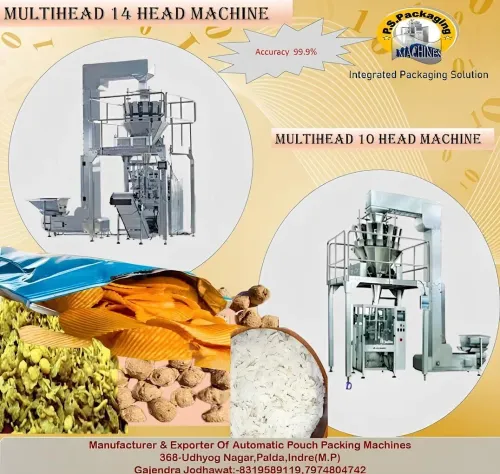
| Multihead weigher | Several weigh heads combine portions to reach a target weight. | Granular or particulate products; usually inefficient for dusty, cohesive flour. |
Do not select a cup filler because its mechanism looks simple. Flour bridges, compacts and clings to cup surfaces, so the same cup volume can produce different weights. A multihead weigher adds weighing accuracy but brings more dust exposure, cleaning points and complexity without solving flour’s flow behaviour.
Specify the filler with hopper agitation, dust extraction, bag handling and checkweighing. An atta packing machine achieves labour savings only when those upstream and downstream functions are automated together.
How pouch format and dust control protect the seal
A pillow or gusseted pouch made from heat-sealable laminated rollstock gives a vertical form-fill-seal flour packing machine a continuous film path and consistent seal width. Premade pouches suit lines where bag presentation is preferred, but the filling nozzle must enter cleanly without brushing flour onto the mouth.
Dust at the seal creates channels, weak spots and leakers even when the jaw temperature is correct. Control it at the points where flour escapes:
- Enclose the hopper outlet, auger inlet and film-forming collar.
- Use local extraction near the bag mouth instead of relying only on room ventilation.
- Fit dust-tight guarding and correctly positioned filters.
- Allow the filled pouch to settle or deaerate before the top seal closes.
- Ground and bond conductive equipment, remove accumulated dust, and control ignition sources.
The sealing system must match the film structure. Set temperature, jaw pressure and dwell time together, then confirm that the jaws close on clean film rather than product. Excessive heat can distort the laminate; insufficient heat or pressure leaves a seal that opens during transport.
Check startup packs and samples after changes to flour, film or speed. Inspect seal width and continuity, perform a squeeze or leak check, and use burst or peel testing where your quality plan requires it.
Packaging automation solutions are reliable only when the flour packing machine links dosing, settling, sealing and discharge without rushing the seal cycle.
What to specify and verify before buying the line
Specify the flour before you specify the machine: atta bulk density, moisture range, particle size, aeration after conveying, and target pack weights. Ask for trials using your actual product, because a dose that works at one density can fail after handling or settling.
Confirm these details in the quotation and factory acceptance test:
- Pack material, pouch dimensions, seal type, film structure, coding position, and acceptable weight tolerance
- Target packs per minute, maximum film width, hopper capacity, refill method, and compressed-air demand
- Product-contact materials, access for cleaning, captive or tool-free change parts, and the documented clean-down time
- Dust extraction at the hopper, auger inlet, bag mouth, and forming collar, with filters and guards identified
- Checkweigher or weight-feedback method, sampling plan, automatic reject system, and records for batch and weight compliance
- Seal validation covering flour contamination, air evacuation, jaw pressure, dwell time, temperature, and leak testing
Use the applicable legal-metrology rules for your market and ask how the supplier will demonstrate compliance; OIML R 61 addresses automatic gravimetric filling instruments, not every line function. PS PACKAGING can help compare an atta packing machine with broader packaging automation solutions, but require measured trial results rather than an advertised accuracy percentage.
| Option | Verify before selection | Main risk |
|---|---|---|
| Semi-automatic | Operator bag placement, labour per shift, discharge handling | Output depends on operator consistency |
| Fully automatic | Bag feeding or rollstock forming, coding, reject and discharge integration | A fast filler still stops if bag handling cannot keep pace |
Related products
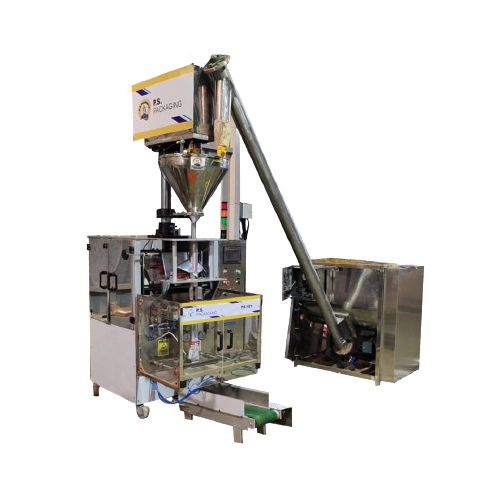 | Servo Auger Filler Packing Machine Collar Type Servo Auger Filler Packing Machine Collar Type Servo Auger Filler Packing Machine The Collar Type Servo Auger Filler Packing Machine is a high-performance packaging solution designed... View product → |
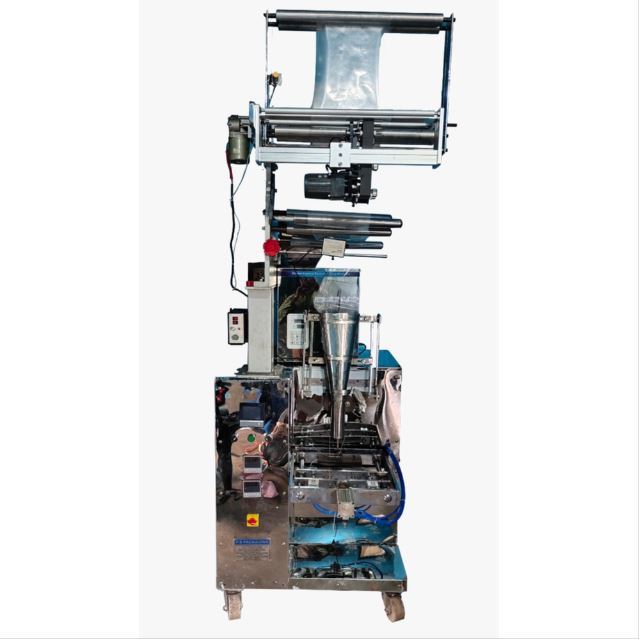 | Industrial Packaging Machine Manufacturer & Supplier in Indore | PS Packaging The Single Head Packing Machine from PS Packaging, Indore, Madhya Pradesh is a durable and efficient... View product → |
Frequently asked questions
How does atta move from the hopper to a finished pouch?
A controlled outlet feeds atta from the hopper to a dosing system, which fills the pouch before sealing and discharge under PLC control.
Why does flour behaviour affect auger filling accuracy?
Atta can bridge, compact, or flow unevenly in the hopper, so agitation and level control help maintain a consistent feed to the auger.
Is an auger filler better than cup or multihead dosing for atta?
Auger filling suits powdered atta because it controls volume through screw rotation; cup and multihead systems fit products with different flow and weighing characteristics.
How do pouch format and dust control protect the seal?
Correct pouch dimensions and controlled flour dust keep powder away from the sealing area, helping the jaws form a clean, reliable seal.
What should you verify before buying an atta packing machine?
Check target pack weights, dosing accuracy, pouch sizes, changeover steps, dust management, PLC controls, throughput, maintenance access, and service support.