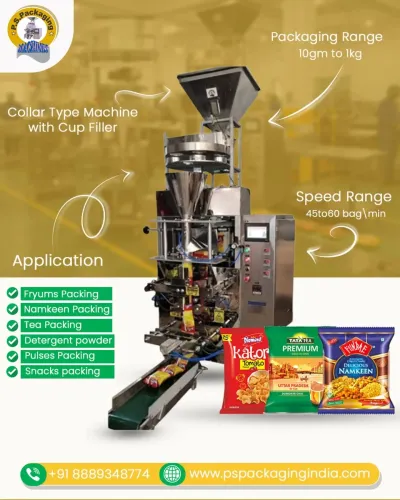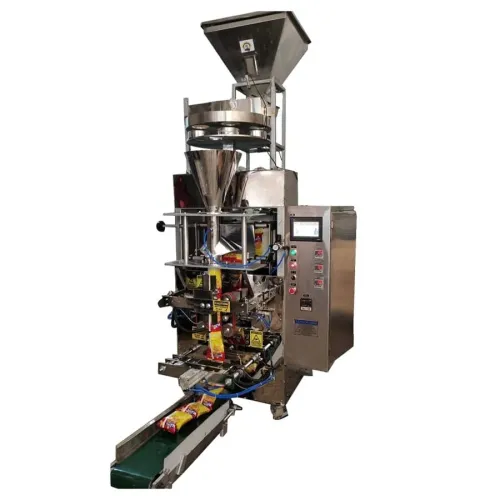

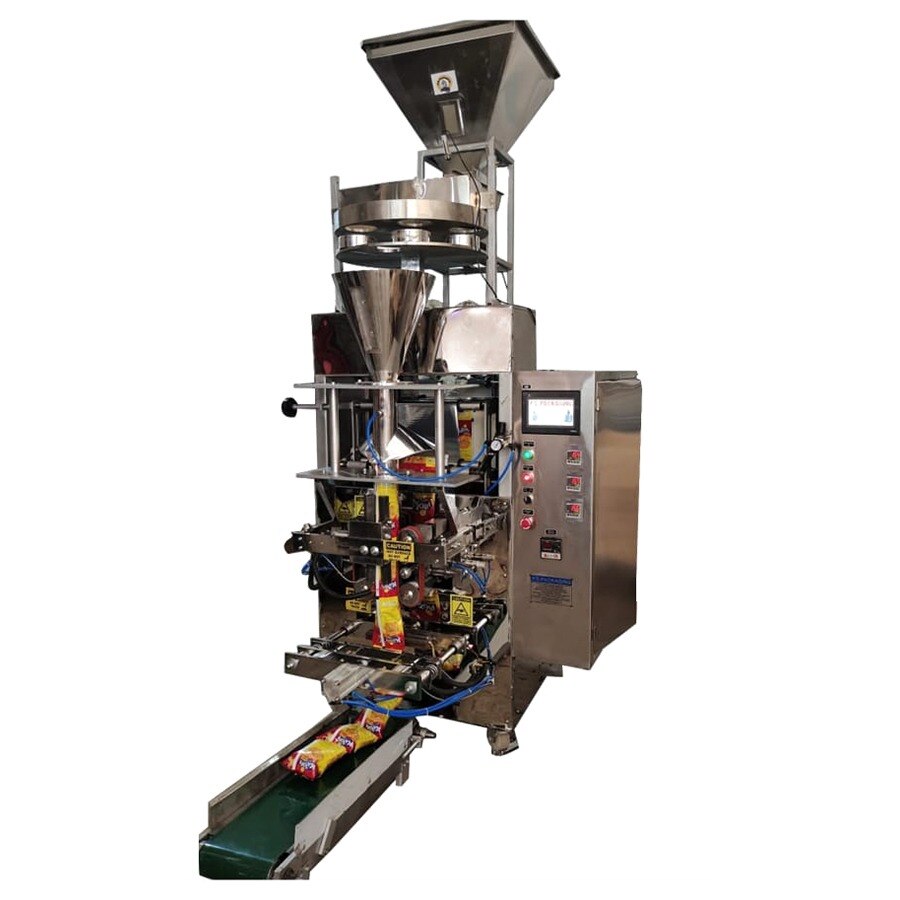
Whole peppercorns, cracked pepper and ground pepper do not move through a filler in the same way, so a machine that runs one product may fail on another. You will be able to match the feeding method to your pepper, compare single-head output with 4-head, 10-head and 14-head alternatives, and specify a trial that proves weight accuracy, sealing and coding performance in Nagpur conditions.
Key takeaways
- Match the dosing system to whole, cracked or powdered pepper.
- Use one weighing station when required output fits its tested cycle rate.
- Run trials with your actual pepper, film, pouch size and target weight.
- Check seal strength, coding quality and film performance before approving the machine.
Which black pepper form can a single-head machine fill reliably?
A single head packing machine can handle whole peppercorns, cracked pepper and pepper powder only when its dosing system matches the product and the trial uses the buyer’s actual pepper.
| Form | Suitable dosing method | Main reason |
|---|---|---|
| Whole peppercorns | One-station gravimetric weigher | Berry size, fines, moisture and bulk density change the weight in each fixed-volume cup. |
| Cracked pepper | Gravimetric weigher with controlled coarse feeding | Broken particles and fines alter flow and density; a cup can drift while the pouch looks full. |
| Pepper powder | Controlled auger feeder | Fines bridge at the outlet, compact in the feed path and create dust. |
A fixed-volume cup is therefore less defensible for whole or cracked pepper than weighing each dose. Ground pepper needs an auger with controlled speed and feed pressure, not an uncontrolled gravity drop.
Specify a hopper outlet large enough to prevent bridging, steep walls that promote flow, and smooth food-contact surfaces without ledges where powder can compact. Ask whether the machine has an agitator or tuned vibrator, plus separate coarse and fine feeding for cracked pepper. Excessive vibration can segregate particles or increase dust.
A generic spice pouch packing machine is not automatically suitable for every pepper form. Run repeated samples of the buyer’s whole, cracked or ground product at each target weight, and check weight variation, stoppages, dust and seal contamination before approving the machine.
When is one weighing station enough for your pepper output?
A single head packing machine is enough when your pepper volume is small or medium, your required rate fits one weighing cycle, and frequent SKU changes matter more than maximum throughput. It weighs or doses one pouch at a time, so filling, settling, discharge, pouch indexing, sealing and product-flow delays all limit the rate.
| Machine | Output and weighing behaviour | Best fit |
|---|---|---|
| Single head | One pouch per cycle; simplest cleaning and calibration; smallest footprint | Small or medium batches and frequent changes |
| 4-head | More simultaneous weighing; higher output and some averaging of feed variation | Growing lines needing moderate throughput |
| 10-head | Higher sustained output and stronger averaging effect | Larger production runs with fewer changes |
| 14-head | Highest capacity of these options; more channels to clean, calibrate and maintain | Continuous, high-volume demand |
Define these conditions before choosing:
- Target weights: 50 g, 100 g, 200 g, 500 g or 1 kg
- Required pouches per minute and shifts per day
- Labour available for hopper loading, pouch collection and inspection
- Floor space, changeover frequency and number of SKUs
- Acceptable weight variation and the applicable legal limit
A single head reduces cleaning time, calibration work and capital requirements, but it has less averaging than a multihead system. Opening the gate faster can increase overshoot and variation, so a quoted rate means nothing without the named pepper grade, pouch weight, film and accuracy target.
What must a black pepper machine trial prove before you buy?
A trial passes only when it proves repeatable net weight with your pepper, pouch and operating conditions—not merely that the machine runs. For a black pepper packaging machine in Nagpur, record these inputs before testing:
- Peppercorn size, broken-kernel percentage, moisture, bulk density and dust level
- Hopper capacity, outlet arrangement, wall angle, surface finish, agitator or vibrator settings
- Intended pouch format, film, nominal weights and target pouches per minute
- Product storage conditions, room humidity and time from hopper loading to filling
Run every SKU through repeated samples over a sustained production run. Record mean weight, standard deviation, maximum error, underweight frequency, dust at the seal, stoppages and hopper-refill behaviour. Compare each nominal quantity with its applicable Legal Metrology maximum permissible error; an acceptable average does not excuse repeated underweight packs.
| Trial condition | Define before approval | Failure it exposes |
|---|---|---|
| Monsoon | Incoming moisture, storage, room humidity and hopper wait time | Caking, bridging and seal dust |
| Dry season | Incoming moisture, storage, room humidity and hopper wait time | Segregation and unstable flow |
Reject the machine if the supplier changes vibrator settings without recording them, substitutes another pepper grade, or tests only a short batch. Require documented weighing-equipment verification and stamping where applicable, plus signed results for every SKU, pack size and pouch format.
How do film, sealing and coding affect the finished pepper pouch?
1. Load the hopper, weigh or dose the pepper, form the vertical pouch, drop the product, settle it below the mouth, heat-seal, date-code, cut and collect. A spice pouch packing machine must control each transition; a poorly controlled drop leaves whole peppercorns in the seal, creating leaks or weak seals.
2. Select laminate for the required moisture, oxygen, aroma and light barriers, not merely for easy sealing. Validate film thickness, sealant-layer material, coefficient of friction, film width and permissible sealing temperature on the actual packaging machine for spices and film roll. A suitable barrier cannot rescue a contaminated seal.
3. Keep the drop path controlled and connect a dust hood or extraction system. Pepper powder fines on the seal area create channel leaks, while whole peppercorns prevent uniform jaw contact. Specify seal-jaw temperature, pressure and dwell controls, a seal-area cleaning arrangement, and leak testing during a sustained run.
4. Nitrogen flushing reduces headspace oxygen only when gas quality, timing, pouch geometry, residual oxygen and leak rate are controlled. It does not replace barrier film or a sound seal. Require residual-oxygen results and leak-test records if modified-atmosphere packing is claimed.
5. Check the coder against the finished artwork before purchase. It must print the food name, net quantity, batch or lot identification, date marking and FSSAI licence details in a clear area without crossing the seal, folding into it or becoming unreadable on the film. A pouch that fills correctly can still fail labelling control.
How should you make the final single-head buying decision?
Choose a single head when your output is small or medium, you change weights or flavours frequently, need limited floor space, and the tested rate meets your shift target without exceeding Legal Metrology weight limits. One station is easier to clean and calibrate, but a faster gate can increase overshoot and variation.
| Option | Main advantage | Move to it when |
|---|---|---|
| Single head | Lower space, simpler changes | One-station rate meets demand |
| 4-head | Higher sustained output | Single-head filling becomes the bottleneck |
| 10-head | Greater throughput and averaging | Demand justifies extra cleaning, calibration and capital |
| 14-head | Highest channel capacity | Continuous, high-volume production supports the investment |
Request a written specification covering supported pack weights, film width, hopper and outlet design, feeding controls, seal temperature, pressure and dwell, coder integration, and measured results on your actual pepper. The trial must record repeated net weights, mean, standard deviation, maximum error, underweight frequency, seal dust, stoppages and hopper-refill behaviour.
A supplier such as PS PACKAGING is useful when comparing a black pepper packaging machine in Nagpur only if it runs and documents that product-specific trial, not a generic rate for a packaging machine for spices.
- Output: packs per minute at each SKU
- Accuracy: results against permitted error
- Film: width, sealant and temperature range
- Humidity: dry- and monsoon-condition performance
- Dust: seal cleanliness and extraction
- Compliance: net quantity, batch, date and FSSAI coding
Related product
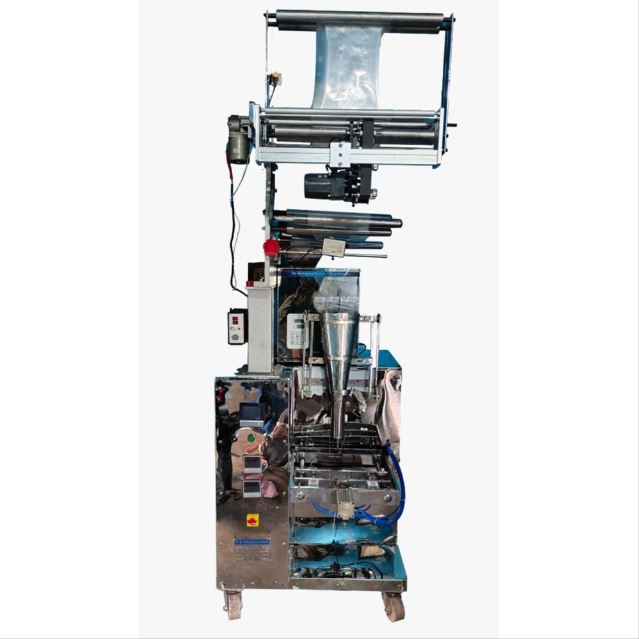 | Industrial Packaging Machine Manufacturer & Supplier in Indore | PS Packaging The Single Head Packing Machine from PS Packaging, Indore, Madhya Pradesh is a durable and efficient... View product → |
Frequently asked questions
Which black pepper forms can a single-head machine fill reliably?
A single-head machine can fill whole peppercorns, cracked pepper and pepper powder when its dosing system suits the product. Test flow, bridging, dust and target-weight accuracy with your actual pepper.
When is one weighing station enough for black pepper output?
One weighing station is enough when its tested cycle rate meets your required pouch weight and hourly production target without unacceptable weight variation.
What must a machine trial prove before purchase?
The trial must prove target-weight accuracy, repeatability, product flow, pouch handling, seal integrity, changeover time and coding performance using your pepper and packaging materials.
How do film, sealing and coding affect a finished pepper pouch?
Film controls barrier protection and machine running. Seal temperature, pressure and dwell time affect leak resistance, while clear batch, date and price coding supports traceability and saleability.
How should you make the final single-head buying decision?
Compare verified trial results against your output, accuracy, pouch, labour and maintenance requirements. Choose the machine that meets those figures consistently, not the one with the lowest headline price.