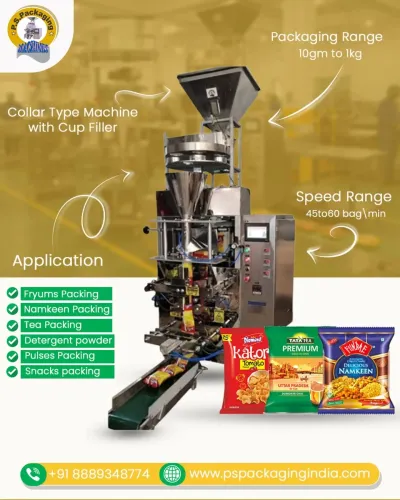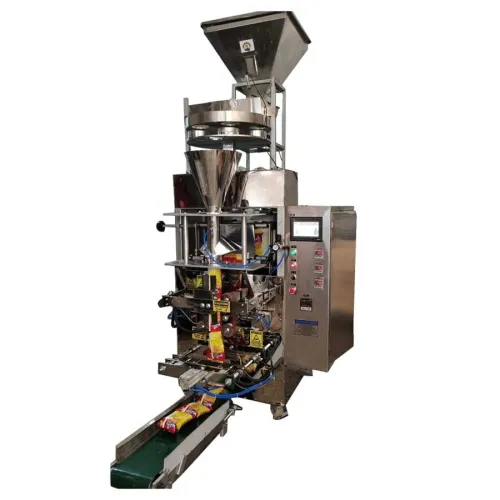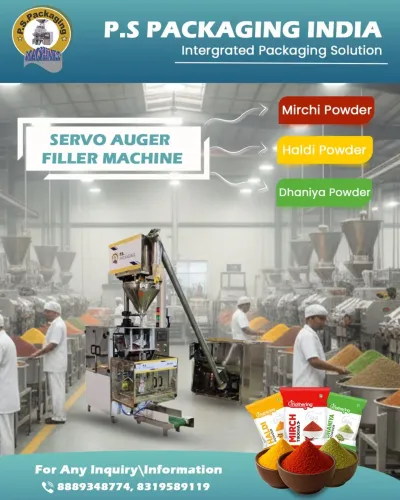

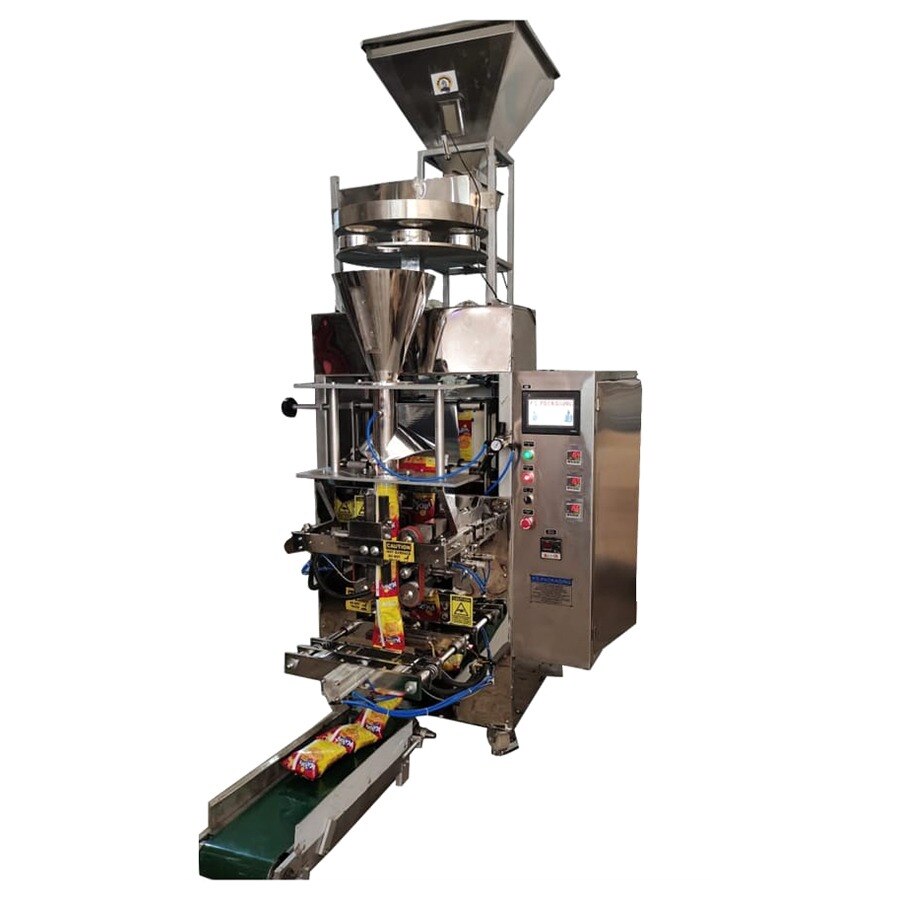
Besan weight variation, flour dust, bridged hoppers and contaminated seals can turn a simple packing run into repeated rework. By matching the dosing method to your product, testing the machine with your own besan and specifying the sealing and dust controls, you can determine whether a single-head setup will meet your output target.
Key takeaways
- Calculate minimum packs per minute from kilograms, pack size and usable running time.
- Choose an auger filler for besan instead of a cup or multihead weigher.
- Calibrate with your actual besan and check weight across repeated packs.
- Compare dust control, sealing, changeover and service details before selecting a supplier.
Is a single-head machine large enough for your besan output?
A single-head machine is large enough when it produces your required packs within the minutes you can actually run it. Calculate required packs per day as daily besan kilograms ÷ pack weight, then divide that number by available running minutes after breaks, cleaning and planned changeovers. The result is your minimum packs per minute.
- Record pack weight and daily output: 1,000 kg in 1 kg pouches requires 1,000 packs.
- Subtract changeovers, hopper loading, pouch placement and sealing delays from the shift.
- Confirm one operator can load pouches, monitor the hopper and remove sealed packs without creating a queue.
- Check floor space for the filler, pouch table or forming unit, sealer, conveyor, coder and dust control.
- Leave access for cleaning, auger removal and electrical maintenance.
A published speed is incomplete without pack size, auger diameter, pouch format, besan lot and sealing time. A 50 g pouch and a 1 kg pouch do not produce the same packs per minute, and a slow seal can reduce output even when dosing is fast.
Time a trial using your besan, laminate and intended sealing temperature before choosing a besan packing machine in Nagpur.
Also identify the accuracy method. A single-auger filler meters powder by auger rotation; a single-load-cell net-weighing machine weighs each dose before discharge. They are different claims, so request repeated weights at your target pack size, not a generic accuracy figure.
Choose an auger for besan instead of a cup or multihead weigher
Besan suits an auger filler because its apparent bulk density changes with milling, moisture, fat content, storage time and aeration. A cup filler depends on a predictable volume-to-weight relationship, so one lot can produce correct packs while the next drifts underweight or overweight.
A multihead weigher is designed around separate weighments and free-flowing product, not a powder that settles and compacts.
| Mechanism | How it doses besan | When it fits |
|---|---|---|
| Single auger | Flights meter powder into one pouch | Best default for variable-density besan and small-to-medium pack ranges |
| Gross weighing | The pouch and product are weighed together during filling | Useful when the pouch can sit accurately on a load cell |
| Net weighing | Product is weighed in a separate vessel, then discharged into the pouch | Better when tighter weight control matters and the extra transfer step is acceptable |
| Cup filler | A fixed volume is released | Consider only after trials prove stable bulk density |
| Multihead weigher | Multiple weigh buckets combine portions | Usually unsuitable for cohesive besan powder |
Ask whether the quoted powder filling machine doses directly into the pouch with an auger or weighs besan before discharge. That distinction changes the accuracy claim, settling behaviour and cleaning routine.
Specify a hopper agitator or anti-bridging device if flour forms a crust or bridge above the auger. The device must break the bridge without continuously whipping air into the besan; over-aeration changes density and destabilises filling.
A packaging machine for spices may share the auger principle, but besan trials must use the actual flour, pack weight and pouch.
Set up and calibrate the filler with your actual besan
Do not release a single-head powder filling machine for production after one test fill. Besan’s apparent bulk density changes between lots because milling, moisture, fat content, storage time and aeration alter how much powder the auger delivers.
- Clean the hopper, auger tube and discharge chute. Inspect for caked flour, worn flights, loose fasteners and powder trapped around the outlet.
- Fit the auger matched to each target pack weight. Record the auger size and product lot used for the trial.
- Load a controlled quantity of the buyer’s besan, then set the pouch position, gripper or forming collar and empty-pouch tare.
- Use the buyer’s laminate, pouch dimensions and intended sealing temperature. Run trial fills at every intended pack size.
- Weigh repeated pouches from the beginning, middle and near-empty hopper conditions. Record the mean weight and maximum individual deviation for each pack size and condition.
- Correct the result by changing auger speed, fill time or cut-off. Recheck the tare before changing the dosing settings.
- Seal the trial pouches and inspect the seal after filling. Flour in the seal area can create a leak even when the filler weight is correct.
One calibration sample is inadequate: a new besan lot or a lower hopper level can change flow and weight. Keep the trial records as the acceptance baseline, including product lot, auger, pouch, laminate, sealing temperature and settings. Perform a short repeat trial after the first production run.
Correct weight drift, flour dust and leaking seals on the first run
Underweight or overweight pouches usually point to calibration, the wrong auger, an incorrect tare, or a changing hopper level. Recheck the empty pouch tare, fit an auger matched to the target weight, and repeat fills at full, mid-level and near-empty hopper conditions. Record each result rather than correcting one sample.
Fluctuating weights indicate unstable powder flow, not simply a bad setting.
- Inspect for a bridge over the auger; add controlled agitation without aerating the flour.
- Check for compaction, settling and changes in bulk density between besan lots.
- Slow filling points to restricted powder flow, a blocked drop path or an unsuitable auger.
A sealed hopper, controlled powder drop and extraction connection reduce dust escaping around the pouch. Protect sensors and electrical parts from flour; use grounding and ignition-control measures because agricultural dust can form a combustible atmosphere. Vacuum-clean the machine. Do not blow flour into bearings, sensors or the electrical panel.
Seal failures need a filled-pouch trial, not just an empty-film test. Check pouch width and laminate thickness, then inspect for wrinkles, powder in the seal area, misalignment and contamination. Record sealing temperature, dwell time, pressure and line speed; excessive heat distorts film, while low heat or short dwell creates weak seals.
Apply the same discipline to any packaging machine for spices, where powder contamination can also affect seal integrity.
Specify and compare a besan line before choosing a Nagpur supplier
A quotation for a besan packing machine in Nagpur is comparable only when it defines the complete line, not just the filler price. Ask the automatic packing machine supplier to state whether it includes:
- Filler, hopper agitator, auger sets, pouch gripper or forming collar
- Coder interface, sealing jaws, conveyors and electrical panel
- Compressor, dust extraction, installation and commissioning
- Product-contact material, removable parts, cleaning method, changeover time and spare augers
Request a recorded trial using your besan, laminate, pouch format and sealing temperature. Test every intended pack weight and record the result.
| Option | What to record in the quotation and trial | Why it matters |
|---|---|---|
| Auger dosing | Mean weight, maximum individual deviation, pack size and auger fitted | A single-auger claim is not the same as single-load-cell net weighing |
| Output | Completed sealed pouches per minute with actual besan and laminate | A speed figure without pack weight and sealing time is incomplete |
| Changeover | Tool-less parts, cleaning instructions and time to change augers | Spice odour, colour, essential oils and dust can carry into besan |
| Utilities | Voltage, phase, connected load, compressed-air pressure and extraction requirement | Missing utilities create installation delays and extra cost |
| Support | Commissioning visit, response time, spare-part stock and delivery time | A local search does not guarantee local service |
| Coding | Tested space for product identity, net quantity, batch or lot, date and manufacturer or packer details | Coding must remain legible on the actual laminate |
Compare PS PACKAGING against these written results, including its service and spare-part commitments, rather than choosing a supplier by Nagpur location or headline price alone.
Related product
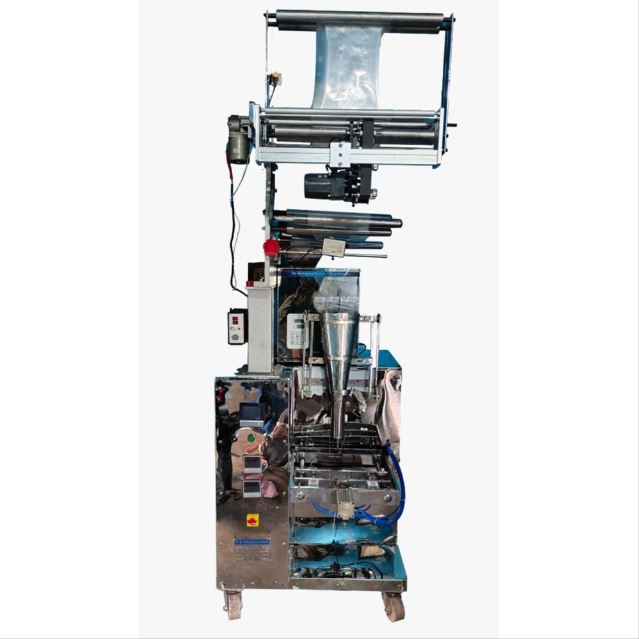 | Industrial Packaging Machine Manufacturer & Supplier in Indore | PS Packaging The Single Head Packing Machine from PS Packaging, Indore, Madhya Pradesh is a durable and efficient... View product → |
Frequently asked questions
How do you know whether a single-head besan packing machine is large enough?
Divide daily besan kilograms by pack weight, then divide the pack count by available running minutes after breaks, cleaning and changeovers. Compare the result with the machine’s tested packs-per-minute rate.
Why is an auger filler suitable for besan?
An auger controls powdered besan by volume and screw rotation. Cup fillers suit free-flowing granules, while multihead weighers are designed for faster weighing of discrete or free-flowing products.
How should you calibrate a besan powder filling machine?
Run the machine with your actual besan, pack material and target pack size. Weigh repeated packs, adjust auger settings, and confirm average weight and variation before production.
How can you correct weight drift, flour dust and leaking seals?
Check besan flow, hopper bridging, auger loading and repeated pack weights for drift. Control dust at the filling point, then inspect jaw temperature, pressure, dwell time and contamination when seals leak.
What should you compare when choosing an automatic packing machine supplier in Nagpur?
Compare tested output with besan, weighing tolerance, auger design, dust control, pouch dimensions, sealing range, changeover time, cleaning access, documentation, installation and service response.