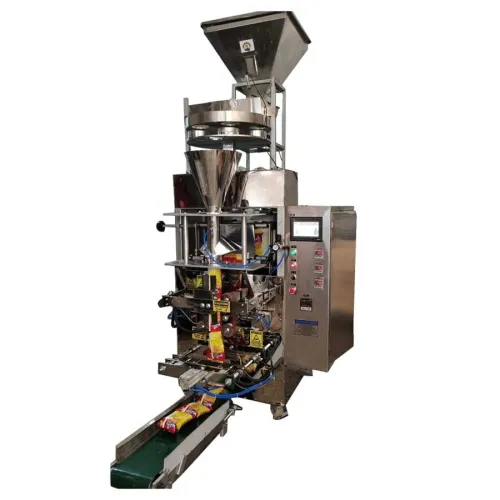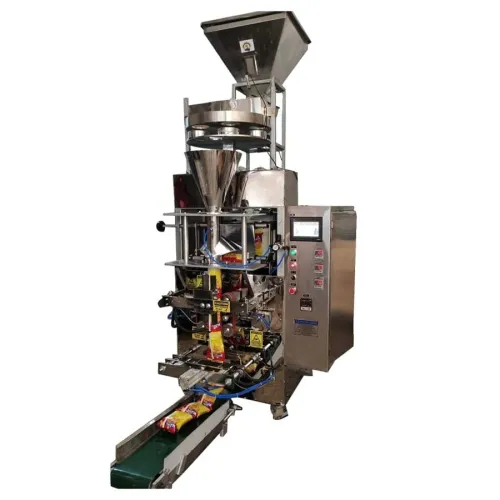


Harvest demand exposes the gap between a machine’s catalogue speed and the output your plant can sustain. You need to convert incoming tonnage into reliable pouch production, match the equipment to each pulse and pack size, and test the complete line before committing capacity for the season.
Key takeaways
- Convert tonnes into saleable packs before comparing machine speeds.
- Match pulse size, shape and flow behaviour to the feed system.
- Demand tested output, pack accuracy, seal quality and stoppage records.
- Compare service coverage, spares and quote inclusions before harvest begins.
Calculate harvest-season capacity from tonnes, packs and stoppages
Start with saleable packs, not the machine’s catalogue speed. Convert the harvest requirement into packs: 40 tonnes of 1 kg packs equals 40,000 packs; 40 tonnes of 500 g packs equals 80,000 packs.
Divide that demand by scheduled packing hours, then allow for downtime. If 40,000 one-kilogram packs must ship in 16 hours and your planned availability is 75%, the machine needs a nominal rate of 3,333 packs per hour, or 56 packs per minute.
At 1 kg, 30 packs per minute equals a theoretical 1.8 tonnes per hour; 50 packs per minute equals 3.0 tonnes. Neither figure includes refilling, film splicing, rejected packs, weighing checks or changeovers.
Use this capacity checklist for a pulses packing machine for harvest season in Nagpur:
- Record tonnes received, pack sizes, dispatch days and required finished stock.
- Calculate packs per day: tonnes × 1,000 ÷ pack weight in kilograms.
- Subtract planned time for cleaning, product changes, film changes, calibration and maintenance.
- Add stoppage allowance for breakdowns and rejected seals; do not treat 100% availability as a plan.
- Check that the elevator can exceed the filler’s consumption and that the buffer hopper covers refill interruptions.
- Test the pulses packing machine on representative tur, chana, moong or urad lots before fixing the purchase rate.
If the cleaner runs while the packing line starves, or an undersized buffer stops the filler, extra catalogue speed will not produce extra tonnes.
Match tur dal, chana, moong and other pulses to the feed system
Match the feeder to the lot, not merely the pulse name. Kernel size, shape, bulk density, broken-kernel percentage and surface dust determine whether a food packaging machine feeds smoothly or produces slow, inconsistent weighments.
| Pulse | Feed-system concern | What to check |
|---|---|---|
| Tur dal | Split kernels and mixed sizes can bridge or fall unevenly | Adjustable gates, feeder amplitude and weigh-hopper timing |
| Chana dal | Dense, irregular pieces can overload a fast feed | Coarse and fine-feed control with sufficient hopper capacity |
| Moong | Small, light kernels and dust can flow unpredictably | Gentle vibration, enclosed transfers and dust extraction |
| Urad, masoor and whole gram | Shape, density and broken grains vary sharply between lots | Trial settings for feed rate, cut-off timing and target weight |
Install the packaging machine for grains after cleaning, grading and destoning equipment. Stones, metal, husk, oversized kernels and excess dust cause weighment errors, gate or auger wear, seal contamination and stoppages. An undersized elevator or buffer hopper can also starve the filler while the cleaning plant runs.
Remove dust at transfer points with local extraction, and provide accessible clean-out areas. Do not blow dust into load cells, bearings or electrical cabinets; sensor faults and cross-contamination follow.
Ask for inspectable product-contact parts, hygienic welds, minimal dead zones, material declarations and cleaning instructions. For an intermittent VFFS machine, clean film interfaces matter as much as jaw temperature, dwell time, pressure and alignment. Dust trapped in a seal creates channels and pinholes; adding heat will not reliably fix contamination.
Choose the filling method and request specifications that expose real output
Choose net-weigh filling for retail pulses because bulk density changes with variety, moisture, fines and vibration. A volumetric cup filler suits uniform product and lower accuracy demands, but density changes require adjustment. Keep the pulses packing machine after cleaning, grading and destoning; stones, dust and oversized kernels cause weighment errors, seal contamination and downtime.
| Method | Best fit | Main limitation |
|---|---|---|
| Multihead net-weigh | 500 g, 1 kg, 2 kg and 5 kg packs of tur dal, chana, moong, urad or mixed lots | Higher cost; request head count and actual speed for each product |
| Volumetric cups | Uniform whole gram or consistently graded pulses in repetitive pack sizes | Density variation changes fill weight; frequent calibration is necessary |
| Semi-automatic single-head net-weigh | 5 kg and 25 kg bags, smaller production runs or frequent product changes | Lower bags-per-minute output and more operator involvement |
Ask the supplier to state these figures for each pulse and pack size:
- Target weight range and guaranteed accuracy, such as ±1 g at 500 g or ±5 g at 5 kg.
- Bags per minute after weighing, film change, cleaning and weight checks.
- Number of weigh heads, hopper capacity and permissible kernel size.
- Feeder amplitude and timing adjustments for broken grains, fines and irregular kernels.
- Elevator and buffer-hopper capacity, so the packaging machine for grains does not starve.
- Compressed-air pressure and consumption, electrical load, film width, pouch dimensions and sealing type.
- Jaw temperature, dwell time, pressure and film alignment settings; dust in the seal creates pinholes that extra heat will not fix.
- Product-contact materials, weld finish, clean-out access, material declarations and cleaning instructions.
Use a factory trial to verify weight, seals and complete-line throughput
Run a factory acceptance test with your own Nagpur-season pulses before approving a food packaging machine. A polished demonstration using clean, uniform kernels can hide feeder instability, dust-related seal faults and weight variation between lots.
Send representative samples from the lots you expect during harvest, including broken kernels and normal surface dust. Test the proposed pulses packing machine for harvest season in Nagpur at each intended pack size and record:
- Target weight and actual average weight
- Weighing accuracy and product giveaway
- Bags per minute during a sustained run
- Rejected bags and the reason for each rejection
- Seal strength, leakage and visible channels or pinholes
- Film change, product changeover and cleaning time
Ask for a complete-line trial, not a filler-only demonstration. Run the elevator, cleaning discharge, buffer hopper, filler, VFFS machine and takeaway conveyor together. An undersized buffer hopper can starve the filler; a slow elevator can leave the packing machine idle even when the weighing unit meets its catalogue speed.
Inspect the seal area after dust exposure. Reliable intermittent VFFS sealing requires clean film interfaces, correct jaw temperature, dwell time, pressure and alignment; increasing temperature alone will not fix contaminated seals.
Before signing, obtain material declarations for product-contact parts, cleaning instructions and the trial report with pass/fail limits. Reject a trial that proves only nominal speed.
Compare configurations, quote inclusions and seasonal service before buying
Choose head count from sustained harvest demand, not the highest catalogue speed. A four-head unit suits lower volumes, frequent product changes or a processor that values simpler cleaning and lower capital cost.
A 10-head machine is the practical middle ground; a 14-head machine earns its cost when several pack sizes must run at high, steady utilisation.
| Configuration | Best fit | Check before buying |
|---|---|---|
| Four-head | Lower or variable daily demand | Output after cleaning, film changes and weight checks |
| 10-head | Mixed pulses and regular harvest production | Head count, hopper capacity and changeover time |
| 14-head | High sustained demand with limited downtime | Giveaway, rejection rate and required operator skill |
Ask every automatic packaging machine company for one like-for-like quotation containing the following:
- Delivered installation scope for your Nagpur site, including electrical load, compressed-air quality, platform, conveyors and commissioning.
- Food-contact material declarations, hygienic weld details, cleaning instructions and access to weigh hoppers, gates and sealing jaws.
- A written spare-parts plan covering load cells, sealing heaters, pneumatic valves, sensors and forming collars.
- Named service contacts, remote diagnostics, operator training, preventive-maintenance visits and maximum response time during harvest.
- Factory acceptance results using representative tur, chana, moong or urad lots, recording weight accuracy, giveaway, seal strength, rejection rate and changeover time.
PS PACKAGING belongs on the comparison sheet only after it supplies these figures for the proposed pulses packing machine, rather than asking you to compare model names alone. Check the final giveaway target against the current Legal Metrology Packaged Commodities rules before approving the quote.
Related products
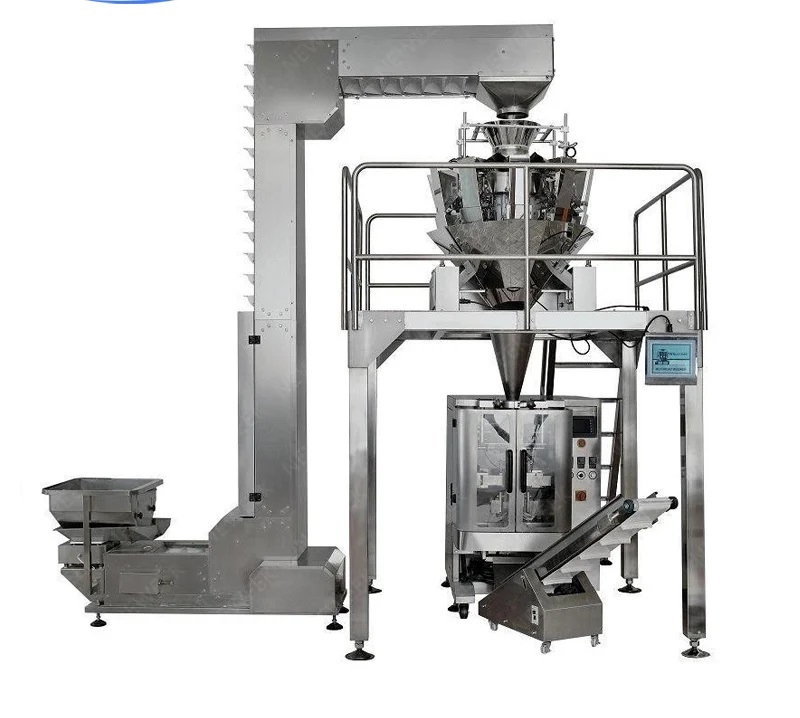 | Multihead Head Packing Machine Multi Head 10 Head Packing Machine Manufacturer & Supplier in Indore | PS Packaging Price: Get Best Price / Request a Quote MOQ: 1 Unit The Multi Head 10 Head Packing Machine from PS... View product → |
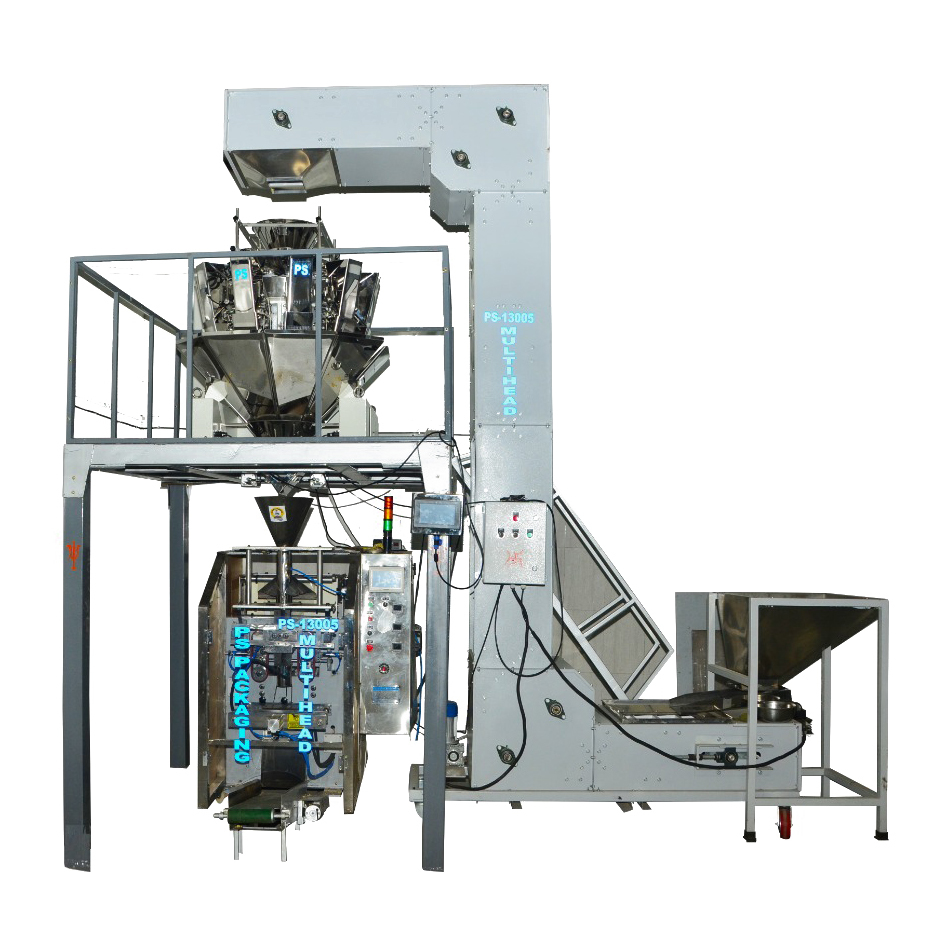 | Multihead Head Packing Machine Multihead Packing Machine The Multihead Packing Machine is a fully automatic, high-speed packaging solution designed for precise weighing, filling,... View product → |
Frequently asked questions
How do you calculate harvest-season packing capacity?
Convert tonnes into packs first: 40 tonnes of 1 kg packs equals 40,000 packs, while 40 tonnes of 500 g packs equals 80,000 packs. Add planned stoppages for cleaning, changeovers, maintenance and material replenishment before selecting a machine.
Which feed system suits tur dal, chana and moong?
Match the feeder to the pulse’s size, shape, surface and flow behaviour. Test tur dal, whole chana, moong and mixed or broken pulses because their feeding consistency and bridging risk differ.
What specifications reveal a machine’s real output?
Request tested packs per minute for each pack size, target weight accuracy, product and pouch specifications, changeover time, reject rate, seal temperature range and the conditions used for the quoted speed.
What should a factory trial verify before purchase?
Run your own pulses and pouches through the complete line. Check pack weight, seal integrity, leakage, rejected packs, stoppages, changeover time and finished packs per hour rather than relying on catalogue speed.
Related products
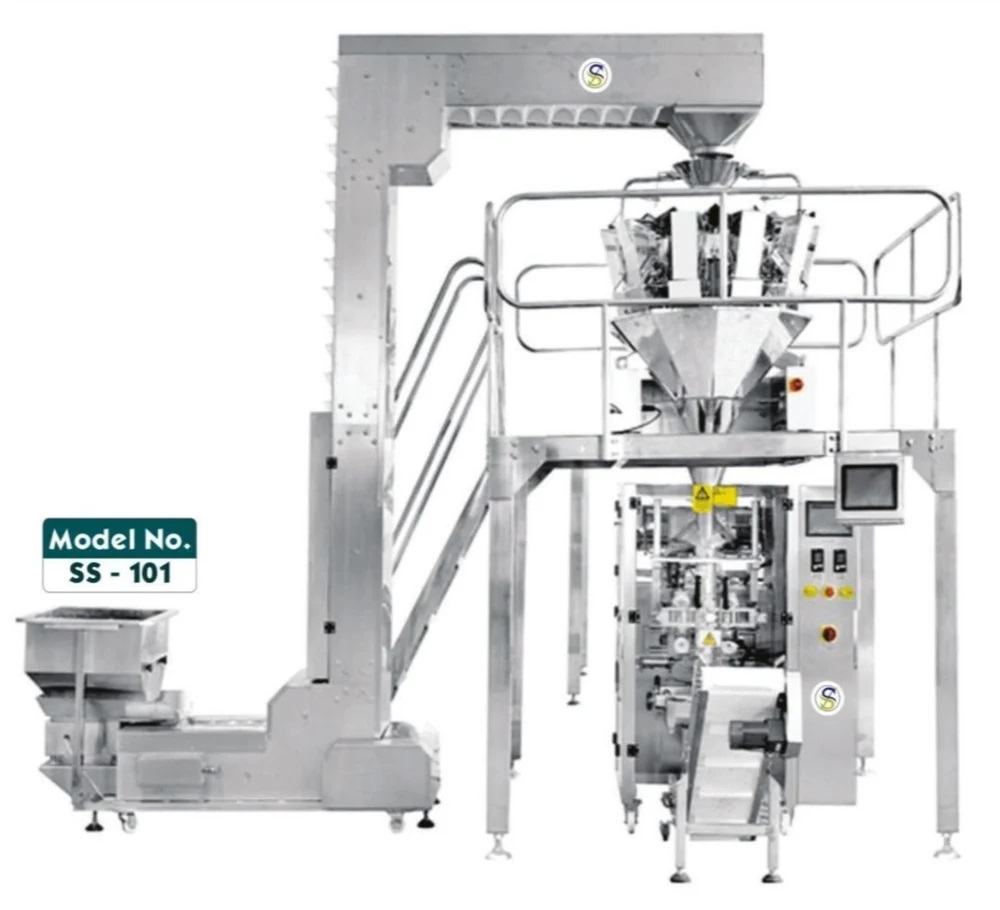 | Multihead Head Packing Machine Multi Head 14 Head Packing Machine Manufacturer & Supplier in Indore | PS Packaging Price: Get Best Price / Request a Quote MOQ: 1 Unit The Multi Head 14 Head Packing Machine from PS... View product → |
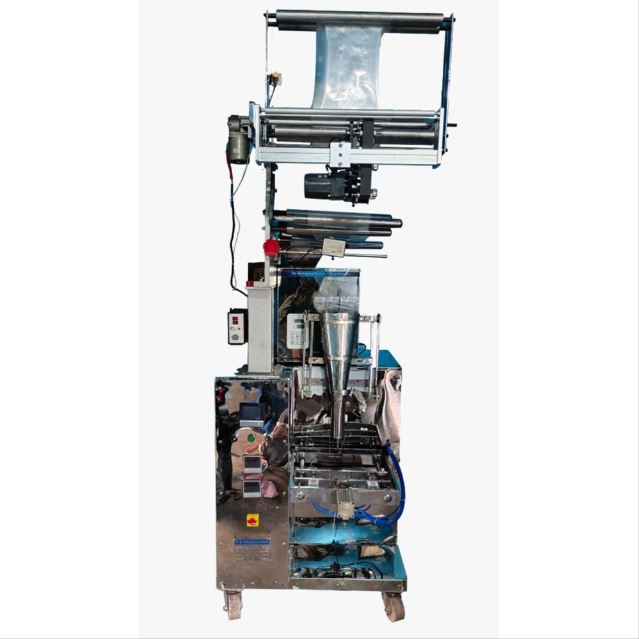 | Industrial Packaging Machine Manufacturer & Supplier in Indore | PS Packaging The Single Head Packing Machine from PS Packaging, Indore, Madhya Pradesh is a durable and efficient... View product → |
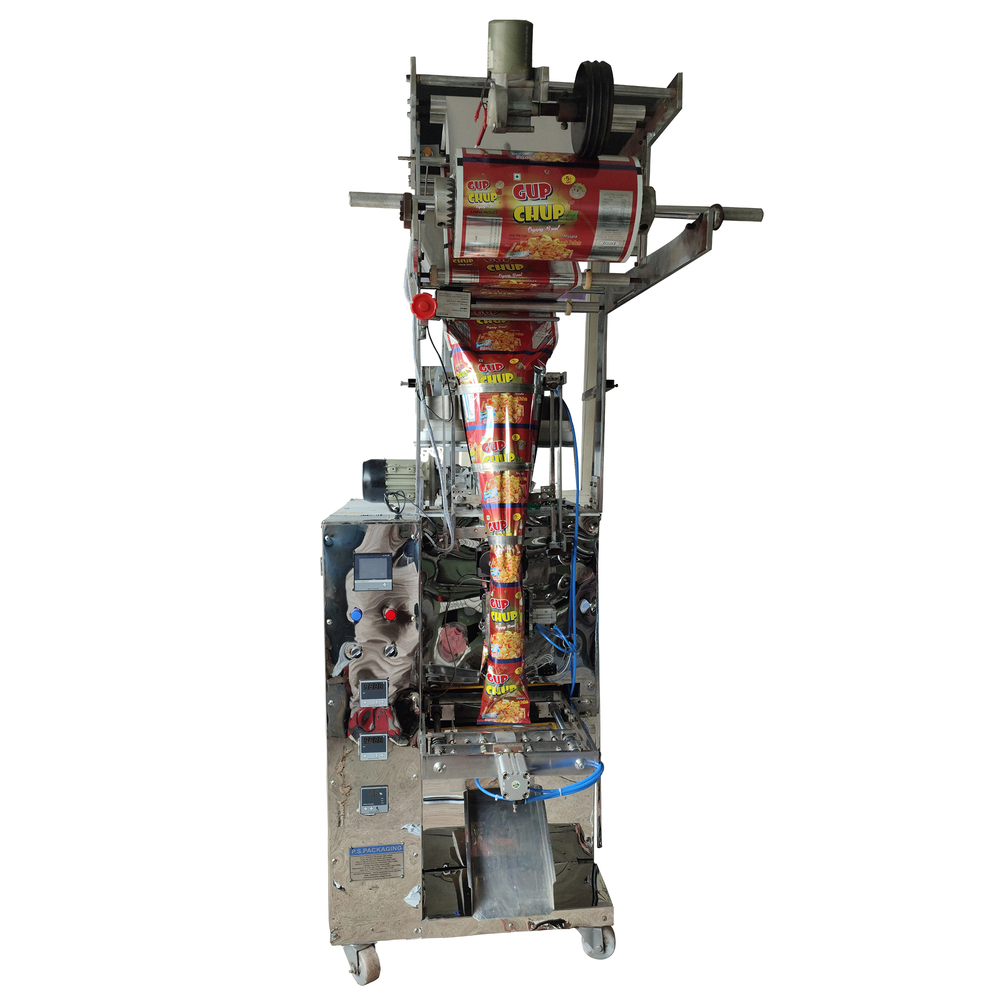 | Industrial Packaging Machine Pneumatic Cup Filler Packing Machine Manufacturer & Supplier in Indore | Patna | Nagpur -PS Packaging The Pnematic Cup Filler Packing Machine from PS Packaging, Indore, Madhya Pradesh is... View product → |