
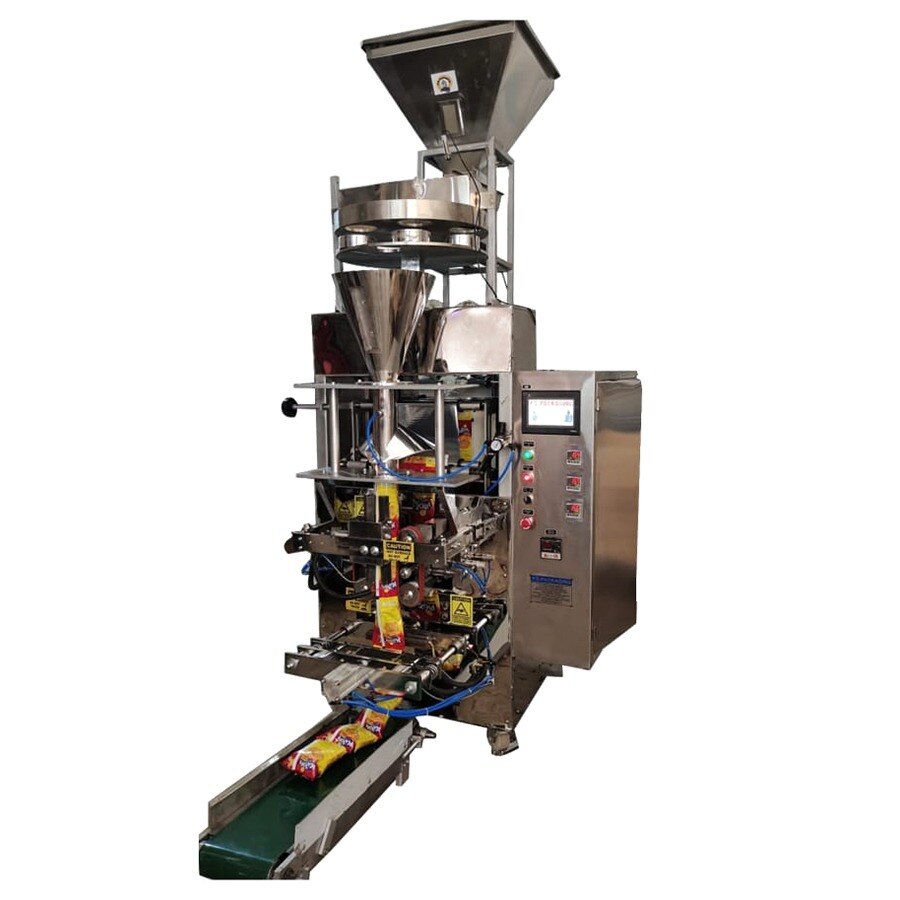
A wafer line cannot be matched by speed alone: the product’s length, fragility, orientation, pack format, film and existing conveyor determine whether a machine will run reliably. By the end, you will be able to compare machine types, audit your installed line, define measurable targets and request a trial that proves throughput, breakage and seal quality.
Key takeaways
- Choose HFFS for layered wafer bars and VFFS for loose snack pieces.
- Measure your existing line before requesting a packing machine quote.
- Test wafer breakage, seal quality, speed and film performance before purchase.
- Compare labour, maintenance, accuracy and downtime—not just machine price.
Choose the packing architecture around the wafer, not the machine label
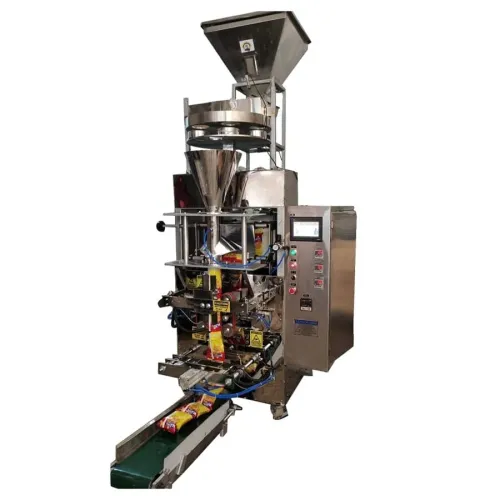
A layered wafer bar usually belongs on a horizontal form-fill-seal (HFFS) flow wrapper, while loose namkeen, cereal or snack pieces usually belong on a vertical form-fill-seal (VFFS) machine. A VFFS forming tube and gravity drop can crack layers, disturb stack direction and create crumbs.
A lugged or flighted infeed controls orientation, product pitch and impact before the wrapper makes its longitudinal fin seal and two transverse end seals.
| Option | Product received | Best fit |
|---|---|---|
| HFFS flow wrapper | Counted, individually oriented bars or stacked wafers | Fixed length and width, controlled orientation, low breakage |
| VFFS with multihead weigher | Loose granular pieces or irregular snacks | Variable piece weight where weighing offsets count variation |
| Single-head filler | Counted bars, stacks or measured loose portions | Simple products with moderate speed and fewer changeovers |
| Cup filler | Free-flowing granules or uniform pieces | Repeatable volume, not fragile layered stacks |
| Auger filler | Powdered or fine products | Flour, spice or seasoning; not coated wafers |
| Pneumatic pouch packing machine | Pre-counted or pre-portioned product transferred into pouches | Pouch formats requiring controlled air-operated handling |
Choose from wafer length and width, coating, crumbs, stack direction, product weight, breakage risk and acceptable weight variation—not the label wafer packing machine. For a wafer packing machine for comparison in patna, check lane management, flight spacing, product pitch and accumulation: these determine sustained flow-wrap output more than the wrapper’s rated packs per minute.
A wafer packing machine that drops or vibrates the product aggressively is the wrong fit even if its weighing accuracy looks impressive.
Turn the existing line into a machine specification
Measure the existing line before asking for a quotation. A machine that fits the product can still fail at the conveyor, film path or utility connection.
1. Record target packs per minute, product count or pack weight, acceptable weight variation, wafer length, width and stack orientation. Add film structure, thickness, coefficient of friction, barrier values, sealing-temperature window, web width, pouch length and width, fin-seal or three-side-seal format, and sealing-jaw dimensions.
2. Record electrical supply, compressed-air pressure, air consumption and available floor space. Measure machine centre-line, conveyor and infeed elevations, discharge clearance, product-flow direction and upstream product pitch. Check that guards, doors and safety interlocks will meet the new machine without obstructing access.
3. For an installed VFFS or HFFS line, document PLC communication, encoder and sensor signals, film path, registration-mark position, motor data, change parts, forming sets and sealing-jaw compatibility. Photograph every connection and nameplate; a missing signal or mismatched forming set can stop an otherwise suitable packaging machine for snacks.
4. Request a sustained rate for the actual wafer dimensions and pack format, not the catalogue maximum. Gaps, misfeeds, film splices, reject handling, format changes and the slowest connected machine reduce output, while a conventional flow wrapper also depends on lane management, flight spacing and accumulation.
Use the measurements to define fabrication work before pricing. A quote that omits utility demand, guarding interfaces or change parts is incomplete.
Compare accuracy, damage, labour and maintenance before comparing price
Once mechanical fit is confirmed, compare product loss before purchase price. A wafer packing machine is unsuitable when vibration, repeated transfers or drop height create more broken stacks and crumbs than weighing accuracy saves.
Servo-driven film registration and product tracking give direct control over changing pack lengths, print marks and product pitch; pneumatic clamping, cutting and sealing depend on stable pressure and cushioning.
| Option | Accuracy and product effect | Labour and maintenance |
|---|---|---|
| Counted, lane-based or pocketed feeding | Best for uniform wafer bars where orientation and breakage matter; reduces drop height, crumbs and underweight packs caused by empty pockets | Faster loading and cleaning; inspect lanes, pockets and sensors |
| Multihead weigher | Suits free-flowing snacks; weighing helps when piece mass varies substantially, but vibration and transfers can increase giveaway, broken stacks and weight-distribution spread | More adjustment, weighing heads and spares; clean access and calibration take time |
| Single-head or cup feeding | Suits consistent piece size and fixed portions; large mass variation creates giveaway or underweight packs | Simpler changeover and fewer parts, but operators may load more product manually |
Record giveaway, underweight rejects, broken stacks, crumbs, changeover duration, cleaning access, operator loading, sensor adjustment and spare-part availability. For a pneumatic pouch packing machine, verify the site before accepting its specification:
- Confirm working pressure, peak air demand during simultaneous strokes and connection size.
- Measure pressure at the machine, not only at the compressor.
- Check dryer performance and ISO 8573-1 controls for particles, water and oil.
- Allow for pressure drops; unstable air makes clamping and sealing inconsistent.
Prove the machine with your wafers, film and Patna operating conditions
Reject a wafer packing machine that has only passed a demonstration with substitute product. Require a documented acceptance test using your actual wafer length and width, coating, stack or count, target weight, film structure and width, pouch dimensions, and intended line speed.
1. Define the trial lot and run conditions: sample quantity, sustained run duration, packs per minute, product gaps, film waste, and changeover time. Do not accept a momentary speed reading as proof of line capacity.
2. Record breakage rate, broken-stack count, crumbs, weight distribution, count errors, underweight rejects, seal contamination, leak rejects, and measured seal strength. Inspect every longitudinal fin seal and transverse end seal for wrinkles, channels, incomplete fusion, and product trapped in the seal.
3. Test the finished packs after nitrogen flushing and storage exposure. Nitrogen reduces oxygen exposure; it does not stop moisture-driven softening. Assess residual oxygen, film water-vapour barrier, seal integrity, storage humidity, and wafer crispness together.
4. Repeat the trial in Patna’s hot, humid conditions, including condensation risk and the plant’s actual compressed-air pressure while other pneumatic equipment operates. Record pressure drops, peak air demand, dryer performance, connection size, and air quality; static pressure alone can hide a failed pneumatic cycle.
Approve the machine only when it meets the agreed sustained rate and defect limits with your product, film, utilities, and operating environment—not merely under controlled factory conditions.
Prepare a quote-ready comparison and select the supplier
Send an automatic packing machine supplier a measured line file, not a request for catalogue speed. For a wafer packing machine for comparison in Patna, complete this procedure:
1. Photograph the line from every side and attach a dimensioned layout showing floor space, product-flow direction, infeed and discharge clearance, centre-line height, conveyor height, guarding interfaces and available utilities.
2. Record each machine nameplate, motor rating, electrical supply, conveyor speed, PLC and sensor signals, film path, sealing-jaw dimensions and change parts. Include film certificates or specifications, web width, pouch dimensions and seal format.
3. Add current fault history, rejected-pack samples, underweight records, production logs, and photographs showing wafer breakage, crumbs, wrinkles or seal defects.
4. Send the exact wafer length, width, coating, stack or count, target weight, film structure and intended pack format.
Compare written commitments, not advertised maximums:
| Requirement | Supplier must state |
|---|---|
| Throughput | Sustained packs per minute for your wafer and format |
| Quality | Breakage, reject, underweight and count-error limits |
| Film and changeover | Film range, spare change parts and changeover time |
| Integration | Utilities, ISO 8573-1 air class, guarding and PLC signals |
| Delivery | Installation scope, commissioning and operator training |
Require food-contact materials to meet applicable Food Safety and Standards requirements. Check the finished pack for Legal Metrology declarations, including commodity identity, net quantity, packer or manufacturer details and required retail markings.
PS PACKAGING can review these measured requirements, but select it only after an actual-product trial records acceptance criteria, sustained output and defects in writing.
Related products
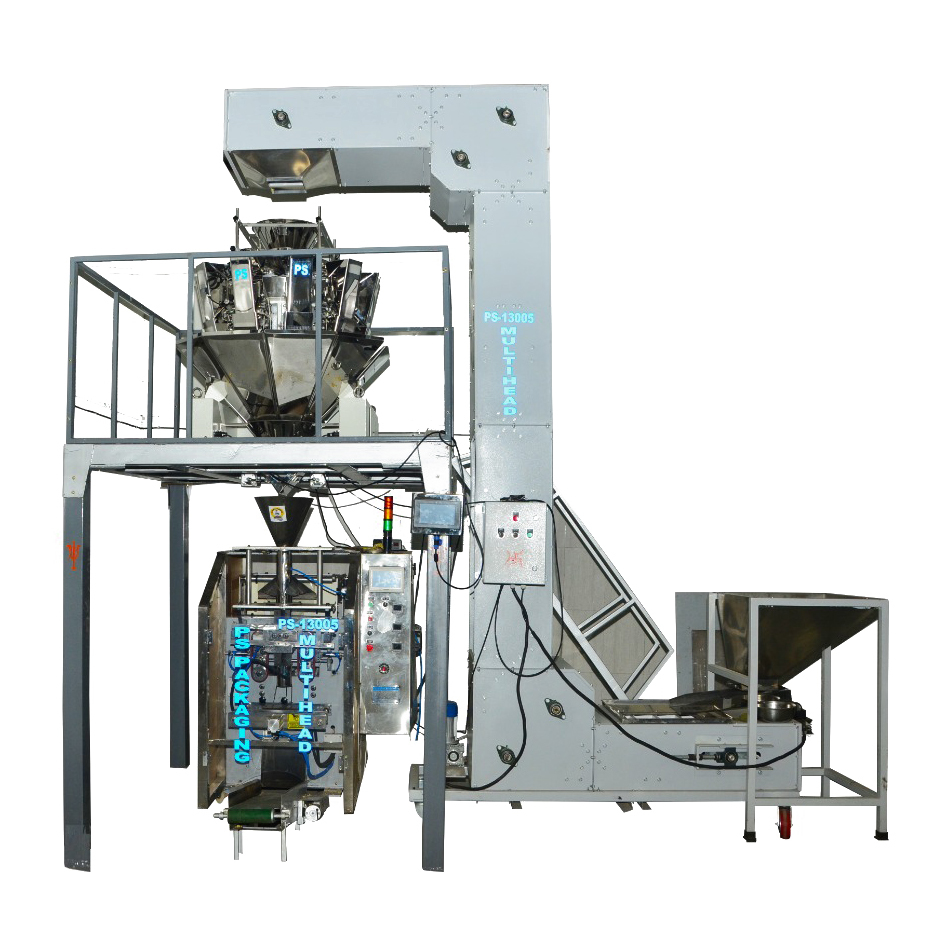 | Multihead Head Packing Machine Multihead Packing Machine The Multihead Packing Machine is a fully automatic, high-speed packaging solution designed for precise weighing, filling,... View product → |
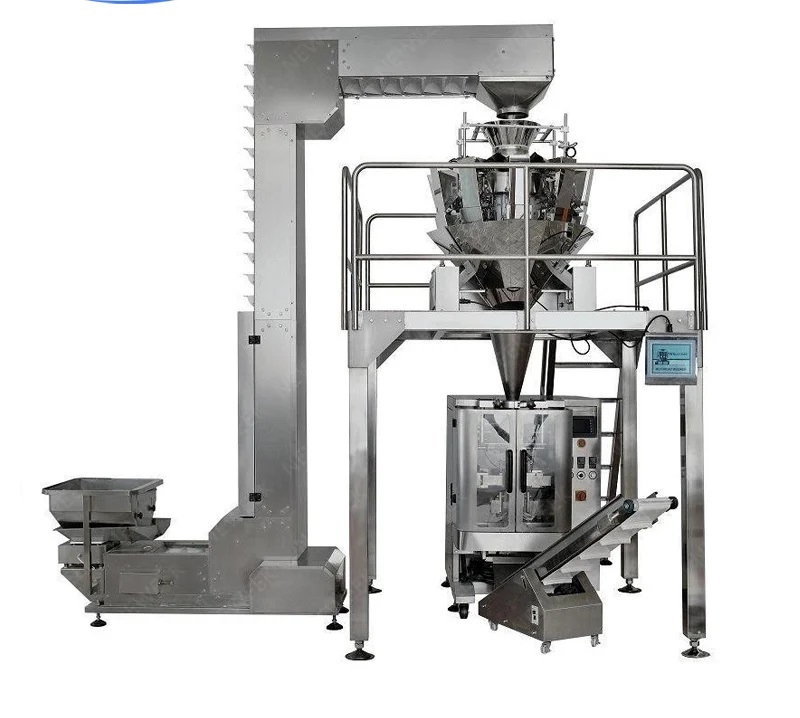 | Multihead Head Packing Machine Multi Head 10 Head Packing Machine Manufacturer & Supplier in Indore | PS Packaging Price: Get Best Price / Request a Quote MOQ: 1 Unit The Multi Head 10 Head Packing Machine from PS... View product → |
Frequently asked questions
Which packing architecture suits layered wafer bars?
A horizontal form-fill-seal flow wrapper usually suits layered wafer bars because it supports controlled product handling and reduces cracking, disturbed stacks and crumbs.
What information should you give a machine supplier?
Provide wafer dimensions, pack size, target speed, film type, sealing requirements, available floor space, electrical supply, air supply and details of the existing line.
How should you compare wafer packing machines?
Compare weighing or counting accuracy, product damage, sealing quality, labour requirements, changeover time, cleaning access, spare parts and maintenance alongside purchase price.
What should a supplier test before installation?
Ask the supplier to run your wafers and film through the proposed machine, recording breakage, crumbs, seal integrity, pack appearance, speed and performance under your operating conditions.
Related products
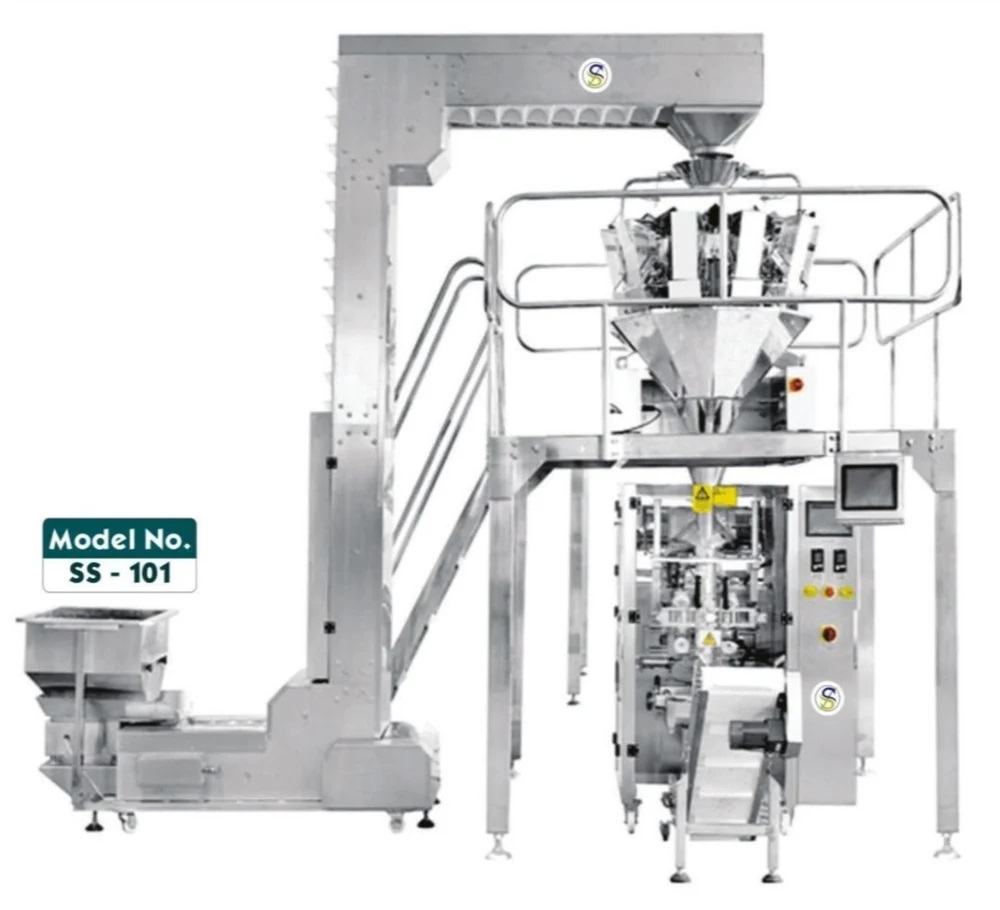 | Multihead Head Packing Machine Multi Head 14 Head Packing Machine Manufacturer & Supplier in Indore | PS Packaging Price: Get Best Price / Request a Quote MOQ: 1 Unit The Multi Head 14 Head Packing Machine from PS... View product → |
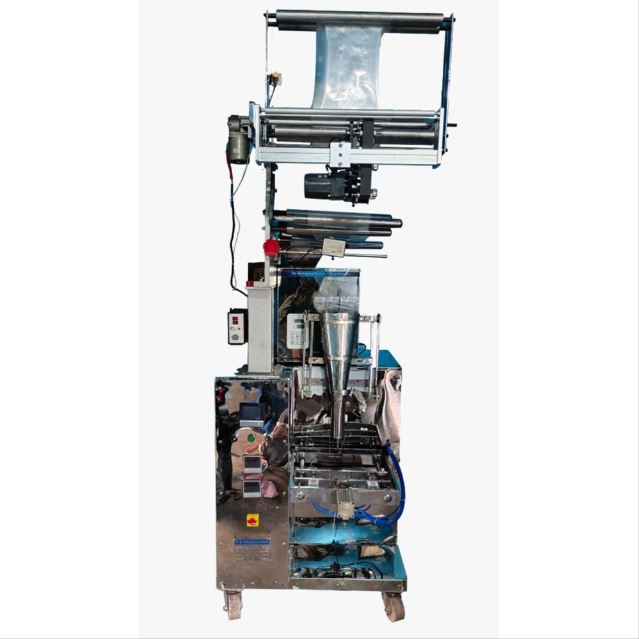 | Industrial Packaging Machine Manufacturer & Supplier in Indore | PS Packaging The Single Head Packing Machine from PS Packaging, Indore, Madhya Pradesh is a durable and efficient... View product → |