
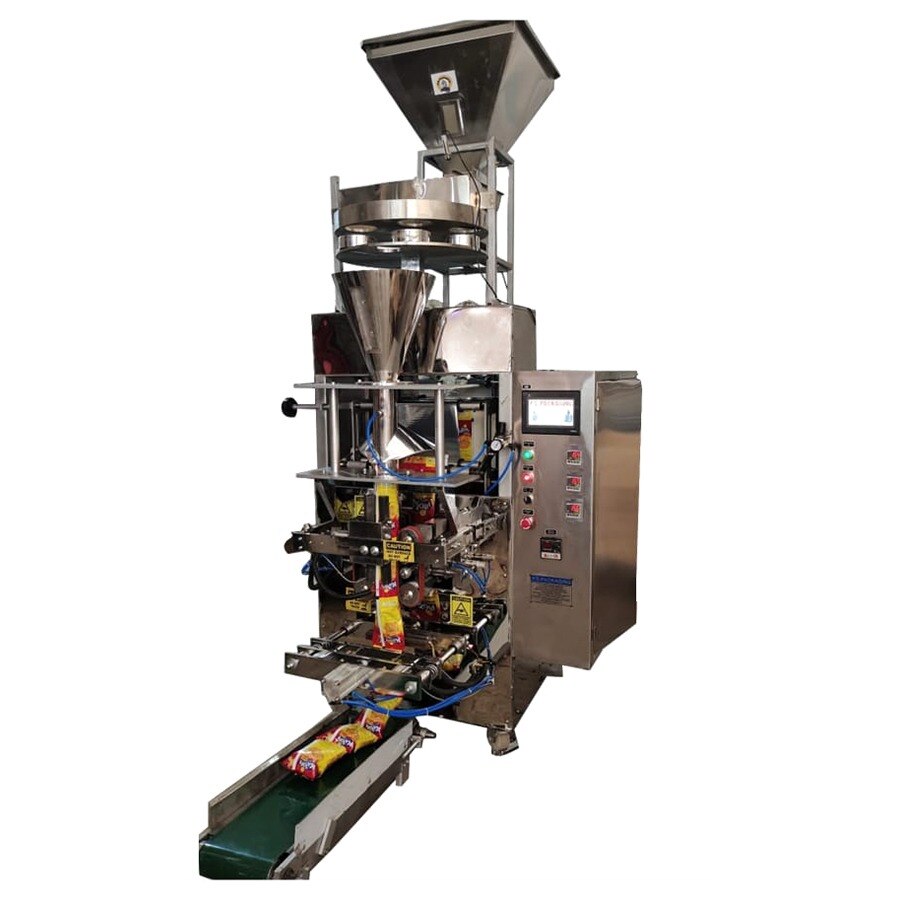
Wafer packaging must protect a fragile product while controlling weight, moisture, sealing quality and labour cost. By the end, you will know which wafer products suit automated packing, which machine and film specifications to compare, and how to test whether the investment improves usable output rather than only nominal speed.
Key takeaways
- Use automation for uniform wafers, cream wafers and coated wafer bars.
- Match multi-head weighing to product fragility, size and target pack weight.
- Specify low-tension film, controlled sealing temperature and seal inspection.
- Measure output, giveaway, rejects, labour and downtime before approving the investment.
Which wafer products benefit from automated packing?
Uniform wafer biscuits, cream wafers and coated wafer bars benefit most from automated packing because guides, conveyors and dosing systems can handle repeatable dimensions and counts. Loose wafer pieces and mixed snack packs are harder: irregular shapes may need hand placement, counting assistance or visual inspection.
Fragility is the primary engineering constraint. Uncontrolled drops, compression and product accumulation cause cracking, chipping, delamination and coating damage. A wafer packing machine for snack manufacturers must therefore prioritise low-drop transfers, cushioning and controlled accumulation over nominal speed.
| Option | Labour demand and consistency | Throughput and damage considerations |
|---|---|---|
| Automatic | Lowest operator dependency; strongest pack-to-pack consistency | Highest sustained capacity, but poor infeed control creates rejects and breakage |
| Semi-automatic | Moderate labour; operators load, align or inspect products | Useful for variable products and shorter runs, with greater handling risk |
| Manual | Highest labour; consistency depends on each operator | Suitable for small volumes, but slow and vulnerable to compression and counting errors |
Before requesting quotations, record piece length, width, thickness, count per pack, bulk density, moisture level and acceptable breakage rate. Compare usable packs per minute, not advertised cycle speed: stoppages, rejected packs, film changes, seal contamination, cleaning and damaged wafers reduce saleable output.
Automation is a poor fit for very low volumes, highly irregular pieces or frequent small-batch changes. In those cases, manual or semi-automatic packing may cost less and protect the product better.
How should you choose the weighing and feeding system?
A multi head packing machine suits wafers with variable piece weights when accurate combinations reduce giveaway. It is not automatically right: repeated drops into weigh buckets can chip fragile sheets or coated bars.
| Option | Strength | Main wafer risk or use |
|---|---|---|
| Multi-head weighing | Selects accurate weight combinations | Use a low-drop layout for fragile, variable pieces |
| Linear weighing | Simple, controlled dosing | Better for moderate speeds and less size variation |
| Volumetric cup filling | Fast dosing by volume | Weight changes with bulk density and piece size |
| Counting or collating | Handles uniform bars or fixed counts | Best when pieces are consistent and impact must be limited |
| Manual dosing | Maximum handling control | Labour-intensive and inconsistent at higher output |
The working sequence is product supply and cushioned accumulation, weigh-hopper combination selection, timed discharge, vertical forming, pouch filling, heat sealing and date coding. A poorly matched infeed interrupts every step.
Specify hopper geometry, chute angle, gate timing and vibration during trials. These settings control bridging, clinging, crumbling and size variation. Reduce drop height and use guided transfers when impact matters more than peak speed.
Compare 10-head and 14-head systems using your target weight, piece variation, available combinations, giveaway, breakage, changeover time and sustained usable speed. More heads do not guarantee more saleable packs.
Build verification into the wafer packing machine: check pack weights at start-up, perform scheduled in-process checks, reject underweight packs and retain documented calibration or verification records. A short demonstration cannot reveal breakage or unstable accumulation.
What pouch, film and seal specifications protect wafer quality?
Choose the pouch format from product dimensions, orientation, film width and coding space; a packaging machine for FMCG products cannot correct a poor pack design.
| Format | Pack planning point | Main implication |
|---|---|---|
| Pillow pouch | Flat product, defined length and width | Economical film use; reserve a clear coding panel |
| Centre-seal pack | Product sits between longitudinal seals | Check fin-seal alignment and seal width |
| Gusseted bag | Greater depth for bulkier or mixed pieces | Needs more film and careful product distribution |
| Sachet or custom pouch | Small portions or unusual shapes | Confirm forming, coding and jaw clearance |
Film thickness alone does not predict crispness. Specify the laminate structure, food-contact suitability under Indian FSSAI requirements, sealant layer, water-vapour barrier, oxygen barrier, coefficient of friction, thickness, registration marks and seal-temperature compatibility. Moisture migration softens wafers; oxygen exposure accelerates deterioration in fat-containing recipes.
Nitrogen flushing can reduce oxygen exposure, but it cannot replace an adequate moisture barrier or a leak-free seal. Establish residual-oxygen targets through shelf-life testing for the recipe, fat system, pack volume and distribution conditions.
Use this acceptance procedure:
- Evacuate crumbs before the jaws close; provide accessible jaw cleaning, controlled temperature, dwell time and adjustable pressure.
- Check seal width, run leak tests, verify net weight, inspect breakage and coding, then record film lot, settings, stoppages and rejects.
- Validate the same controls across representative runs, not an empty machine demonstration. These packaging automation solutions protect presentation only when seals remain clean and consistent.
What must the complete wafer packing line provide?
A complete wafer line must connect the upstream conveyor, controlled accumulation, filler, sealing and coding equipment, then discharge stable packs to metal detection or checkweighing and case packing. A fast packaging machine for FMCG products becomes a bottleneck when wafer supply is intermittent or operators must remove crushed, open or unstable packs by hand.
Confirm the electrical load, phase, isolation points and control-panel location before installation. Specify the required compressed-air pressure, flow, filtration and dryness; oil or water in the air supply can affect cylinders, valves and pack hygiene. Reserve floor space for film-roll loading, cleaning access, maintenance and safe movement around the finished-pack discharge.
Use this line-readiness procedure:
- Measure sustained product supply and accumulation capacity. Specify a conveyor and buffer that prevent starvation without compressing wafers.
- Confirm coding equipment, print area and code position for batch number, date and Legal Metrology declarations such as net quantity, MRP, and manufacturer or packer details.
- Set and record recipes for wafer size and pack weight. Include product-guide position, forming collar, film width, sealing temperature, coding position and other recipe parameters.
- Document film-roll changes, hopper and chute sanitation, lubrication, preventive maintenance, spare-parts availability and operator training.
- Validate hygienic food-contact parts, allergen changeover, cleaning records and traceability records. Obtain supplier documentation for the actual food-contact laminate, ink and adhesive system.
- Check metal detection or checkweighing, finished-pack discharge and downstream case packing. Review plastic-packaging compliance before launch.
These packaging automation solutions also need a documented changeover test for every wafer size, weight and film roll. Include seal checks, pack stability and handoff into cases, not just filler speed.
How can you prove the machine improves the business case?
A wafer packing machine for snack manufacturers earns its place through saleable packs, not catalogue speed. Compare suppliers with the same product, film and acceptance test; PS PACKAGING becomes one candidate only after it produces evidence under your conditions.
| Supplier comparison | What to verify in writing | Why it matters |
|---|---|---|
| Rated performance | Rated speed, weighing accuracy and sustained usable packs per minute | Cycle speed can hide stoppages and giveaway |
| Pack compatibility | Pouch-size range, film limits and actual roll specification | An unsuitable film creates waste, leaks or poor coding |
| Delivery support | Installation scope, commissioning, training, warranty and after-sales response | Unclear responsibility extends downtime |
| Acceptance terms | Breakage, weight, leak, code and residual-oxygen limits | You need measurable grounds to accept or reject the line |
Run a live trial using representative wafer sizes, coatings, pack weights, film rolls and production duration. Record:
- Breakage at each transfer, giveaway, rejected packs and seal-leak rate
- Code readability and residual oxygen when flushing is used
- Changeover time, cleaning interruptions and line stoppages
- Sustained usable packs per minute, not the fastest observed cycle
Your total-cost model must include start-up and changeover film waste, rejected or damaged wafers, labour, electricity, compressed air, maintenance, spare parts and downtime. Include training and preventive service; otherwise a multi head packing machine can appear cheaper while consuming margin through hidden losses.
Compare its payback with semi-automatic equipment when SKU count is high, runs are short or demand is seasonal. The best packaging automation solutions deliver consistent, compliant packs—not a fast demonstration.
Related products
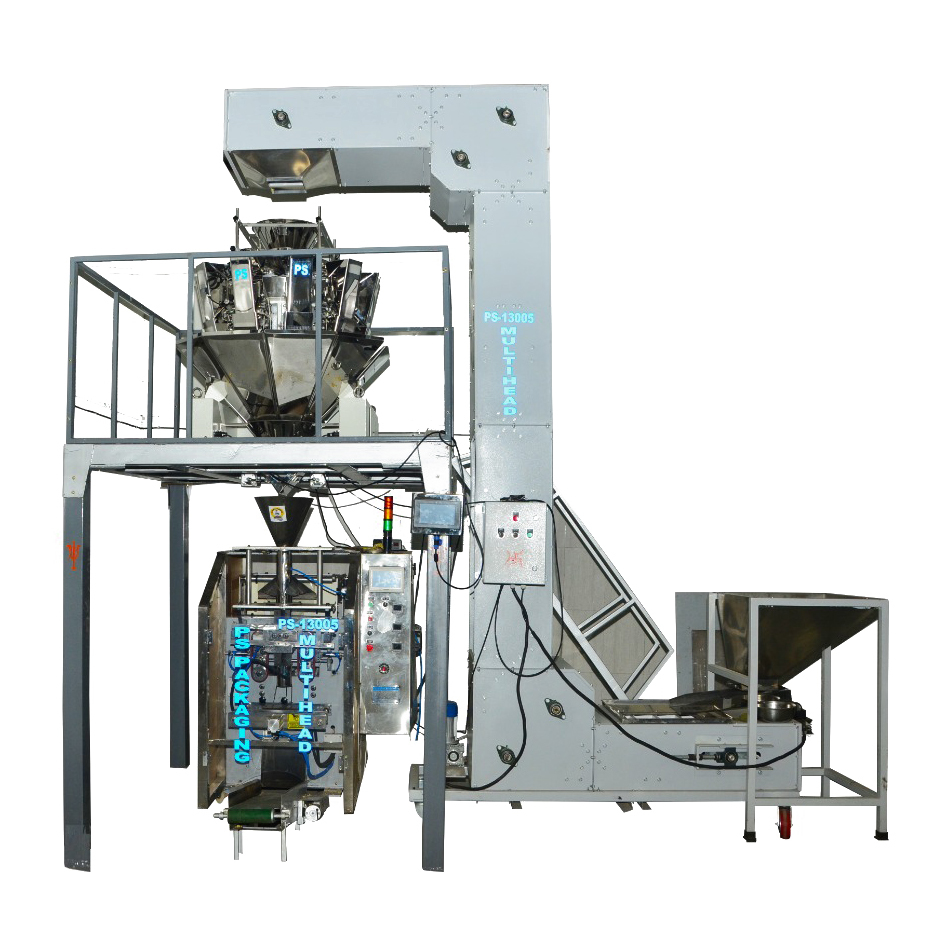 | Multihead Head Packing Machine Multihead Packing Machine The Multihead Packing Machine is a fully automatic, high-speed packaging solution designed for precise weighing, filling,... View product → |
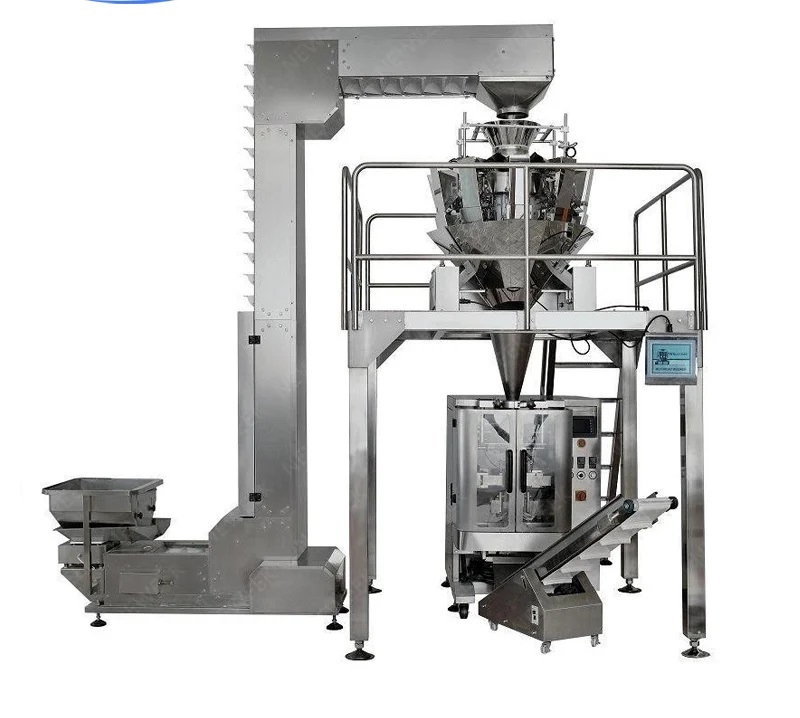 | Multihead Head Packing Machine Multi Head 10 Head Packing Machine Manufacturer & Supplier in Indore | PS Packaging Price: Get Best Price / Request a Quote MOQ: 1 Unit The Multi Head 10 Head Packing Machine from PS... View product → |
Frequently asked questions
Which wafer products benefit most from automated packing?
Uniform wafer biscuits, cream wafers and coated wafer bars suit automated guides, conveyors and dosing systems. Loose pieces and mixed packs need extra counting, hand placement or inspection.
How should snack manufacturers choose a wafer weighing and feeding system?
Choose the feeder and multi-head weigher according to wafer dimensions, breakage risk, target weight, speed and whether the product arrives in consistent portions.
What pouch, film and seal specifications protect wafer quality?
Select film with suitable barrier, stiffness and sealing performance, then set film tension, sealing temperature, dwell time and pressure to prevent crushing, leaks and moisture entry.
What should a complete wafer packing line provide?
The line should coordinate feeding, weighing, pouch forming or supply, filling, sealing, date coding, discharge, inspection and safe changeovers.
How can you prove a wafer packing machine improves the business case?
Compare baseline and trial results for packs per minute, product giveaway, rejects, labour hours, downtime, seal failures and wafer breakage before calculating payback.
Related product
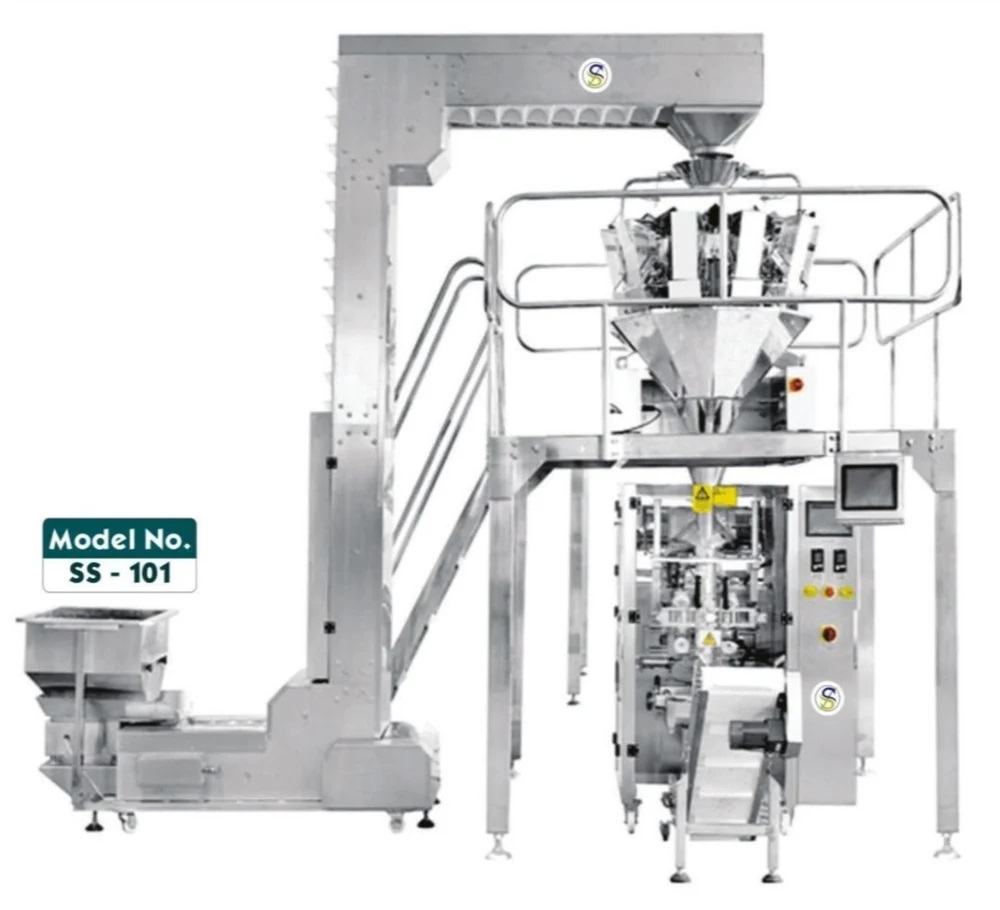 | Multihead Head Packing Machine Multi Head 14 Head Packing Machine Manufacturer & Supplier in Indore | PS Packaging Price: Get Best Price / Request a Quote MOQ: 1 Unit The Multi Head 14 Head Packing Machine from PS... View product → |