
Rice variety, moisture, broken-grain content and pack size all affect whether a packaging line delivers accurate weights without excessive giveaway or damaged seals. By the end, you will be able to compare filling methods, specify the right line architecture and judge machine performance, compliance and service before buying.
Key takeaways
- Use net weighing when declared pack weight matters.
- Match filling equipment to rice variety, flow and pack size.
- Specify speed, bag format and accuracy before comparing machines.
- Calculate giveaway, labour and downtime—not price alone.
Which filling method suits each type of rice?
Net weighing is usually the safer choice for legally declared rice packs because bulk density changes with variety, moisture and handling. A fixed-volume cup can deliver different masses at the same setting.
For a rice packaging machine in Nagpur, judge grain flow, breakage and target accuracy on your own product, not on a speed claim from a packaging machine for food industry brochure.
- Long-grain rice flows readily, but aggressive feeding can crack grains or cause bridging.
- Short-grain rice packs more densely and flows less freely, so settling changes the delivered mass.
- Parboiled rice is hard and free-flowing, while moisture changes its density and dust level.
- Broken rice contains fines that increase dust, compaction and bulk-density variation.
- Polished or oil-treated rice can leave residue; oil reduces dust but can make feeding slippery and inconsistent.
| Method | Best fit | Main limitation |
|---|---|---|
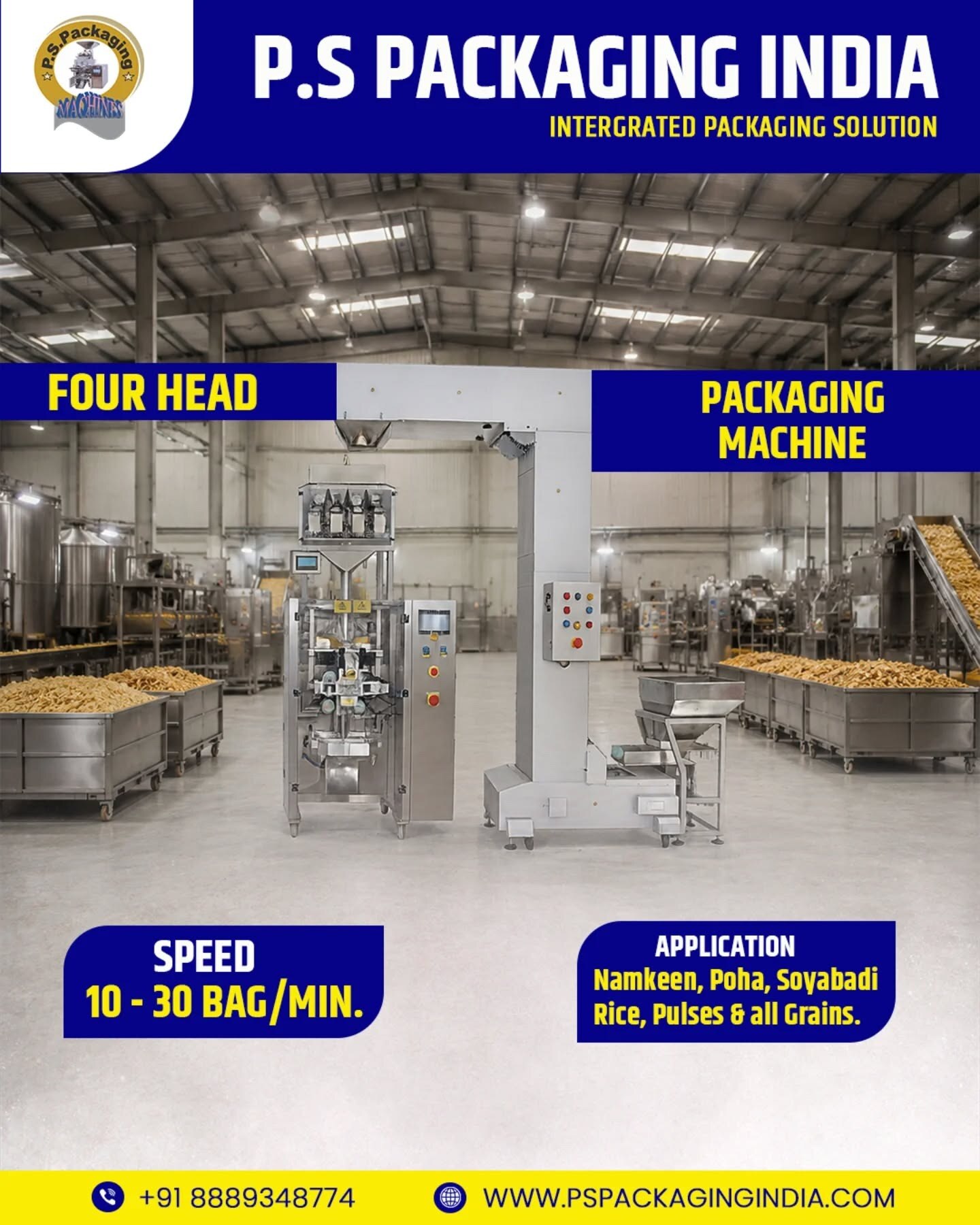
| Multihead weighing | High output and flexible 500 g to 5 kg packs | Higher cost and more settings to clean or change |
| Single-head weighing | Lower volumes, frequent manual handling and larger packs | Slower output |
| Volumetric cup filling | Stable, free-flowing rice with tightly controlled density | Density changes make declared weights inaccurate |
| Auger filling | Powders and fine products | Normally unsuitable for whole rice; friction can cause breakage |
Choose multihead weighing when speed and frequent small-to-medium pack changes matter. Choose single-head weighing for modest production or 10 kg handling. Use cups only after density tests across varieties and moisture levels; do not select an auger because it appears fast.
How do net and gross weighing affect rice accuracy and giveaway?
Net weighing usually controls rice accuracy and giveaway better than gross weighing because it measures each dose before bagging. A gross weigher weighs rice inside the bag, so bag placement, tare variation and the clamping force can influence the result.
A net system uses a load cell beneath a weigh hopper; fast feeding fills most of the target, dribble feeding finishes it, and a discharge gate releases the measured dose into the clamped bag.
| Method | Where rice is weighed | Main accuracy influences |
|---|---|---|
| Gross weighing | Inside the bag | Bag position, tare variation, clamp pressure and product hang-up |
| Net weighing | In a weigh hopper before discharge | Load-cell stability, feed control, hopper design and gate timing |
The bag-clamping arrangement must hold the pack consistently without pulling on the weigh system. Ask suppliers of packaging automation solutions to test your actual rice, not just quote cycles per minute, and record:
- 500 g, 1 kg, 5 kg and 10 kg target tests
- Average error and repeatability at each target
- Rejected packs, including underweight and overweight packs
- Product giveaway per pack and across the production run
- Results compared with the permitted package error for the declared quantity
A faster machine that overfills every bag can cost more than a slower machine with tighter control. A checkweigher after sealing can catch bag-handling or dosing faults, but it does not replace the filling weigher.
What should you specify for pack sizes, speed and bag formats?
Specify the smallest and largest retail packs together: 500 g, 1 kg, 5 kg and 10 kg. Then calculate required bags per minute from daily packs divided by productive minutes, not advertised cycles per minute.
| Pack size | Selection question | Typical format |
|---|---|---|
| 500 g | Can the weigher hold tight accuracy at high speed? | Small FFS or premade pouch |
| 1 kg | Is this the main volume and recipe size? | FFS pillow or gusseted bag |
| 5 kg | Can the film path and clamps handle larger drops? | Gusseted FFS or premade pouch |
| 10 kg | Does the bag remain stable during filling and sealing? | Heavy-duty FFS or premade bag |
Separate nominal speed from usable daily output. Deduct cleaning, film or bag replenishment, rejected packs, weight checks and recipe changeovers; a slower packaging machine for food industry can produce more saleable bags when changeovers are short.
FFS forms bags from a film roll, so match film width, thickness, coefficient of friction, sealant layer, print registration and heat-seal range to the forming collar and jaws. Premade-pouch stations avoid film forming but use different bag supplies and changeover settings. Rice dust and fines trapped in the seal cause leaks.
For 25 kg or 50 kg institutional sacks, specify open-mouth woven polypropylene bags with stitching or heat sealing. Small-pouch FFS is the wrong architecture for that format.
Record these changeover requirements before choosing packaging automation solutions:
- Weigh-bucket settings, forming collars and film width
- Bag clamps, coder position and sealing temperature
- Recipe parameters, tools required and total minutes
Which equipment and controls complete a reliable rice line?
A reliable rice line needs coordinated equipment before, inside and after the filler, not just a fast weighing machine.
| Equipment | Control or benefit | Usually included |
|---|---|---|
| Product elevator | Lifts rice without excessive drop height, reducing broken grains | Core |
| Feeding conveyor | Provides controlled, steady flow and limits surging into the hopper | Core |
| Weighing system | Load cells, weigh hopper, fast-feed and dribble-feed gates control target weight | Core |
| Pouch former or premade-pouch station | Forms film bags or opens and presents ready-made pouches | Select one |
| Sealing jaws | Apply controlled heat and pressure to close the pack | Core |
| Date coder | Prints batch, date, price and traceability information | Core |
| Metal detector | Finds metallic contamination in the sealed pack | Often optional |
| Checkweigher | Verifies final weight after sealing and identifies handling or dosing errors | Optional |
| Reject mechanism | Removes failed packs without stopping acceptable production | Optional |
| Finished-pack conveyor | Moves sealed packs to inspection, case packing or dispatch | Core |
Control feeding to prevent bridging, hopper blockage and grain breakage. Allow rice to settle before sealing, extract dust, clean the bag mouth and keep the seal jaws accessible; trapped fines create weak leaks, while overfilling contaminates the seal. A checkweigher cannot replace the filling weigher.
Test the metal detector with the actual rice, film, aperture and running conditions. Food-contact materials must be food grade, clean, hygienic and tamper-proof under FSSAI expectations. Meet Legal Metrology declarations through dependable coding. Add nitrogen flushing only after residual-oxygen, seal-integrity and shelf-life tests prove its value for the selected rice, film and pack size.
How should Nagpur processors compare suppliers and calculate the real benefit?
The real benefit is the cost of producing an accepted pack, not the number of operators standing beside the filler. Compare staffed shifts, repetitive weighing and sealing, cleaning, replenishment, rejected-pack checks and recipe changeovers against current labour and downtime.
| Cost area | Record before automation | Measure during the trial |
|---|---|---|
| Labour | Total staffed shifts and bag-handling hours | Operators needed for running, replenishment, sanitation and rejects |
| Downtime | Cleaning, film or bag changes and recipe changeovers | Minutes to change weigh-bucket settings, forming collars, clamps, coder and recipes |
| Material loss | Giveaway and rejected packs | Average and maximum weighing error, giveaway and accepted-pack rate |
| Output | Saleable packs per shift | Cycle data at 500 g, 1 kg, 5 kg and 10 kg, after stops and changeovers |
Ask every automatic packing machine supplier for a trial using your rice and packaging. Request average and maximum weighing error, giveaway results, cycle data at each pack size, seal inspection results, and a separate list of included and optional components.
Use the quotation to calculate payback from saved labour and material minus electricity, film, maintenance, rejects and financing. It must also state:
- Nagpur response arrangements, remote diagnostics, preventive-maintenance intervals and training scope.
- Critical-spares availability for load cells, pneumatic valves, heaters, sensors and coding equipment.
- Safeguarding for jaws, conveyors and pneumatic parts, plus an ISO 12100-based risk assessment.
PS PACKAGING is one local manufacturer and supplier to include when comparing packaging automation solutions; test its proposal against identical rice, pack sizes, service commitments and safety expectations, whether you need a rice packaging machine in Nagpur or elsewhere.
Related products
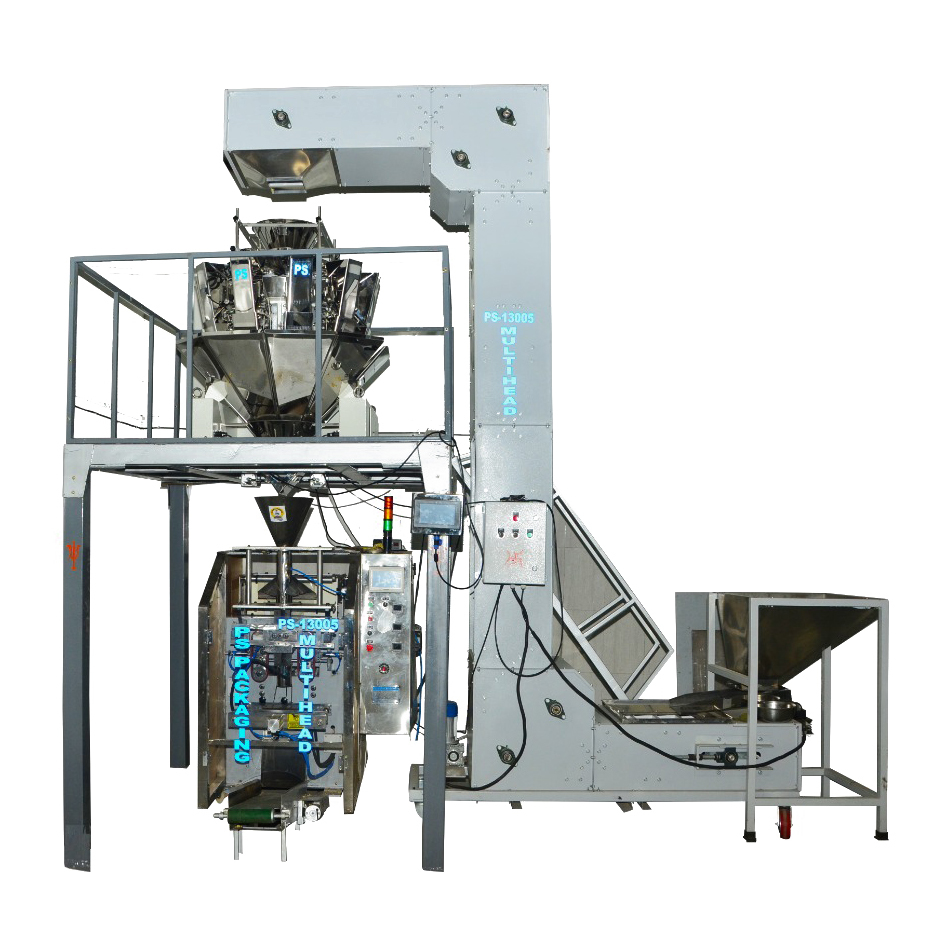 | Multihead Head Packing Machine Multihead Packing Machine The Multihead Packing Machine is a fully automatic, high-speed packaging solution designed for precise weighing, filling,... View product → |
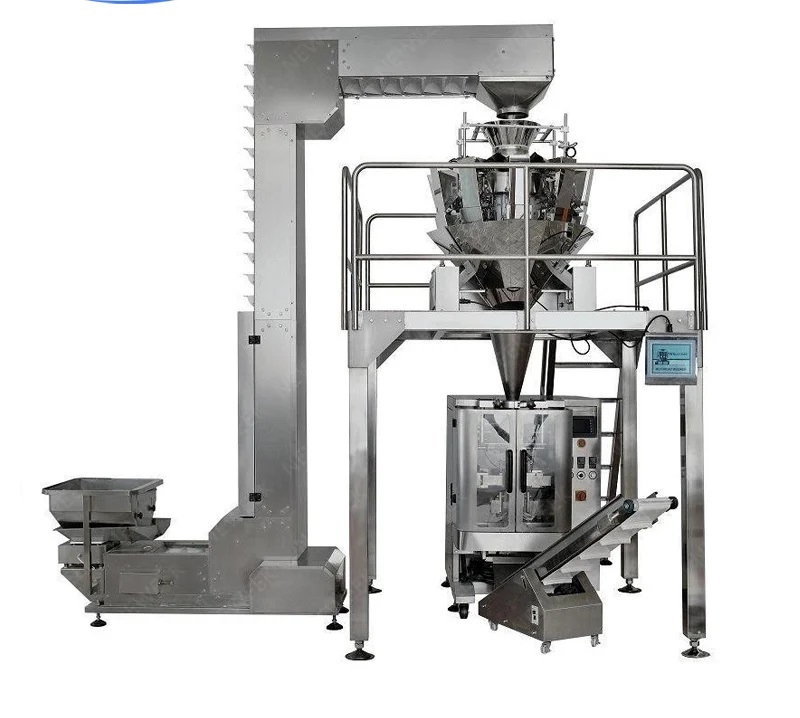 | Multihead Head Packing Machine Multi Head 10 Head Packing Machine Manufacturer & Supplier in Indore | PS Packaging Price: Get Best Price / Request a Quote MOQ: 1 Unit The Multi Head 10 Head Packing Machine from PS... View product → |
Frequently asked questions
Which filling method suits each type of rice?
Use volumetric cups for free-flowing rice with stable bulk density. Choose auger or controlled volumetric filling for products that bridge or vary in flow, and use net weighing when pack weight must remain accurate across changing rice density.
How do net and gross weighing affect rice accuracy and giveaway?
Net weighing measures rice before it enters the bag, making it easier to control declared weight and limit giveaway. Gross weighing fills the bag directly on the scale, which can simplify the layout but requires careful control of bag tare, vibration and settling.
What should you specify for pack sizes, speed and bag formats?
State every target pack size, rice variety, required packs per minute, acceptable weight tolerance, pouch or bag material, seal type and changeover frequency. These details determine the scale, filler, bagger and sealing configuration.
Which equipment and controls complete a reliable rice line?
Specify product hoppers, conveyors, weighing heads, dust control, bag feeding or form-fill-seal equipment, seal inspection, metal detection, checkweighing and controls that record faults, batch data and production counts.
How should Nagpur processors compare suppliers and calculate the real benefit?
Compare tested accuracy at your rice varieties and pack sizes, changeover time, cleaning access, service response, spare-parts availability and operator training. Add reduced giveaway, labour savings, uptime and rejected-pack costs to the purchase price.
Related products
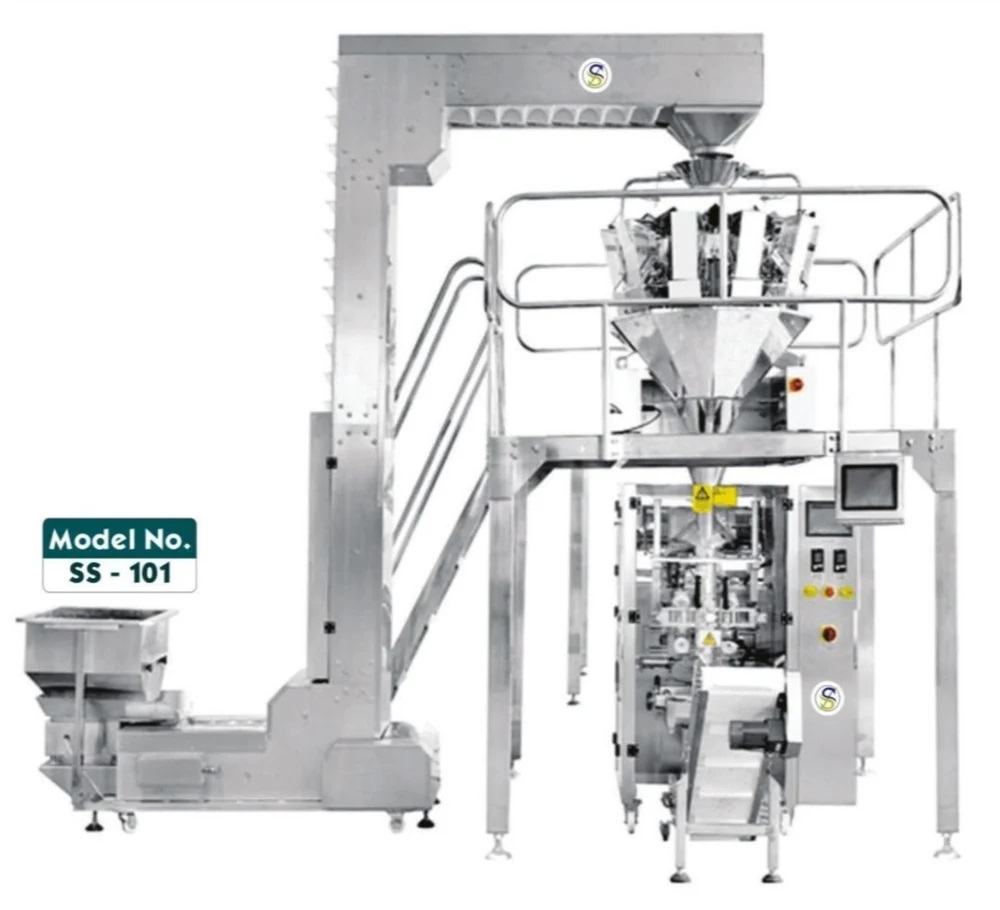 | Multihead Head Packing Machine Multi Head 14 Head Packing Machine Manufacturer & Supplier in Indore | PS Packaging Price: Get Best Price / Request a Quote MOQ: 1 Unit The Multi Head 14 Head Packing Machine from PS... View product → |
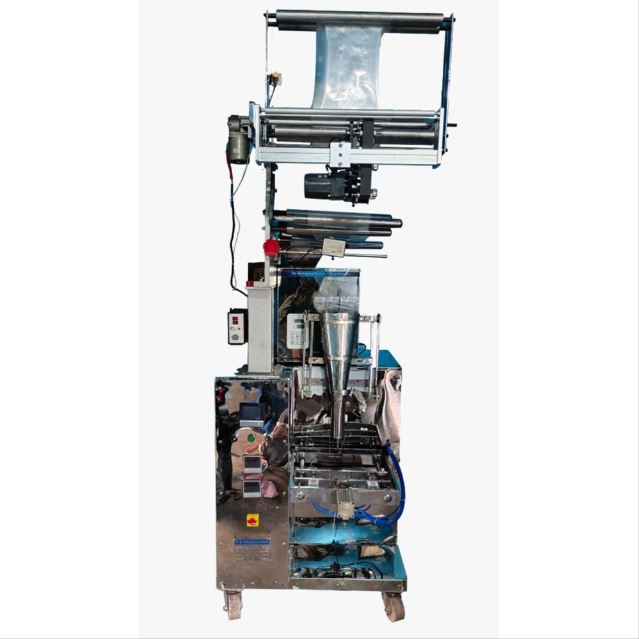 | Industrial Packaging Machine Manufacturer & Supplier in Indore | PS Packaging The Single Head Packing Machine from PS Packaging, Indore, Madhya Pradesh is a durable and efficient... View product → |