
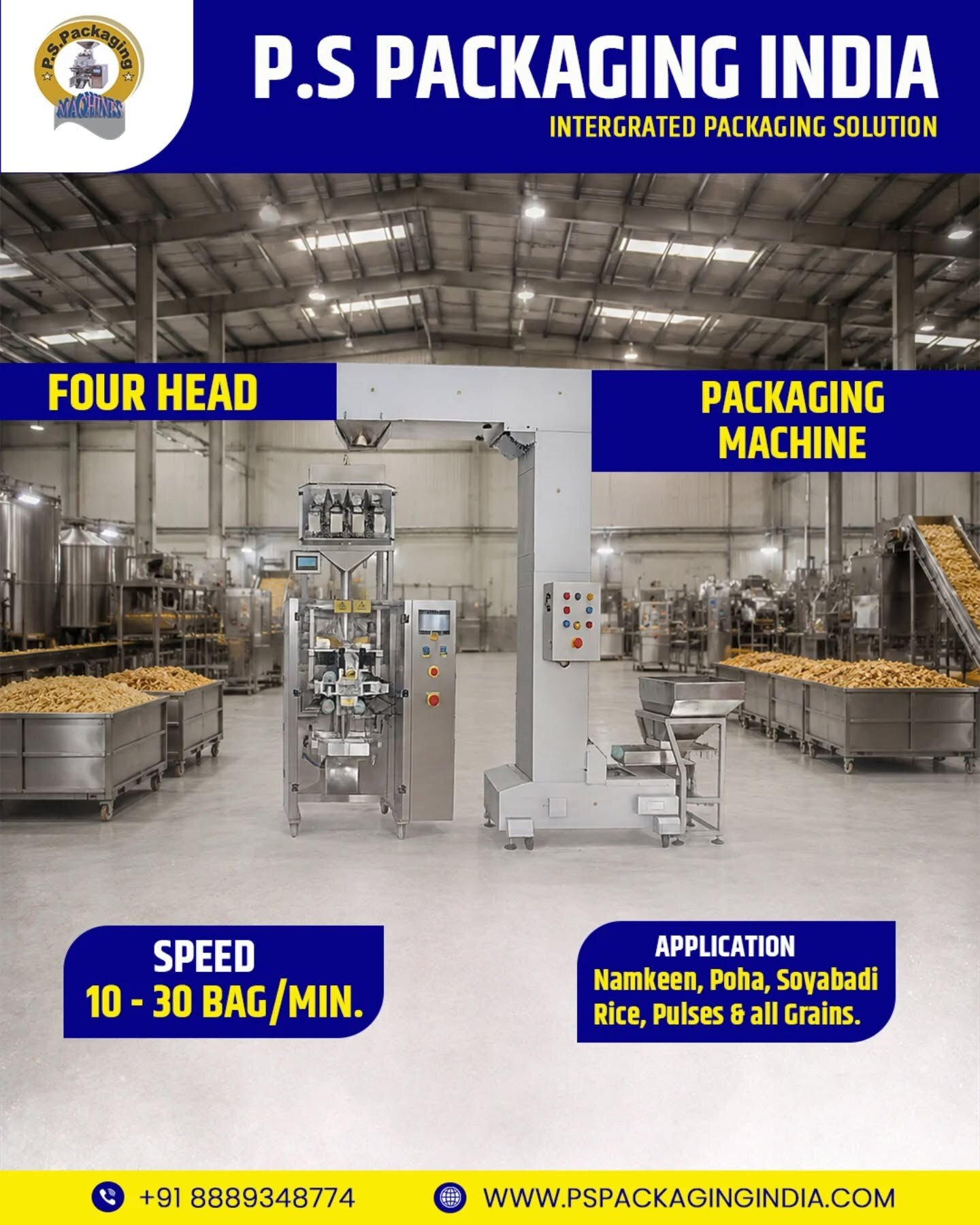
Wafer packing is not only a speed decision: fragile product, crumbs, target-weight changes, film performance and usable output all determine whether automation improves your line. By the end, you will know how a multi-head system works, when a 10-head or 14-head configuration fits, what trial evidence to demand, and when another filling method is the better choice.
Key takeaways
- Check target weight accuracy across your smallest and largest wafer pack sizes.
- Run product trials to measure speed, giveaway, breakage and seal quality.
- Confirm the machine handles wafer fragility, humidity and Patna’s power conditions.
- Request installation, operator training, spare-parts and service commitments in writing.
How Multi-Head Weighing Improves Wafer Pack Production
Wafer pieces enter a distribution system, where controlled vibration spreads them across several weigh hoppers. The controller evaluates available hopper combinations and chooses the set whose total is closest to the programmed target weight.
1. Feed wafers into the central distribution cone and across the radial feeders. Adjust vibration to maintain an even supply without creating excess breakage or crumbs.
2. Fill the weigh hoppers in parallel. The controller calculates combinations from their measured weights instead of waiting for one hopper to reach the target.
3. Discharge the selected hoppers into the formed pouch. A short, low-drop path helps limit wafer fracture during transfer.
4. Allow the product to settle before the vertical form-fill-seal machine closes the pack. Correct discharge timing prevents wafers from entering the seal area.
5. Form the longitudinal and cross seals, inspect or reject the pack when required, and discharge acceptable packs to the next station.
Parallel weighing is faster and more adaptable than a single-head machine, particularly when target weights change between snack SKUs. Stored recipes can retain weight targets and feeder settings, reducing adjustment time.
The trade-off is a larger footprint, higher capital cost, more cleaning points and greater dependence on feeder, weigher and VFFS timing. A headline weigher speed is not usable output: film changes, hopper refills, rejects, stoppages, cleaning and changeovers reduce sustained good packs per minute.
Reduced giveaway depends on product distribution, hopper geometry and calibration—not the multi-head design alone. Poorly distributed or broken wafers can erase its accuracy advantage.
Is a Multi-Head System Suitable for Your Wafer and Pack Size?
Free-flowing wafer pieces, bite-size wafers and mixed snack assortments suit multi-head weighing best. Large fragile bars, irregular pieces, sticky fillings and powder-heavy recipes can bridge, smear or form unstable portions instead. Test the actual product before choosing a wafer packing machine multi head in Patna.
Inspect controlled vibration, short transfer paths, low-drop chutes, suitable hopper geometry and smooth product-contact surfaces. Set feeder amplitude and speed low enough to limit fracture and crumbs; accessible hoppers and chutes also make dry cleaning practical.
| Option | Product suitability | Flexibility | Accuracy and speed | Labour |
|---|---|---|---|---|
| Multi-head weighing | Free-flowing pieces and assortments | High; change target weights by recipe | High, with stable distribution and calibration | Low direct labour |
| Single-head weighing | Small ranges and less demanding products | Moderate | Lower throughput; one portion at a time | Moderate |
| Volumetric cups | Uniform pieces with consistent density | Low | Fast but weight varies with density | Low |
| Auger filling | Powders and cohesive products | Moderate | Controlled dosing; unsuitable for fragile wafers | Low |
| Counting system | Uniform bars or pieces sold by count | Moderate | Accurate count, not weight | Low |
| Manual weighing | Irregular or delicate products | High | Slow and labour-dependent | High |
Choose 10 heads when target packs are lighter, supply rate is modest, space is tight and accuracy needs are routine. Choose 14 heads when heavier packs, wider wafer dimensions, higher line speed or tighter accuracy require more combinations, provided the feeder can keep every hopper supplied.
A multi head packing machine in Patna is the wrong fit for low-volume SKUs, specialised feeding, unstable power or too few trained operators; use a counting, linear-weighing or semi-automatic system instead.
What Machine Specifications and Trial Results Should You Compare?
A quotation for a packaging machine for food industry use must state the conditions behind every performance claim, not just a headline speed.
- Pack-weight range and weighing accuracy
- Maximum packs per minute and hopper volume
- Film width, compatible film structure and pouch dimensions
- Sealing format, electrical load and compressed-air requirement
Run the actual wafer recipe, piece dimensions, target weights, pouch sizes and film. Include the required nitrogen flow, dwell time and seal-temperature settings.
Record:
- Pack count, average weight, deviation, standard deviation, giveaway, underweight and overweight results
- Broken-wafer count, rejected-pack count, seal observations, leak-test and drop-test results
- Changeover duration, cleaning time and sustained good packs per minute
Compare the result against the buyer’s acceptance limits, not the supplier’s empty-machine demonstration.
| Measure | Headline claim | Acceptance result |
|---|---|---|
| Speed | Weigher maximum | Sustained good packs per minute after refills, rejects and settling |
| Accuracy | Average target weight | Standard deviation, giveaway, underweight and overweight packs |
| Integrity | Sealed pouch | No crumb channels, failed seals, leaks or drop-test failures |
A machine can handle wafers in principle yet miss your target because fragile pieces break in the feeder, crumbs enter the seal, or the bag former runs slower than the weigher.
Test the weigher, bag former, sealing jaws, coding equipment, reject system and downstream case packing as one line; otherwise a fast multi-head weigher can produce only a slow stream of saleable packs.
How Operating Cost, Food Safety and Patna Conditions Affect the Benefit
Payback depends on usable packs, not the weigher’s headline speed. Measure film waste, overweight giveaway, labour, electricity, compressed air, preventive maintenance, spare parts, downtime and cleaning labour. A packaging machine for FMCG products earns its cost only when lower giveaway and direct labour outweigh these running expenses.
Plan each shift around these controls:
- Check load cells and verify sensors.
- Clean hoppers and chutes; remove wafer dust with dry-cleaning tools.
- Confirm film alignment and inspect longitudinal and cross sealing jaws.
- Keep product-contact areas accessible, including dry-cleaning access around drives, sensors and seals.
Crumbs trapped in either seal can create leaks. Inspect seal integrity, checkweigher readings and reject operation, then verify date and batch coding on production packs. Control allergen changeovers, and retain supplier declarations for food-contact film, inks, adhesives and seal layers.
Store recipes with password control and auditability so target weight, feeder settings, timing, film parameters and reject limits cannot change accidentally; verify Legal Metrology declarations for every repeated FMCG SKU.
Nitrogen lowers headspace oxygen but does not replace a moisture-barrier film or hermetic seal. Measure residual oxygen and inspect leaks. Patna’s seasonal humidity makes measured water-vapour transmission rate and expected distribution life more useful than film thickness alone, because moisture can soften a correctly weighed wafer.
Specify cleaning time, changeover labour and downtime in the payback calculation; wafer dust turns inaccessible drives and seals into recurring maintenance costs.
How to Specify, Install and Support a Multi-Head Line in Patna
Send the supplier a complete production brief, not just “wafer packing machine.” For a multi-head packing machine in Patna, specify wafer type and recipe, piece dimensions, target weight, pouch size, daily output, working hours, film structure, nitrogen requirement, coding and inspection equipment, available power and compressed air, floor space, access route and installation constraints.
Include fragile varieties and expected breakage.
Before ordering, require a site survey. Check the transport path, door and ceiling dimensions, drainage or dry-cleaning arrangements, operator position, electrical stability, earthing, ventilation, and space for film storage and maintenance. Wafer dust needs accessible hoppers, chutes, sensors, drives and sealing components; poor access turns every cleaning cycle into downtime.
Ask whether the supplier provides local installation, operator training, preventive-maintenance schedules, stocked spare parts, defined service response times and calibration support. A supplier such as PS PACKAGING should assess your actual wafers and document acceptance criteria, rather than rely on a generic high-speed claim for a packaging machine for food industry.
- Compare measured average weight, standard deviation, giveaway, broken-wafer percentage, seal defects, rejected packs and sustained good packs per minute.
- Confirm nitrogen settings, film performance, coding, inspection and reject functions in one line trial.
- Record changeover, cleaning and maintenance time, not only nominal speed.
- Check recipe access, password control, auditability and legal target-weight protection.
- Choose the line only when output, accuracy, access, support and total ownership effort meet your written criteria.
Related products
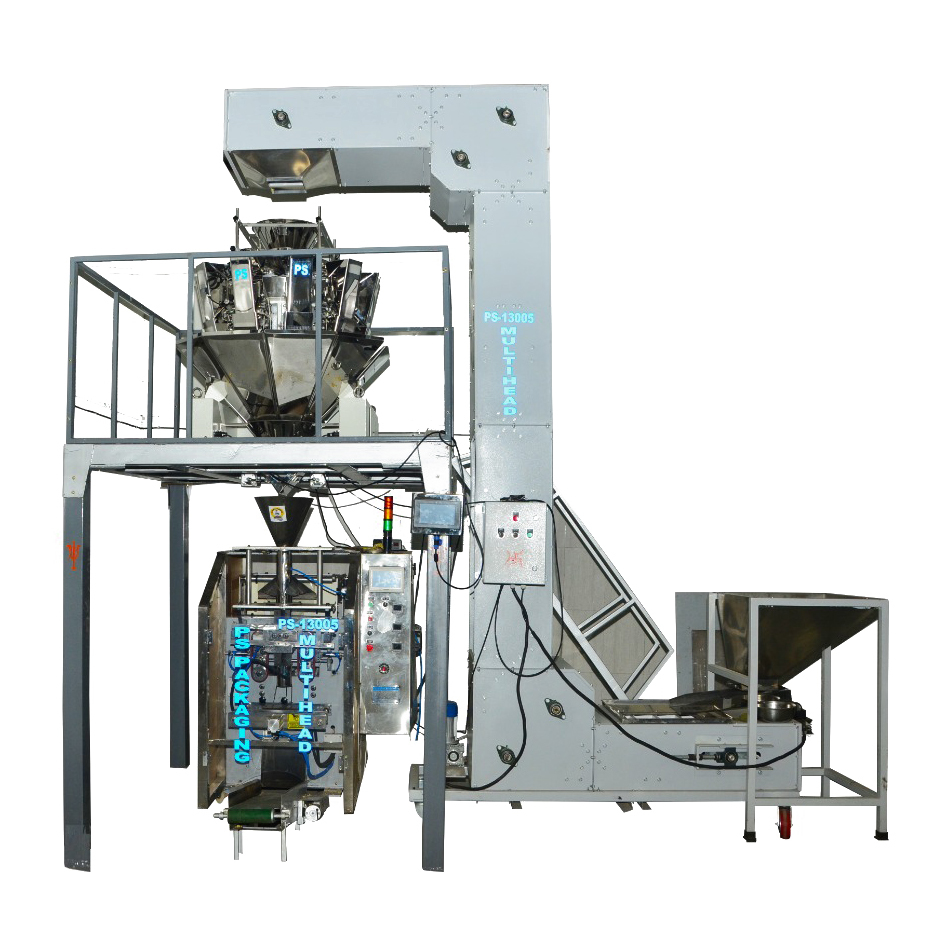 | Multihead Head Packing Machine Multihead Packing Machine The Multihead Packing Machine is a fully automatic, high-speed packaging solution designed for precise weighing, filling,... View product → |
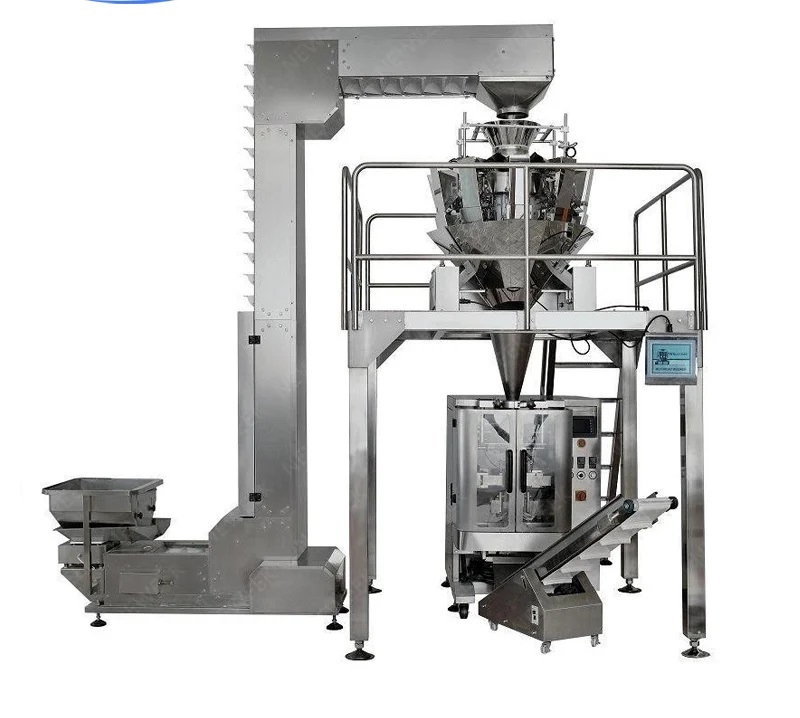 | Multihead Head Packing Machine Multi Head 10 Head Packing Machine Manufacturer & Supplier in Indore | PS Packaging Price: Get Best Price / Request a Quote MOQ: 1 Unit The Multi Head 10 Head Packing Machine from PS... View product → |
Frequently asked questions
How does multi-head weighing improve wafer pack production?
It combines several hopper weights to reach the target more accurately, reducing manual weighing and product giveaway while supporting faster packing.
Is a multi-head system suitable for every wafer and pack size?
Choose it after testing wafer dimensions, fragility, target weights, hopper capacity, film width and the required pack format across your full product range.
What trial results should you compare before buying?
Compare achieved weight, weighing speed, giveaway, wafer breakage, rejected seals, film use and changeover time for each product and pack size.
How do operating costs and Patna conditions affect the benefit?
Include electricity, compressed air, film, cleaning, maintenance and spare parts, then verify voltage protection, humidity control, service response and operator training.
What should you specify for installation and support in Patna?
Document product samples, target weights, pack dimensions, output, contact parts, utilities, factory layout, commissioning tests, training and after-sales support.
Related product
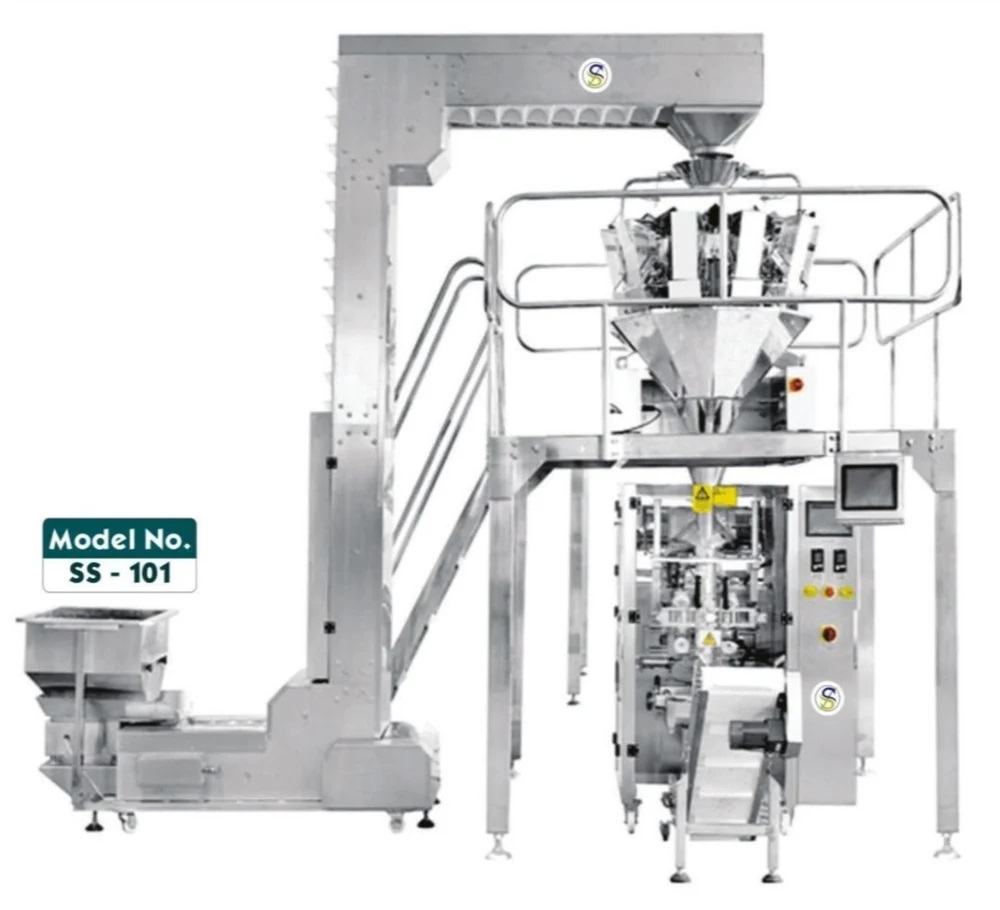 | Multihead Head Packing Machine Multi Head 14 Head Packing Machine Manufacturer & Supplier in Indore | PS Packaging Price: Get Best Price / Request a Quote MOQ: 1 Unit The Multi Head 14 Head Packing Machine from PS... View product → |